

July 22, 2026
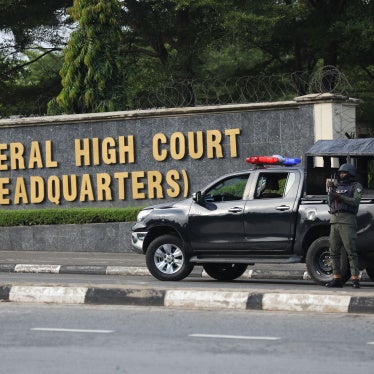
Nigeria: Boko Haram Trials Ineffective, Flawed
Prioritize Serious International Crimes, Ensure Credible Trials
Violent acts by non-state groups against the general population for political purposes are abhorrent crimes that, when widespread or systematic, can amount to crimes against humanity. Human Rights Watch condemns such acts. Governments have a responsibility to protect those within their jurisdiction from extremist attacks, but must ensure that all counterterrorism measures respect human rights. Human Rights Watch monitors actions by governments and inter-governmental bodies against violent extremism to ensure they do not infringe on the rights to life, to protection from torture and ill-treatment, and to a fair trial. We also condemn governments for targeting minorities or stifling the rights to free expression, association and peaceful assembly in the name of security. Such measures are not only unlawful under international law, they are also counter-productive.

Prioritize Serious International Crimes, Ensure Credible Trials
Armed Forces, Militia Kill Over 130 Civilians; Reprisal Killings by Islamist Armed Group

How Kazakhstan’s Financing Terrorism List Compounds Human Rights Harms

Release Detainees; End Arbitrary Arrests and Enforced Disappearances

Armed Forces, Militia Kill Over 130 Civilians; Reprisal Killings by Islamist Armed Group
New Government Should Bring Children and Other Detainees Home
Still No Accountability for US Military Abuses During ‘Global War on Terror’

Release Detainees; End Arbitrary Arrests and Enforced Disappearances
Provide Accountability, Improve Protection for Civilians

Boys Forcibly Separated from Mother Highlights Health Concerns
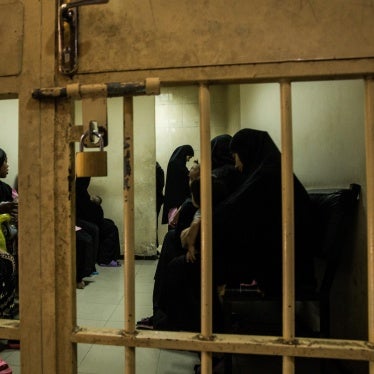

Undertake Prompt, Independent Inquiry with AU, UN Assistance

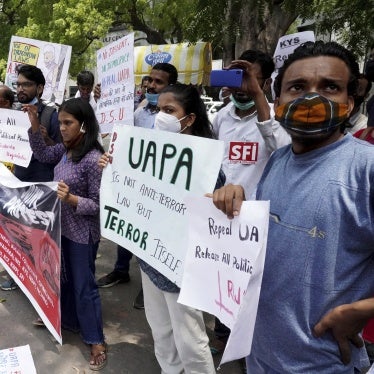
Drop Baseless Charges; End Politically Motivated Use of Counterterrorism Law
Authorities Should Condemn, Punish Not Condone Ill-Treatment