

May 27, 2026
“Casting Us Aside to Die”
Cuban and Other Third-Country Nationals Deported from the US to Mexico
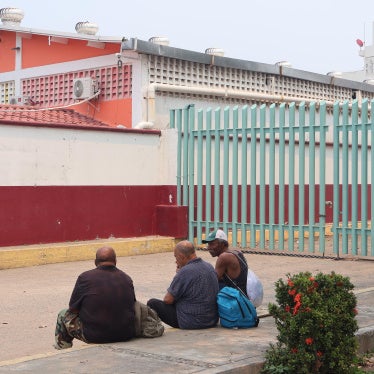
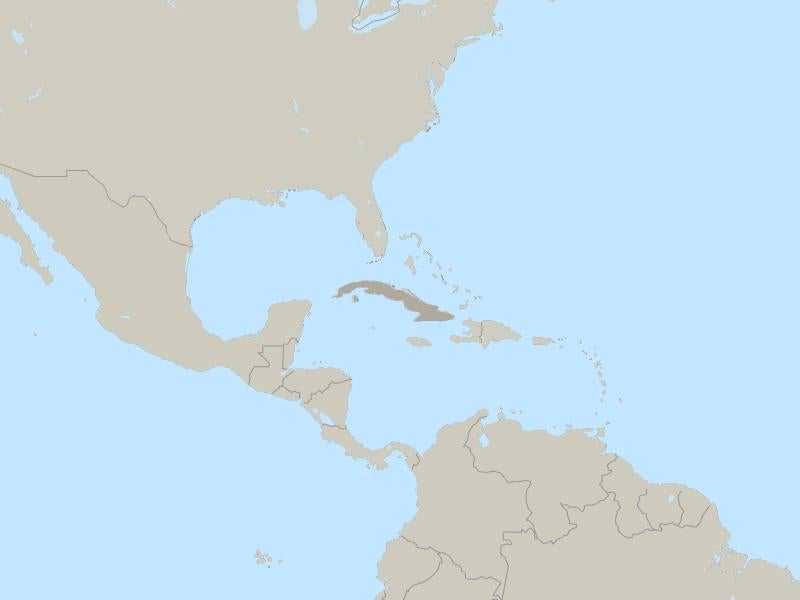
The Cuban government continues to repress dissent and deter public criticism. It routinely relies on long and short-term arbitrary detention to harass and intimidate critics, independent activists, artists, protesters, and others. Hundreds of government critics remain behind bars, including many who participated in the landmark July 2021 demonstrations. The US embargo continues to provide the Cuban government with an excuse for its problems, a pretext for its abuses, and a way to garner sympathy abroad with governments that might otherwise have been willing to condemn the country’s repressive practices more vocally.
Cuban and Other Third-Country Nationals Deported from the US to Mexico
4 Years After Landmark Protests, Hundreds Remain Behind Bars


Arbitrary Detention, Ill-Treatment, Abusive Trials Affect Hundreds
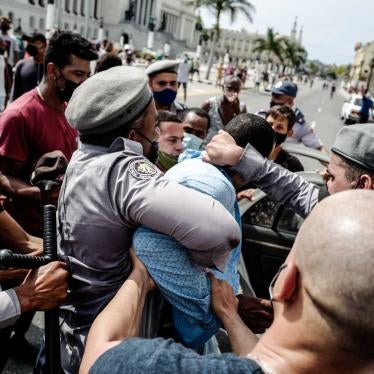
The Government Should Unconditionally Free Those Jailed for Dissent
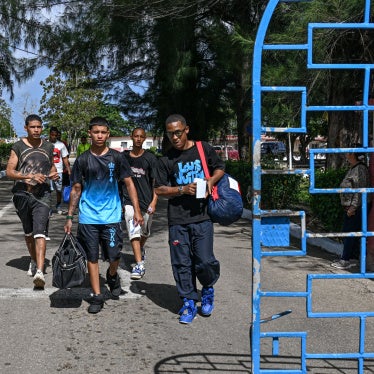
4 Years After Landmark Protests, Hundreds Remain Behind Bars

Cuba, Burundi Also Fail to Meet Human Rights Council Membership Standards


Hundreds Still Held; Thousands Forced to Flee