
• Nov 3, 2011
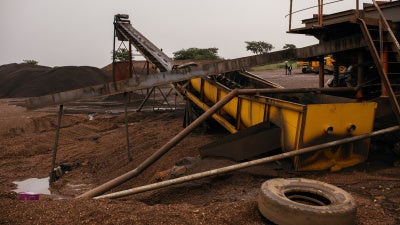
    Chinese-run copper mining companies in Zambia routinely flout labor laws and regulations designed to protect workers’ safety and the right to organize. Zambia’s newly elected president, Michael Sata, a longtime critic of the Chinese labor practices, should act on his campaign promises to end the abuse and improve government regulation of the mining industry to ensure that all companies respect Zambia’s labor laws.
  • Dec 13, 2010
    The Zambian government should make clear that President Omar al-Bashir of Sudan will be arrested if he travels to Zambia. News reports indicate that al-Bashir may attend the special summit of the International Conference on the Great Lakes Region to be held on December 15, 2010, in Lusaka.

Reports

Zambia

  • Nov 21, 2011
    “If someone dies, he can be replaced tomorrow, and if you report the problem, you’ll lose your job.” This, in the words of a Zambian copper miner, describes the downside of the growing investment of Chinese companies in Africa over the last decade.
  • Nov 3, 2011
    Chinese-run copper mining companies in Zambia routinely flout labor laws and regulations designed to protect workers’ safety and the right to organize. Zambia’s newly elected president, Michael Sata, a longtime critic of the Chinese labor practices, should act on his campaign promises to end the abuse and improve government regulation of the mining industry to ensure that all companies respect Zambia’s labor laws.
  • Jun 22, 2011
    The healthcare needs and general experience of women in detention in sub-Saharan Africa are rarely studied and poorly understood. A mixed-methods study was conducted including in-depth interviews with 38 adult female prisoners and 21 prison officers in four Zambian prisons to assess the health and human rights concerns of female detainees. Key informant interviews with 46 officials from government and non-governmental organizations and a legal and policy review were also conducted.
  • Dec 13, 2010
    The Zambian government should make clear that President Omar al-Bashir of Sudan will be arrested if he travels to Zambia. News reports indicate that al-Bashir may attend the special summit of the International Conference on the Great Lakes Region to be held on December 15, 2010, in Lusaka.
  • Dec 13, 2010
    African civil society organizations and international organizations with a presence in Africa are seriously concerned over reports of a possible visit to Zambia by Sudanese President Omar al-Bashir—sought by the International Criminal Court on charges of crimes committed in Darfur—to attend the Special Summit of the International Conference on the Great Lakes Region to be held on December 15 in Lusaka.
  • Dec 11, 2010
    Many governments’ immigration policies and protection gaps expose migrants to abuse, Human Rights Watch said in a report today in advance of International Migrants Day, December 18, 2010. The abuses include labor exploitation, violence, trafficking, mistreatment in detention, and killings, yet the nations involved offer limited recourse to seek justice.
  • Dec 1, 2010
    On World AIDS Day 2010, Zambia is ahead of much of the world on the universal access, but its track record in respecting human rights in the response to AIDS is more uncertain.
  • Sep 6, 2010
    The Zambian police routinely engage in cruel, inhuman, and degrading treatment, including torture, to extract confessions. The government should investigate, discipline those found to be implicated, and train officers to interrogate suspects without coercion.
  • Jul 23, 2010
    HIV prevalence in Southern African prisons has been estimated to be between 2 and 50 times that outside of prisons. In Zambia, it was last measured at 27 percent, almost double the prevalence of adults in Zambia overall. The combination of high HIV and TB prevalence in prisons can be deadly: Worldwide, TB is responsible for nearly one in four deaths from AIDS.
  • Jul 14, 2010
    Since 2005, the government of Zambia has made an impressive commitment to providing HIV treatment free to all who need it. But five years later and decades into the HIV crisis, prisoners — a vulnerable group in the spread of HIV — remain neglected in HIV testing and treatment efforts.