

![]() |
||||||||||||
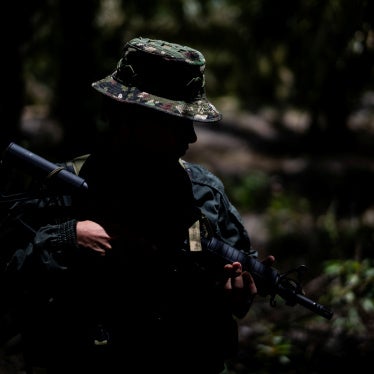
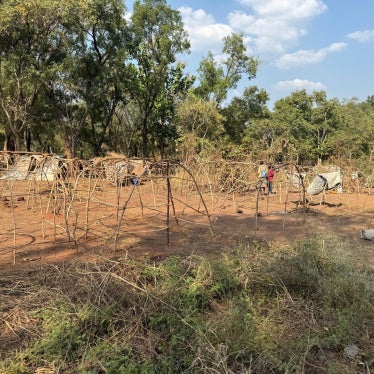
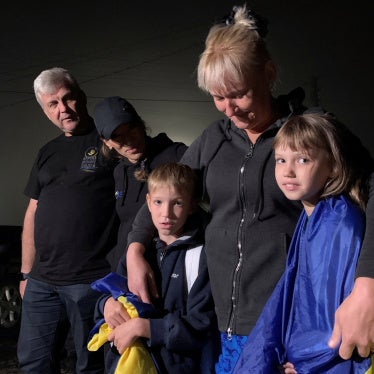
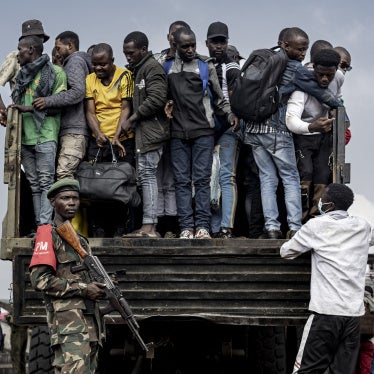
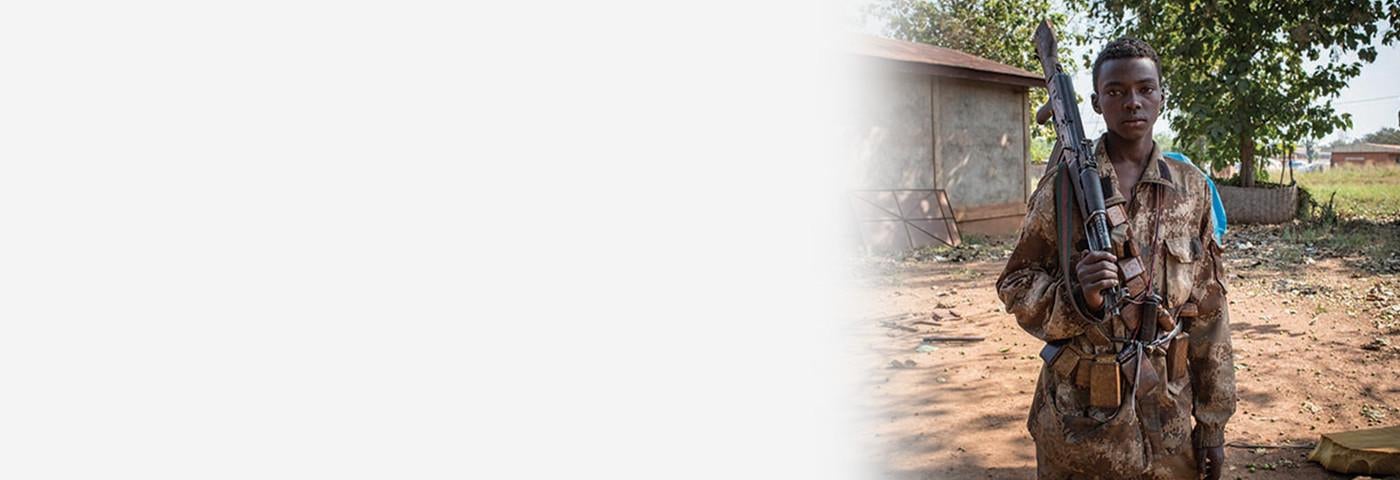
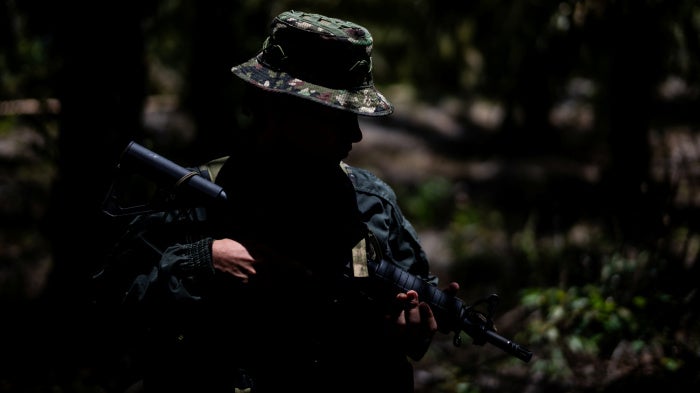
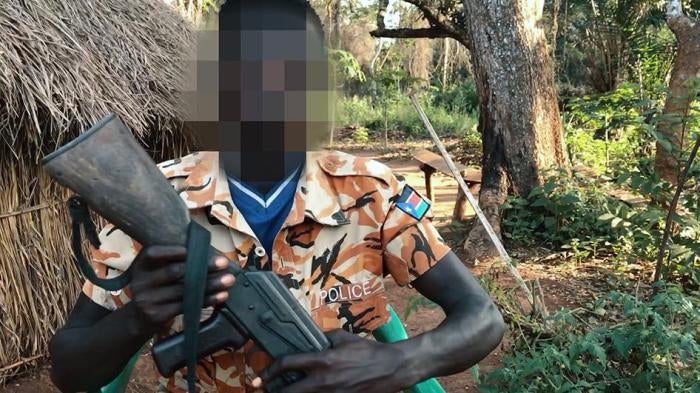
| Refugee children suffer a form of double jeopardy. A denial of their human rights made them refugees in the first place; and as child refugees they are also frequently abused, as the most vulnerable category of an already vulnerable population. Dennis McNamara, former director, Division of International Protection, United Nations High Commissioner for Refugees Refugee children are among the most vulnerable children in the world. Not only have they suffered from war or other forms of persecution in their countries of origin which forced them to flee their homes, but many refugee children continue to suffer human rights abuses in countries of asylum. More than half of the worlds refugee population are children, yet their rights and special protection needs as children are frequently neglected. The human rights abuses that drive children into flight are only the first chapter of hardship for many refugee children. Even after traveling across an international border to seek refuge, they remain vulnerable to hazardous labor exploitation, physical abuse, denial of education, sexual violence and exploitation, cross-border attacks, militarization of refugee camps, and recruitment as child soldiers. Article 22 of the Convention on the Rights of the Child grants special protection to refugee children. Refugee children who are not being cared for by their parents are entitled to further protections. Refugee children fleeing war are also entitled to special protection under article 38 of the convention, as children affected by armed conflict. Like all children, they are also entitled to all other rights granted under the convention including the rights to life, physical integrity, adequate food and medical care, education, and to be free from discrimination, exploitation, and abuse. Separated children are particularly vulnerable. In the United States, Human Rights Watch found that unaccompanied children have been detained by the U.S. Immigration and Naturalization Service in detention facilities, where they may be confined for lengthy periods of time before being released to family members or appropriate guardians. Rarely understanding what was happening to them, children were often denied information about their detention and their right to be represented by an attorney in immigration proceedings in a language they understood. In some cases they were housed with juvenile offenders and subjected to a rigid and punitive environment. In refugee camps in Guinea, Human Rights Watch found that Sierra Leonean girls as young as twelve may feel they have no choice but to work as child prostitutes in order to support themselves and, in some cases, their families. In addition, these girls have little or no access to education or health care. Refugee children who live in dangerously located camps, frequently short distances from the border of their home country with a civil war just on the other side, are also vulnerable to cross-border armed raids, which can result in murder, mutilation, and abduction. Refugee children are also at risk of being recruited and used as child soldiers. In Guinea, Sierra Leonean refugee children as young as seven risked being abducted by raiding rebel forces or being used by the government civil defense forces, known as Kamajors. Many of these protection concerns, particularly various forms of hazardous labor exploitation such as child prostitution and child soldiering, are directly linked to a lack of food security. Despite the obvious safety risks involved, families sometimes send children back into the land they fled to forage for food. Human Rights Watch has interviewed Sierra Leonean refugee children in Guinea who encountered rebels while searching for food, resulting in abduction, mutilation, or even the murder of others with them. Special care and monitoring of separated refugee children is also needed, as they are particularly vulnerable to abuse. Separated refugee children are sometimes taken in by families along the way, while fleeing, or in refugee camps. While fostering of separated refugee children by families is welcome and needed, and preferable to placement in institutions, the care and delivery of assistance to these children must also be carefully monitored so that separated children may be traced and reunited with their families, and so that if cases of neglect and abuse arise, effective interventions can occur quickly. While many are well cared for by their foster families, others might be neglected, physically or sexually abused, denied food, denied education, or exploited for hazardous forms of labor. Despite the facts that refugee children have already suffered enormously and that they remain extremely vulnerable, their plight has largely been ignored by the international community. The United Nations High Commissioner for Refugees (UNHCR), which is the primary actor responsible for the assistance and protection of refugee children, has used the Convention on the Rights of the Child as the basis for extensive policies and guidelines to protect refugee children. However, in cases such as Guinea, these policies are not implemented. UNHCR also faces substantial political, financial, and logistical challenges in protecting the human rights of refugee children. The focus of international attention on recent refugee crises in Europe, as well as donor fatigue with respect to refugees in other parts of the world, have served to limit resources available for most refugee children. |
||||||||||||
|
||||||||||||
|
||||||||||||