

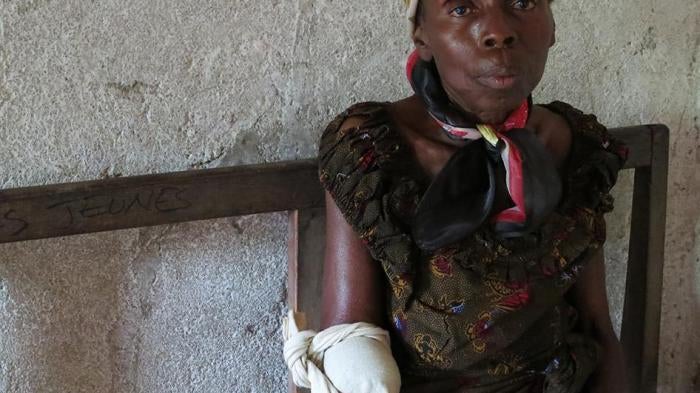
When they brought me here, it was in a taxi. I kept looking around, wondering what kind of work was going on in this area of this big city. Everywhere I looked, I saw curtained doorways and rooms. Men would go and come through these curtained entrances. People on the street would be calling out, “Two rupees, two rupees.” I asked the other Nepali women if these were offices; it seemed the logical explanation. In two days I knew everything. I cried.

Tara N., a Nepali woman who was trafficked into India at sixteen.


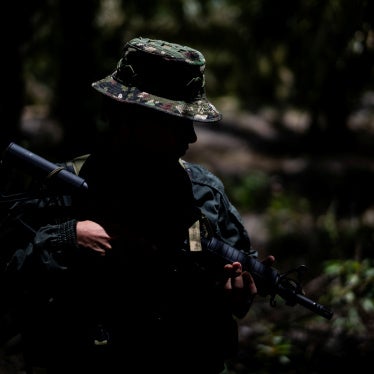
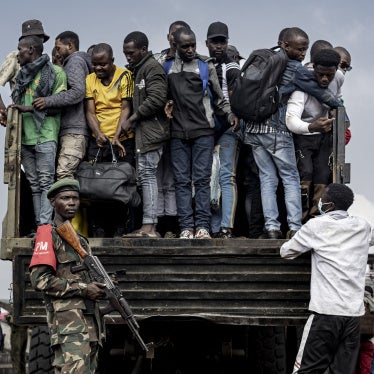
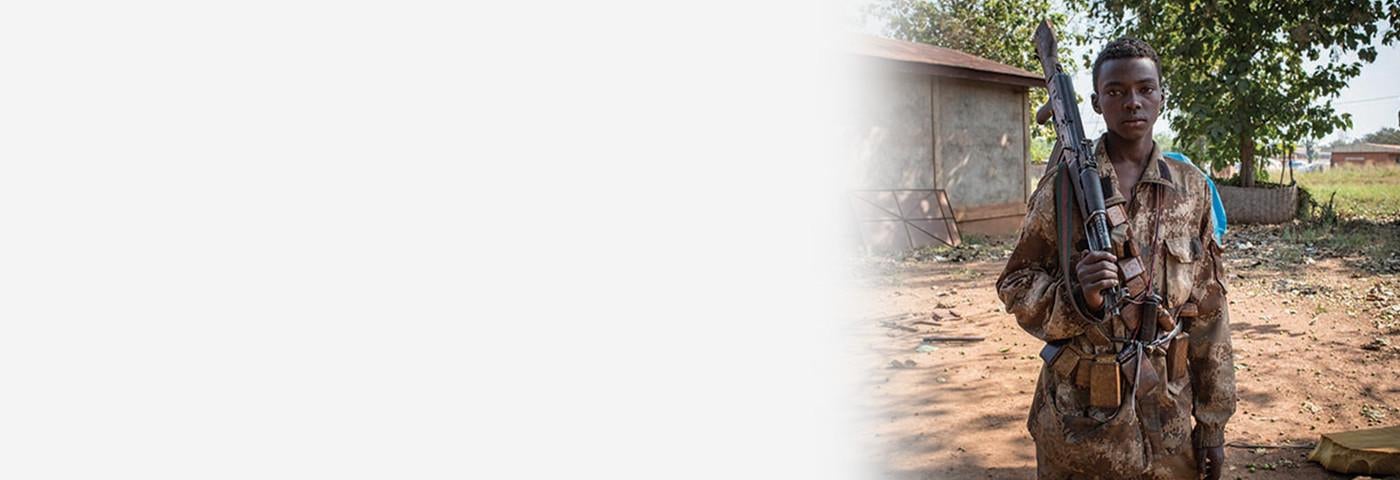
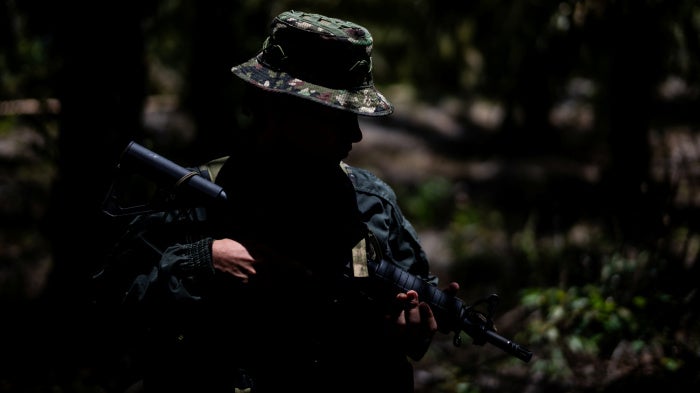
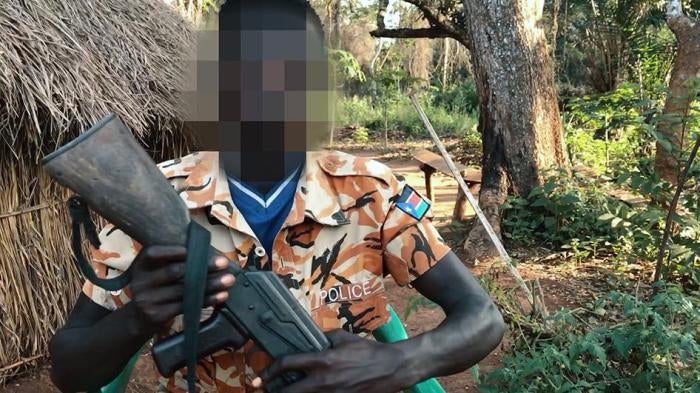
Children around the world are sexually abused and exploited in ways that can cause permanent physical and psychological harm. In some cases, police demand sexual services from street children, threatening them with arrest if they do not comply. In detention and correctional facilities children may be sexually abused by staff or are not protected from sexual abuse by other inmates. In refugee camps many children are exploited by adults or sometimes forced to sell their bodies for food. Children in orphanages may be abused by staff members or other children. In conflict areas children are kidnaped to serve as child soldiers and also as sexual servants for adult soldiers. Children working as domestics may be assaulted or raped by employers.

This grim picture is compounded by the use of children as prostitutes in countries throughout the world. An unknown but very large number of children are used for commercial sexual purposes every year, often ending up with their health destroyed, victims of HIV/AIDS and other sexually transmitted diseases. Younger and younger children are sought with the expectation that clients will not be exposed to HIV. Prostituted children can be raped, beaten, sodomized, emotionally abused, tortured, and even killed by pimps, brothel owners, and customers. Some have been trafficked from one country to another; both boys and girls are trafficked. Moreover, child prostitutes are frequently treated as criminals by law enforcement and judicial authorities, rather than as children who are victims of sexual exploitation.

Articles 34 and 35 of the Convention on the Rights of the Child forbid sexual exploitation or trafficking of children, and the Committee on the Rights of the Child has devoted time and efforts to the issue, urging governments to crack down on the practice. Other international instruments in human rights, humanitarian law, refugee law, and labor standards protect children against sexual exploitation. In addition, a U.N. special rapporteur on the sale of children, child prostitution and child pornography investigates these issues.

A good deal of international attention has been focused on sexual exploitation and trafficking, particularly on the practice of sex tourism, which is a relatively small part of the problem. A World Congress against Commercial Sexual Exploitation of Children was held in Stockholm in 1996, attended by representatives of governments, U.N. bodies, and nongovernmental organizations, from 125 countries. The congress issued a strong declaration against commercial sexual exploitation of children and an agenda for action; an international focal point on sexual exploitation of children was established in Geneva to coordinate reform efforts. A number of governments and NGOs are continuing their efforts to attack the problem. But vast numbers of children are still trapped in this life-threatening sex trade.

Human Rights Watch has investigated the trafficking of women and girls from Burma to Thailand and from Nepal to India. In 1993 we found that many girls were among the thousands of Burmese trafficked into Thai brothels every year. They worked in conditions tantamount to slavery. Subject to debt bondage, illegal confinement, various forms of sexual and physical abuse, and exposure to HIV in brothels, they then faced arrest as illegal immigrants if they tried to escape or if the brothels were raided by Thai police. Once arrested, the girls were sometimes subjected to further sexual abuse in Thai detention centers. They were then taken to the Thai-Burmese border where they were often lured back into prostitution by brothel agents who played on their fear of arrest on return to Burma. Thai police and border patrol officials were involved in both the trafficking and the brothel operations, but they routinely escaped punishment as do, for the most part, brothel agents, pimps and clients.

In 1995 we looked into the trafficking of Nepali women and girls to brothels in India. The victims of this international trafficking network routinely suffered serious physical abuse, including rape, beatings, arbitrary imprisonment and exposure to HIV/AIDS. Held in debt bondage for years at a time, girls worked under constant surveillance. Escape was virtually impossible. Both the Indian and Nepali governments were complicit in the abuses. Police and officials in India protected brothel owners and traffickers in return for bribes; Nepali border police accepted bribes to allow trafficking. Even when traffickers were identified, few arrests and even fewer prosecutions resulted.

The international community, both governments and nongovernmental groups, must make every effort to end these abuses. In some cases new laws are required; in others the political will must be mobilized to implement existing legislation and prosecute those involved in sexually abusing and exploiting these vulnerable children.
Introduction
The Use of Children as Soldiers
The International Criminal Court
Refugee Children
Police Abuse and Arbitrary Detention of Street Children
Children in Conflict with the Law
Orphans and Abandoned Children
Child Labor
Sexual Abuse and Exploitation
Education
Conclusion
Convention on the Rights of the Child
Related Publications
Focal Point against Sexual Exploitation of Children
ECPAT (End Child Prostitution, Child Pornography and Trafficking in Children for Sexual Purposes)
1) Governments must implement the Stockholm Agenda for Action to which they agreed during the World Congress against Commercial Sexual Exploitation, and prosecute those who abuse and sexually exploit children, or profit from the practice.

2) Children engaged in prostitution must be treated as victims of sexual exploitation, violence, and forced labor, and not as criminals. Governments and aid groups should support quality rehabilitation and recovery programs for children who leave the sex trade, which include psychological counseling, health care, education and vocational training, and shelter, as appropriate.

3) Governments must develop prevention programs that will raise public awareness and encourage actions that protect children.


HRW Home Page