




August 24, 2026
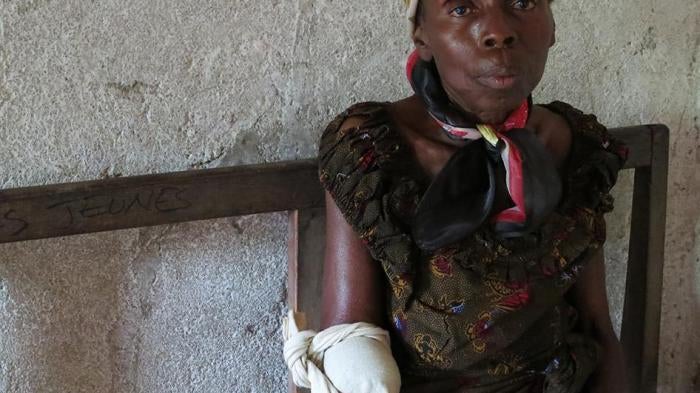
“I Thought I’d Never See My Mom Again”
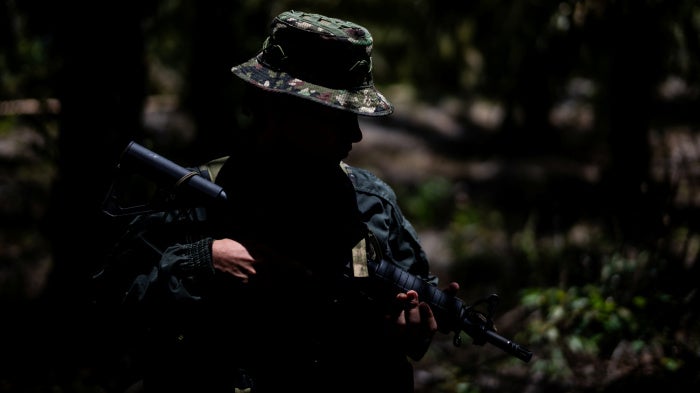
Recruitment and Use of Children by Colombian Armed Groups
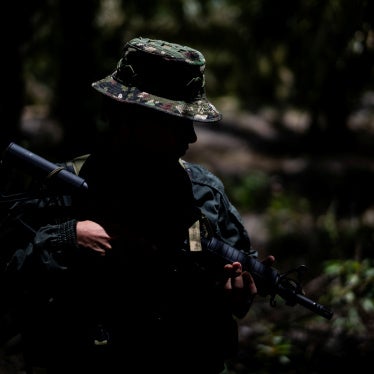
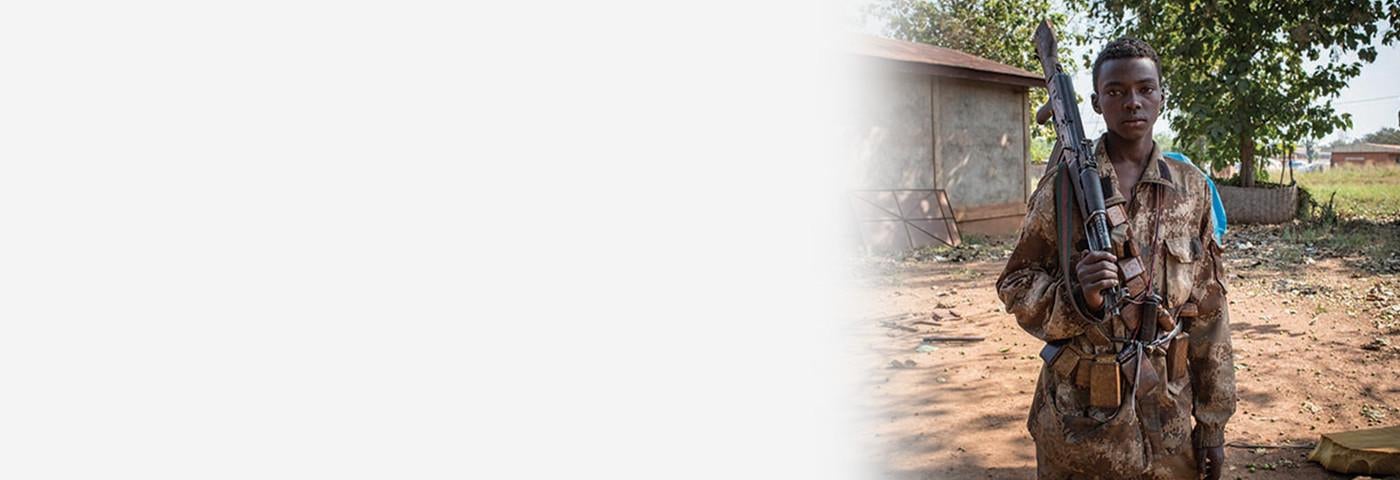
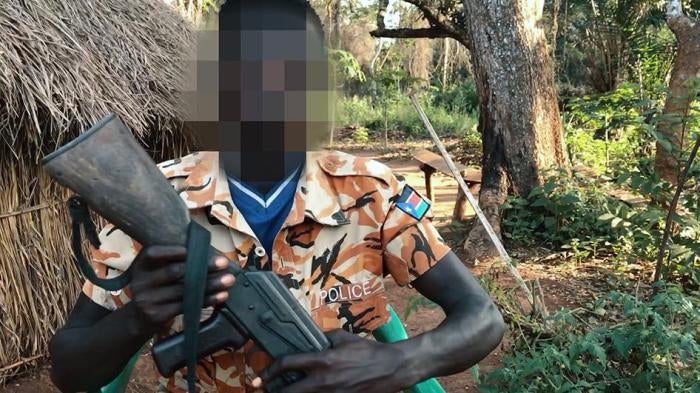
Thousands of children are serving as soldiers in armed conflicts around the world or are currently detained as national security threats, often for alleged association with so-called “terrorist” or violent extremist groups. These boys and girls, some as young as 8 years old, serve in government forces and armed opposition groups. They may fight on the front lines, participate in suicide missions, and act as spies, messengers, or lookouts. Girls may be forced into sexual slavery. Many are abducted or recruited by force, while others join out of desperation, believing that armed groups offer their best chance for survival. We are working to prevent the use of child soldiers and to hold accountable the people who send children to fight.
Recruitment and Use of Children by Colombian Armed Groups
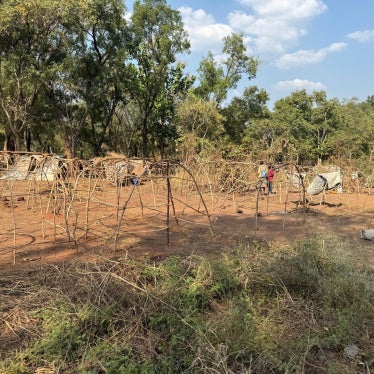
Many Fled Attacks by Government Forces, Allies in Nagero County
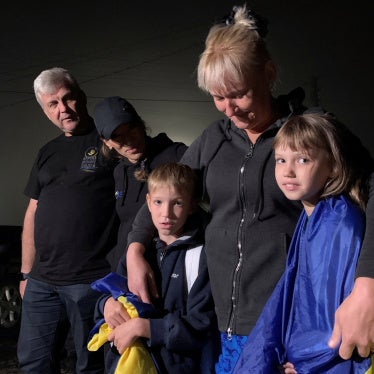
Systematic Effort in Occupied Territory to Erase Ukrainian Identity
Arbitrary Detention, Killings, and Forced Recruitment by the M23 and the Rwanda Defence Force
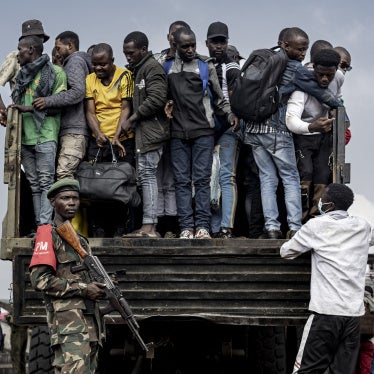
9 Civilians Killed, Homes Burned in Islamist Armed Group-Held Village

Women in Labor, Children Among Patients Harmed
Apparent Indiscriminate Attack in Village Held by Islamist Armed Group
Many Fled Attacks by Government Forces, Allies in Nagero County
Systematic Effort in Occupied Territory to Erase Ukrainian Identity

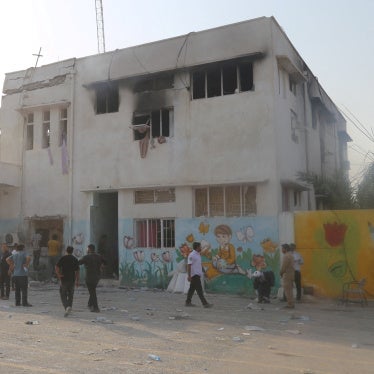
Proposed Crimes Against Humanity Treaty Should Criminalize Child Recruitment

Use of Outdated Intelligence Shows Failure to Take All Feasible Precautions