June 18, 2019
“I Felt Like the World Was Falling Down on Me”
Adolescent Girls’ Sexual and Reproductive Health and Rights in the Dominican Republic
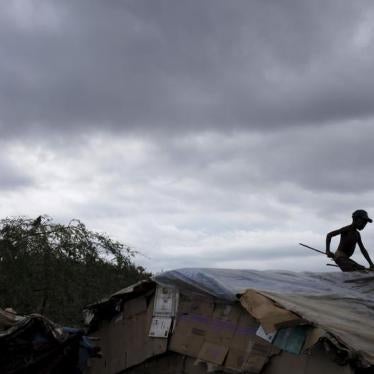
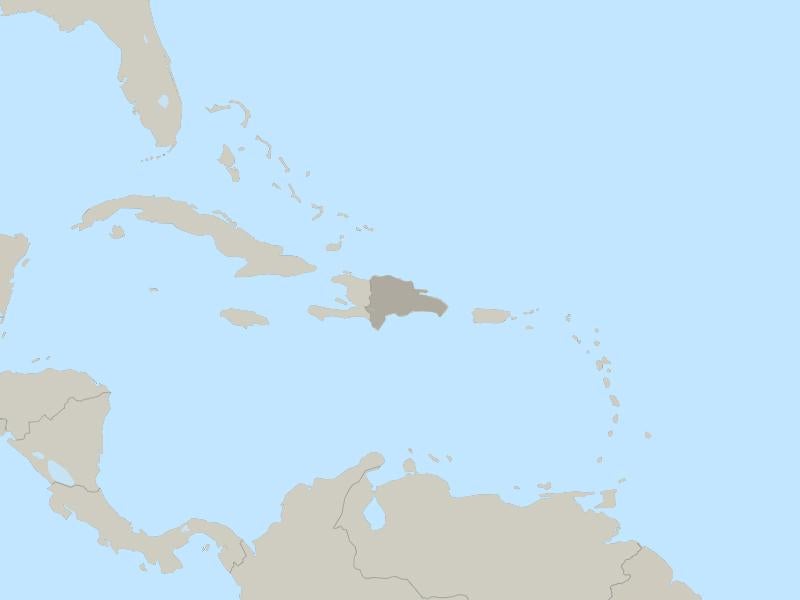
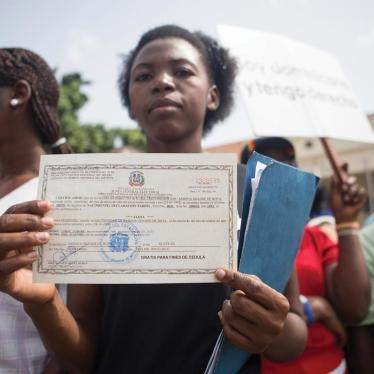
Structural racial discrimination, inequality, the criminalization of abortion, and the excessive use of force by the National Police are major human rights concerns. Authorities in the Dominican Republic are still implementing a 2013 ruling by the Constitutional Tribunal that stripped citizenship from tens of thousands of Dominicans of migrant descent, mostly of Haitian origin. Thousands of migrants were able to regularize their status thanks to a national regularization plan that ended in 2018. However, many eligible people still cannot resolve their situation, and the practice of illegal expulsions and deportations continues, as do the challenges to accessing asylum in the Dominican Republic.

Adolescent Girls’ Sexual and Reproductive Health and Rights in the Dominican Republic
The Total Criminalization of Abortion in the Dominican Republic
Discriminatory Laws against LGBT People in the Eastern Caribbean
Guaranteeing free education for all
94th Session
Lawmakers Should Enact Proposed Criminal Code Reform
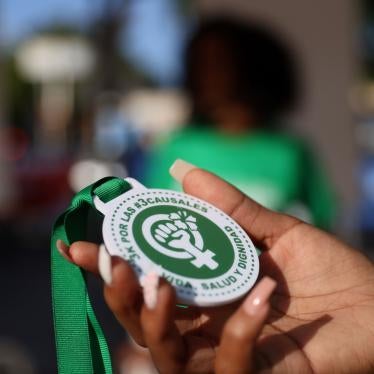
On International Day of the Girl, Imagine Life with Reproductive Rights Guaranteed
Girls Need Comprehensive Sexuality Education, Health Services, Safe Abortion
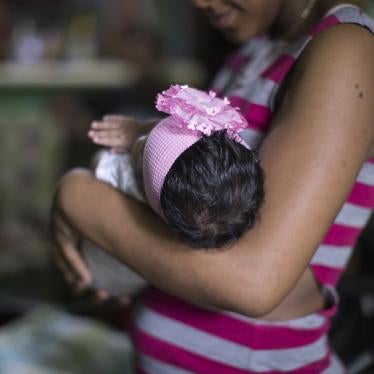
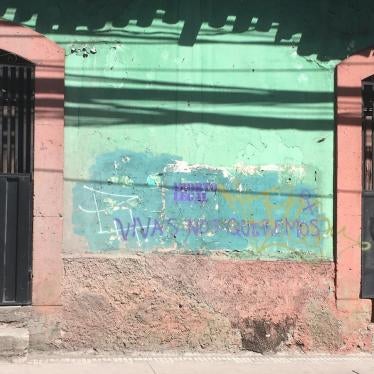
Criminal Penalties Violate Rights
People Without Dominican, Haitian Citizenship Stranded as Hurricane Matthew Approaches