Torture and Other Abuses Against Venezuelans in El Salvador’s Mega Prison
The 81-page report, “‘You Have Arrived in Hell’: Torture and Other Abuses Against Venezuelans in El Salvador’s Mega Prison,” provides a comprehensive account of the treatment of these people in El Salvador. In March and April 2025, the US government sent 252 Venezuelans, including dozens of asylum seekers, to the Center for Terrorism Confinement (Centro de Confinamiento del Terrorismo, CECOT) mega prison in El Salvador, despite credible reports of serious human rights abuses in El Salvador’s prisons. The Venezuelans were subject to refoulement—being sent to where they would face torture or persecution—arbitrary detention, enforced disappearance, torture, inhumane detention conditions and, in some cases, sexual violence.
Warring Parties’ Systematic Violations Against Journalists and Press Freedom in Yemen
The 59-page report, “‘We Pray to God by Torturing Journalists’: Warring Parties’ Systematic Violations Against Journalists and Press Freedom in Yemen,” documents the warring parties’ wide range of violations against journalists and media institutions, including the widespread use of arbitrary detention, enforced disappearances, torture, and other inhuman treatment. The authorities on all sides of the conflict have also carried out broader violations against Yemenis’ right to free expression and against the media, including seizing media organizations, intimidating and harassing media workers and obstructing their movement and work.
The 22-page report, “‘They Threw Me in the Water and Beat Me’: The Need for Accountability for Torture in Rwanda,” documents torture and ill-treatment by prison officials and detainees in Nyarugenge prison in the capital, Kigali; in Rubavu prison, western Rwanda; and in an unofficial detention facility in Kigali known as Kwa Gacinya. Human Rights Watch found that judges ignored complaints from current and former detainees about the unlawful detention and ill-treatment, creating an environment of near-total impunity.
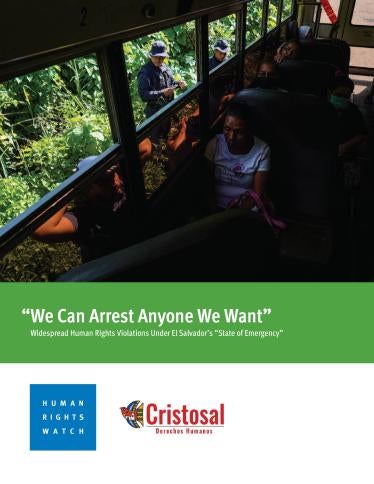
Widespread Human Rights Violations Under El Salvador’s “State of Emergency”
The 89-page report, “‘We Can Arrest Anyone We Want’: Widespread Human Rights Violations Under El Salvador’s ‘State of Emergency’” documents mass arbitrary detention, torture and other forms of ill-treatment against detainees, enforced disappearances, deaths in custody, and abuse-ridden prosecutions. President Nayib Bukele’s swift dismantling of judicial independence since he took office in mid-2019 enabled the abuses.
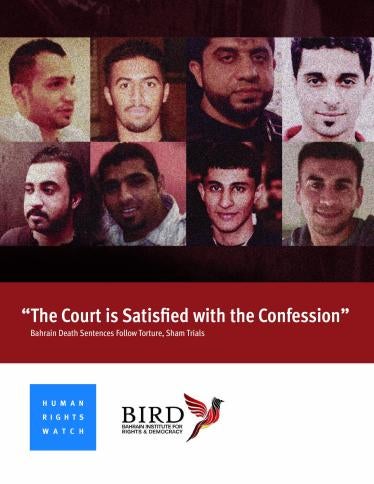
Bahrain Death Sentences Follow Torture, Sham Trials
The 61-page report, “‘The Court is Satisfied with the Confession’: Bahrain Death Sentences Follow Torture, Sham Trials,” based primarily on court records and other official documents, found serious and persistent human rights violations underlying the convictions and death sentences of cases of eight men examined for the report. The men are among 26 who are currently on death row, their appeals exhausted. Trial and appeal courts cavalierly dismissed credible allegations of torture and ill-treatment during interrogation instead of investigating them, as required by international and Bahraini law. The courts routinely violated defendants’ rights to fair trials, including the right to legal counsel during interrogation, the right to cross-examine prosecution witnesses, and through reliance on secretly sourced reports.
Unlawful Detention and Abuse in Unauthorized Places of Detention in Uganda
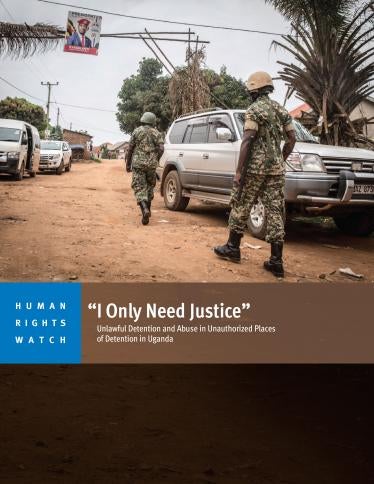
The 62-page report, “‘I Only Need Justice’: Unlawful Detention and Abuse in Unauthorized Places of Detention in Uganda,” documents enforced disappearances, arbitrary arrests, unlawful detention, torture, and other ill-treatment by the police, army, military intelligence, and Uganda’s domestic intelligence body, the Internal Security Organisation (ISO), most in unlawful places of detention in 2018, 2019, and around the January 2021 general elections.
Executions and Enforced Disappearances in Afghanistan under the Taliban
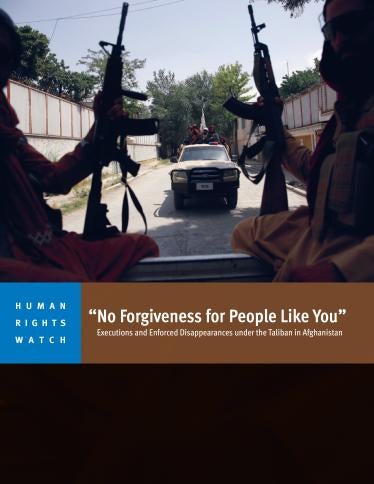
The 25-page report, “‘No Forgiveness for People Like You,’ Executions and Enforced Disappearances in Afghanistan under the Taliban,” documents the killing or disappearance of 47 former members of the Afghan National Security Forces (ANSF) – military personnel, police, intelligence service members, and militia – who had surrendered to or were apprehended by Taliban forces between August 15 and October 31. Human Rights Watch gathered credible information on more than 100 killings from Ghazni, Helmand, Kandahar, and Kunduz provinces alone.
Suspicious Killings and Extrajudicial Executions by Egyptian Security Forces
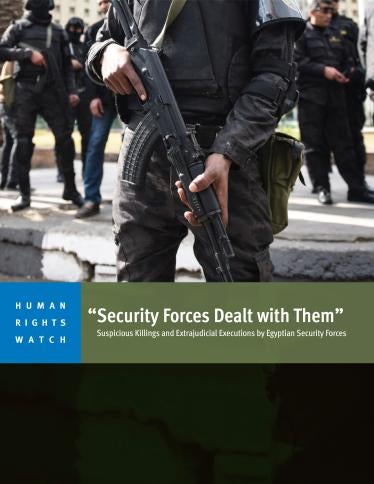
The 101-page report, “‘Security Forces Dealt with Them’: Suspicious Killings and Extrajudicial Executions by Egyptian Security Forces,” found that the alleged armed militants killed in the so-called shootouts did not pose an imminent danger to security forces or others when they were killed and in many cases had already been in custody. Egypt’s international partners should halt weapons transfers to Egypt and impose sanctions against the security agencies and officials most responsible for ongoing abuses.
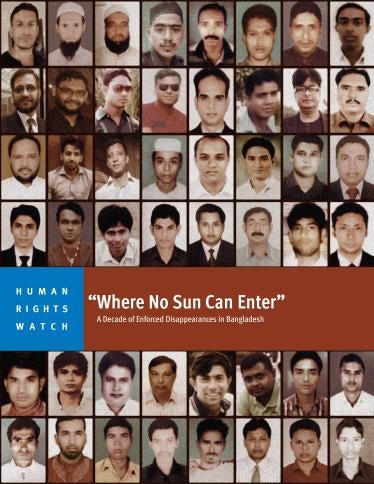
The 57-page report, “‘Where No Sun Can Enter’: A Decade of Enforced Disappearances in Bangladesh,” finds that, despite credible and consistent evidence that Bangladesh security forces routinely commit enforced disappearances, the ruling Awami League has ignored calls by donor governments, the UN, human rights organizations, and civil society to address the culture of impunity. Alongside the report, Human Rights Watch created a webpage tracking and profiling the cases of 86 victims in Bangladesh who were forcibly disappeared and who remain missing.
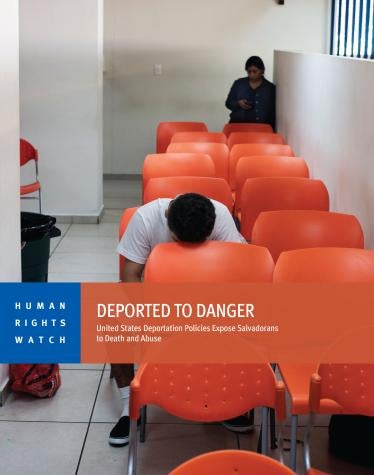
United States Deportation Policies Expose Salvadorans to Death and Abuse
The US government has deported people to face abuse and even death in El Salvador. The US is not solely responsible—Salvadoran gangs who prey on deportees and Salvadoran authorities who harm deportees or who do little or nothing to protect them bear direct responsibility—but in many cases the US is putting Salvadorans in harm’s way in circumstances where it knows or should know that harm is likely.
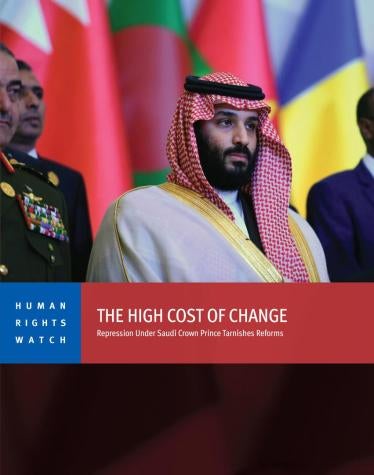
Repression Under Saudi Crown Prince Tarnishes Reforms
This report documents ongoing arbitrary and abusive practices by Saudi authorities targeting dissidents and activists since mid-2017 and total lack of accountability for those responsible for abuses. Human Rights Watch found that despite landmark reforms for Saudi women and youth, ongoing abuses demonstrate that the rule of law in Saudi Arabia remains weak and can be undermined at will by the country’s political leadership.
Abuses under Sri Lanka’s Prevention of Terrorism Act
This report documents previous and ongoing abuses committed under the PTA, including torture and sexual abuse, forced confessions, and systematic denials of due process. Drawing on interviews with former detainees, family members, and lawyers working on PTA cases, Human Rights Watch found that the PTA is a significant contributing factor toward the persistence of torture in Sri Lanka. The 17 accounts documented in the report represent only a tiny fraction of PTA cases overall, but they underscore the law’s draconian nature and abusive implementation.
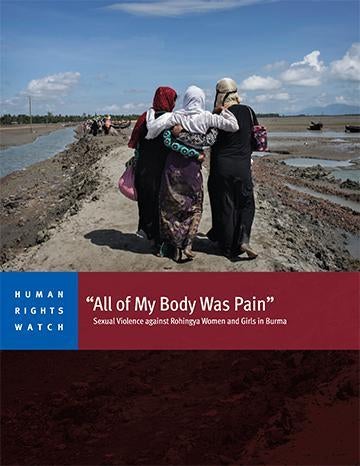
Sexual Violence against Rohingya Women and Girls in Burma
This report documents the Burmese military’s gang rape of Rohingya women and girls and further acts of violence, cruelty, and humiliation. Many women described witnessing the murders of their young children, spouses, and parents. Rape survivors reported days of agony walking with swollen and torn genitals while fleeing to Bangladesh.
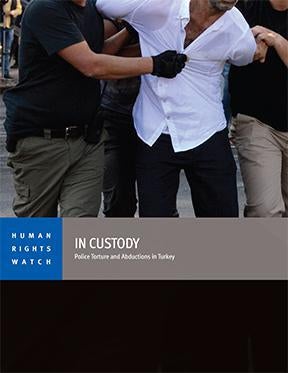
This report details credible evidence of 11 cases of serious abuse in detention, involving scores of individuals, all but one within the past seven months. The findings are based on interviews with lawyers and relatives, and a review of court transcripts, including allegations that police severely beat and threatened detainees, stripped them naked, and in some cases threatened them with sexual assault or sexually assaulted them. Human Rights Watch documented five cases of abductions in Ankara and Izmir between March and June 2017 that could amount to enforced disappearances – cases in which the authorities take a person into custody but deny it or refuse to provide information about the person’s whereabouts.
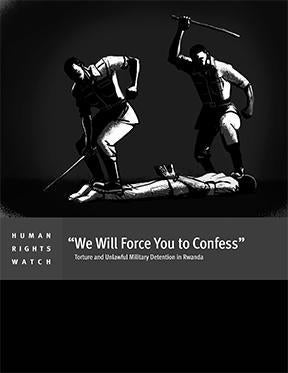
This report documents unlawful detention in military camps and widespread and systematic torture by the military. Human Rights Watch found that judges and prosecutors ignored complaints from current and former detainees about the unlawful detention and ill-treatment, creating an environment of total impunity. Rwandan authorities and United Nations bodies should investigate immediately.
This report documents how security forces, particularly officers of the Interior Ministry’s National Security Agency, use torture to force suspects to confess or divulge information, or to punish them. Allegations of torture have been widespread since then-Defense Minister al-Sisi ousted former President Mohamed Morsy in 2013, beginning a widespread crackdown on basic rights. Torture has long been endemic in Egypt’s law enforcement system, and rampant abuses by security forces helped spark the nationwide revolt in 2011 that unseated longtime leader Hosni Mubarak after nearly 30 years.