Skip to cookie privacy notice Skip to main content
Human Rights Watch

Share this via Facebook Share this via Bluesky Share this via X Share this via WhatsApp Share this via Email More sharing options Share this via LinkedIn Share this via Reddit Share this via Telegram Share this via Printer

  • English
  • العربية
  • 简体中文
  • Français
  • Deutsch
  • Português
  • Русский
  • Español
Donate Now
Would you like to read this page in another language?
Yes
You Should Be Worrying about the Woman Shortage

You Should Be Worrying about the Woman Shortage

Social Media’s Moral Reckoning

Social Media’s Moral Reckoning

Changing the Terms of Engagement with Silicon Valley

As China’s Grip Tightens, Global Institutions Gasp

As China’s Grip Tightens, Global Institutions Gasp

Limiting Beijing’s Influence Over Accountability and Justice

Atrocities as the New Normal

Atrocities as the New Normal

Time to Re-Energize the “Never Again” Movement

Caught in the Middle

Caught in the Middle

Convincing “Middle Powers” to Fight Autocrats Despite High Costs

Breaking the Buzzword

Breaking the Buzzword

Fighting the “Gender Ideology” Myth

Living Longer, Locked Away

Living Longer, Locked Away

Helping Older People Stay Connected, and at Home

Can Algorithms Save Us from Human Error?

Can Algorithms Save Us from Human Error?

Human Judgment and Responsibility in the Age of Technology

video & image galleries

Video: World Report 2019 Press Conference Live from Berlin

Video: World Report 2019 Press Conference Live from Berlin

"You Don't Want to Breathe Poison Anymore"
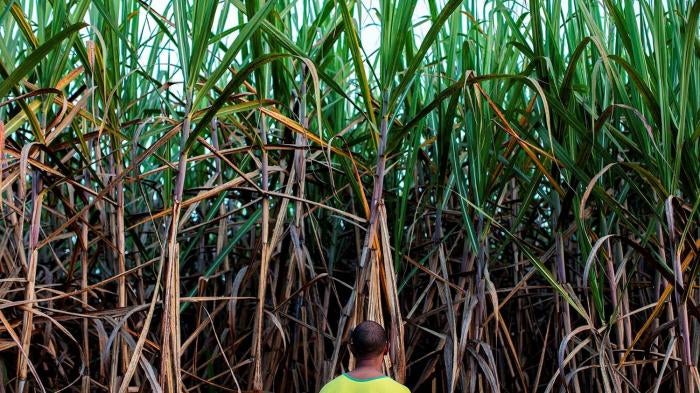
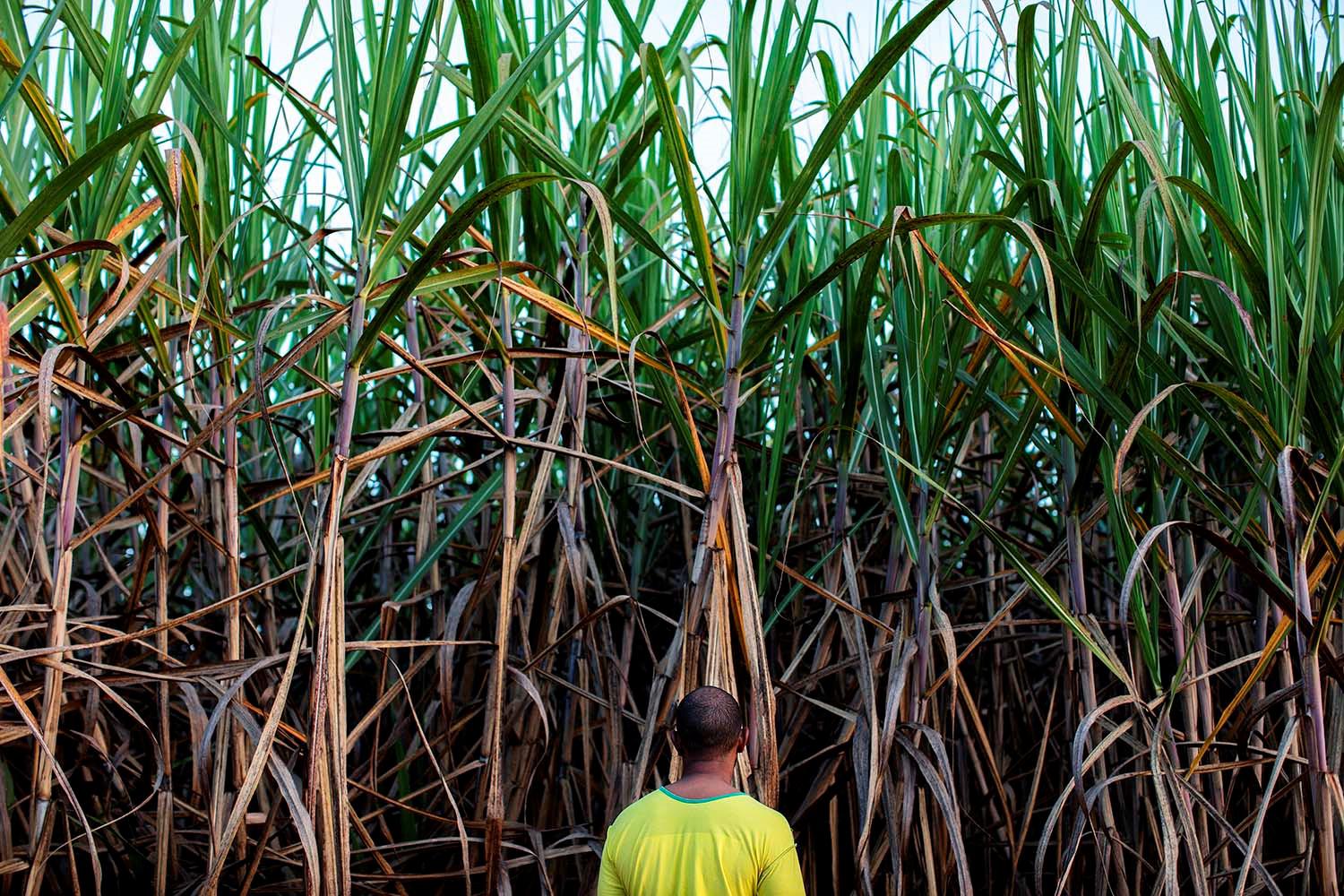
Bernardo, a man in his 30s, was born in a quilombo (Afro-Brazilian) community of around 60, men, women, and children in Minas Gerais State, southeast Brazil. Bernardo told Human Rights Watch that he feels powerless against aerial spraying of pesticides. “

Bernardo, a man in his 30s, was born in a quilombo (Afro-Brazilian) community of around 60, men, women, and children in Minas Gerais State, southeast Brazil. Bernardo told Human Rights Watch that he feels powerless against aerial spraying of pesticides. “We’ve registered several complaints at the [local] civil police station and military police,” he said. “No one solves it—there is no justice.”

© 2018 Marizilda Cruppé for Human Rights Watch
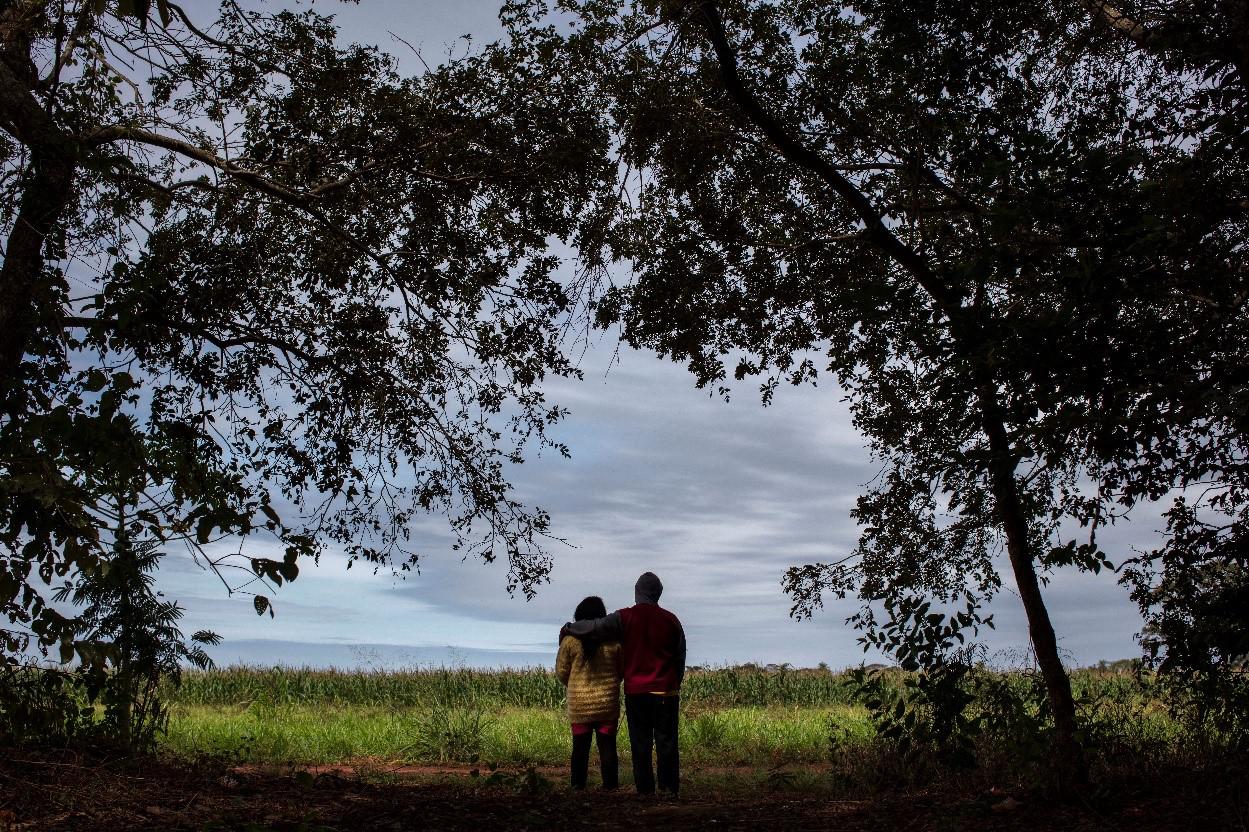
Irupe and Pinon, both in their 40s, live in a community a few hours’ drive from Campo Grande, the capital city of Mato Grosso do Sul in mid-west Brazil. They told Human Rights Watch that the most recent incident of poisoning was in early 2018, when they f

Irupe and Pinon, both in their 40s, live in a community a few hours’ drive from Campo Grande, the capital city of Mato Grosso do Sul in mid-west Brazil. They told Human Rights Watch that the most recent incident of poisoning was in early 2018, when they felt spray from a tractor spraying pesticides in the nearby plantation. Among her symptoms, Irupe experienced dizziness, headache, and vomiting.

© 2018 Marizilda Cruppé for Human Rights Watch
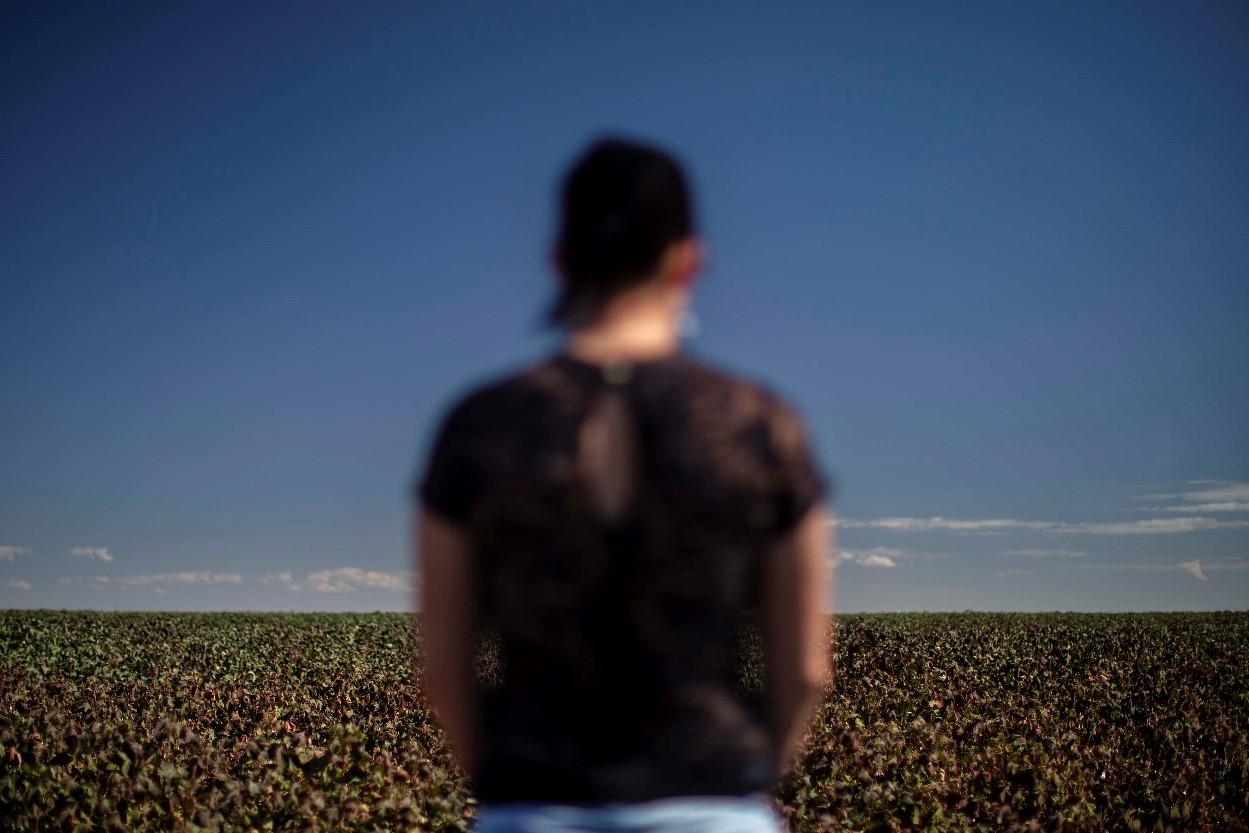
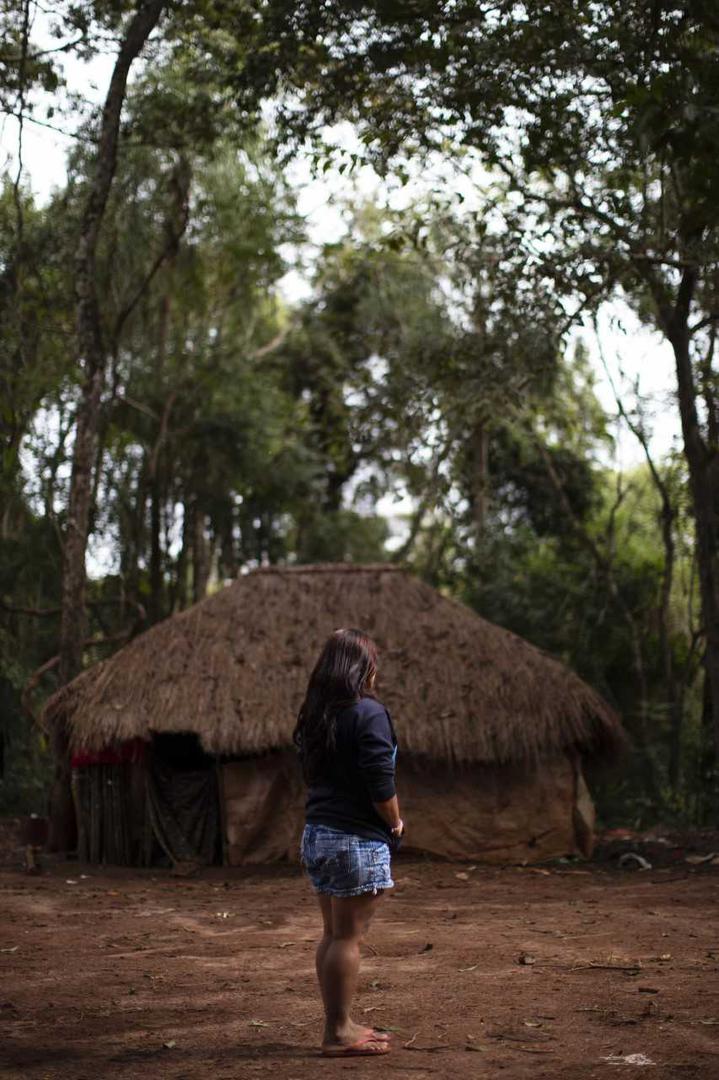
Carina, a women in her mid-30s who studies at a school in the municipality of Primavera do Leste, Mato Grosso, stands near a cotton plantation. Carina suffered acute poisoning while attending school in 2017: “I started feeling sick, nauseous…. I started v

Carina, a women in her mid-30s who studies at a school in the municipality of Primavera do Leste, Mato Grosso, stands near a cotton plantation. Carina suffered acute poisoning while attending school in 2017: “I started feeling sick, nauseous…. I started vomiting many times, until I had thrown up all I had in my stomach and was just retching. The classes were cancelled for everyone, and I went home.”

© 2018 Marizilda Cruppé for Human Rights Watch
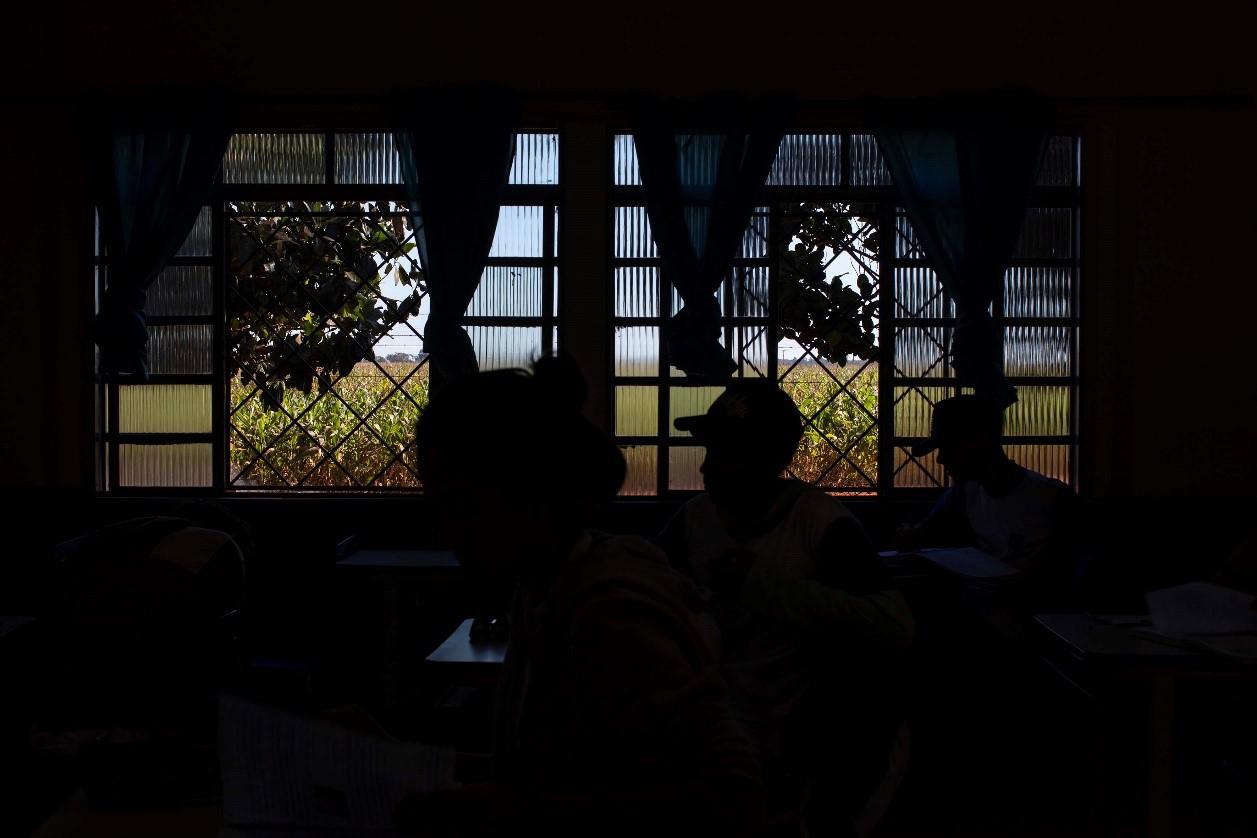
A classroom at a school located in the municipality of Primavera do Leste, Mato Grosso, looking out on the plantations immediately beside the school grounds. The school has just over 100 students, with classes for 15- and 16-year-old children during the d

A classroom at a school located in the municipality of Primavera do Leste, Mato Grosso, looking out on the plantations immediately beside the school grounds. The school has just over 100 students, with classes for 15- and 16-year-old children during the day and for adults in the evening. Some classrooms are about 15 meters from the fields.

© 2018 Marizilda Cruppé for Human Rights Watch
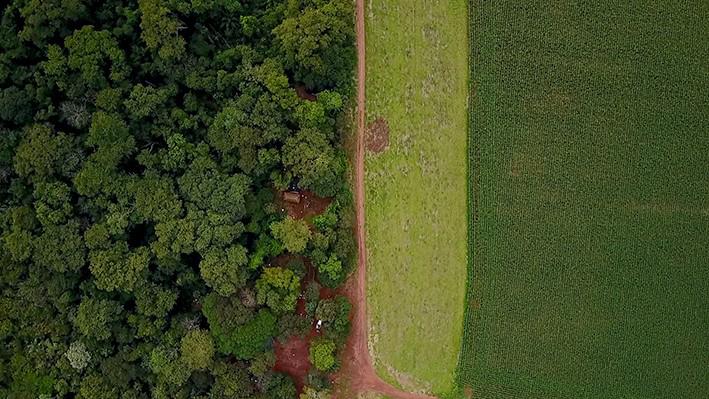
Imagem de drone sobre uma comunidade indígena Guarani-Kaiowá localizada a poucas horas de carro de Campo Grande, capital do estado do Mato Grosso do Sul. A plantação vizinha alterna entre o cultivo de soja e milho.

Imagem de drone sobre uma comunidade indígena Guarani-Kaiowá localizada a poucas horas de carro de Campo Grande, capital do estado do Mato Grosso do Sul. A plantação vizinha alterna entre o cultivo de soja e milho.

© 2018 Marizilda Cruppé para Human Rights Watch
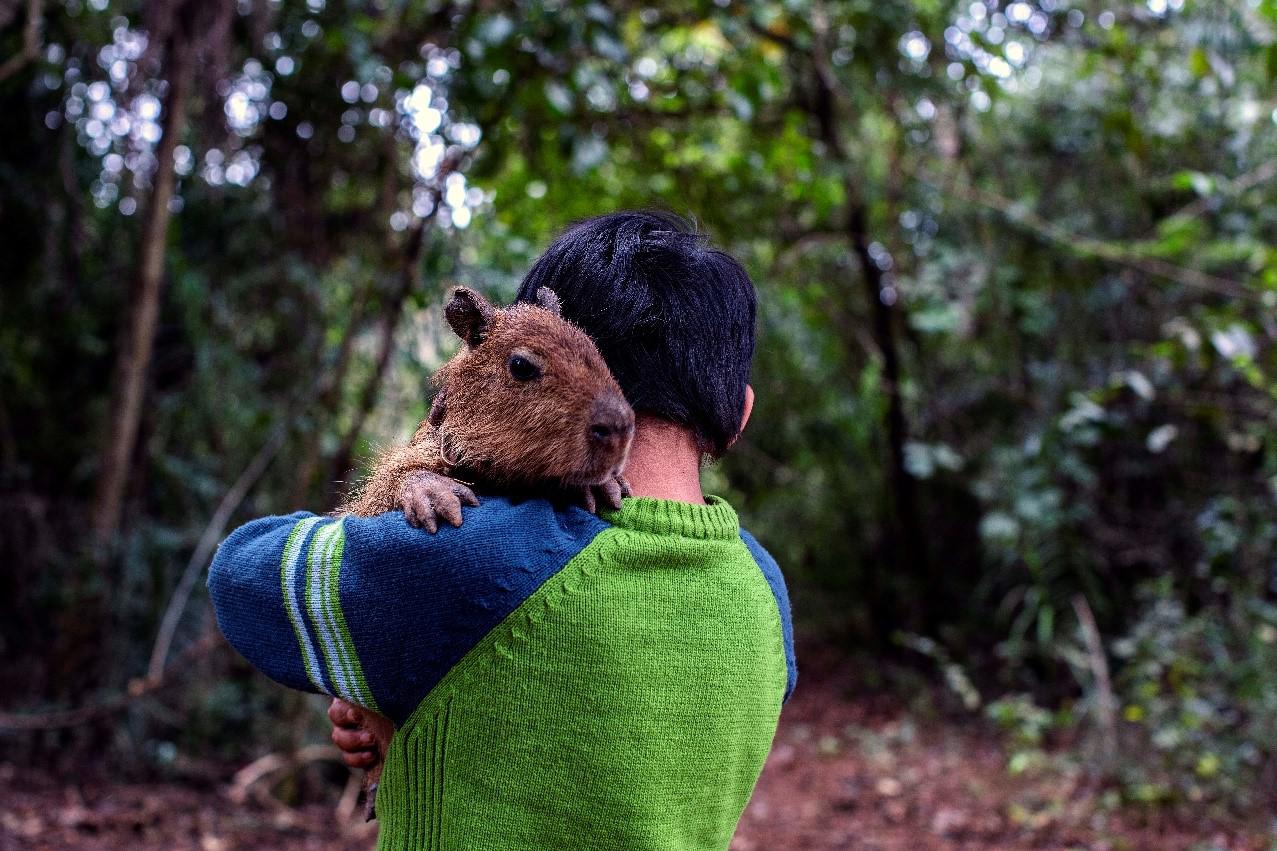
Aratiri, a 9-year-old boy, lives in an indigenous community in the state of Mato Grosso do Sul. Residents of the community told Human Rights Watch of numerous cases of acute poisoning by pesticides in recent years from both aerial and ground spraying.

Aratiri, a 9-year-old boy, lives in an indigenous community in the state of Mato Grosso do Sul. Residents of the community told Human Rights Watch of numerous cases of acute poisoning by pesticides in recent years from both aerial and ground spraying.

© 2018 Marizilda Cruppé for Human Rights Watch
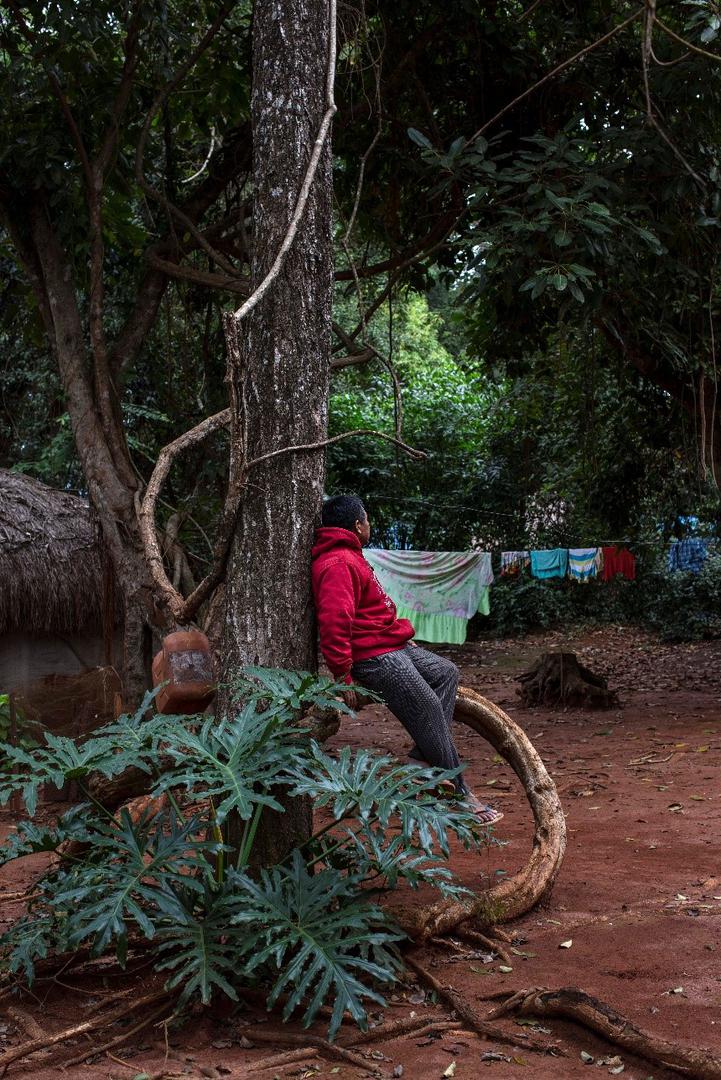
Jakaira, a man in his 40s who has lived in his community in the state of Mato Grosso do Sul for 10 years, suffered acute poisoning around October 2017. He told Human Rights Watch: “You feel bitterness in the throat. You don’t want to breathe poison anymor

Jakaira, a man in his 40s who has lived in his community in the state of Mato Grosso do Sul for 10 years, suffered acute poisoning around October 2017. He told Human Rights Watch: “You feel bitterness in the throat. You don’t want to breathe poison anymore—you want to breathe another type of air—but there isn’t any.”

© 2018 Marizilda Cruppé for Human Rights Watch
201807americas_brazil_pesticides8

Panambi, a woman in her mid-20s, lives in a small house with her mother and four-year old daughter. She told Human Rights Watch that, during an episode of spraying on the nearby plantation in March 2018, she and her family felt their eyes burning and that she covered her daughter’s mouth with a damp cloth to try and protect her. “We should be breathing fresh air, but we felt a bad taste, a burning [sensation.]” 

© 2018 Marizilda Cruppé for Human Rights Watch
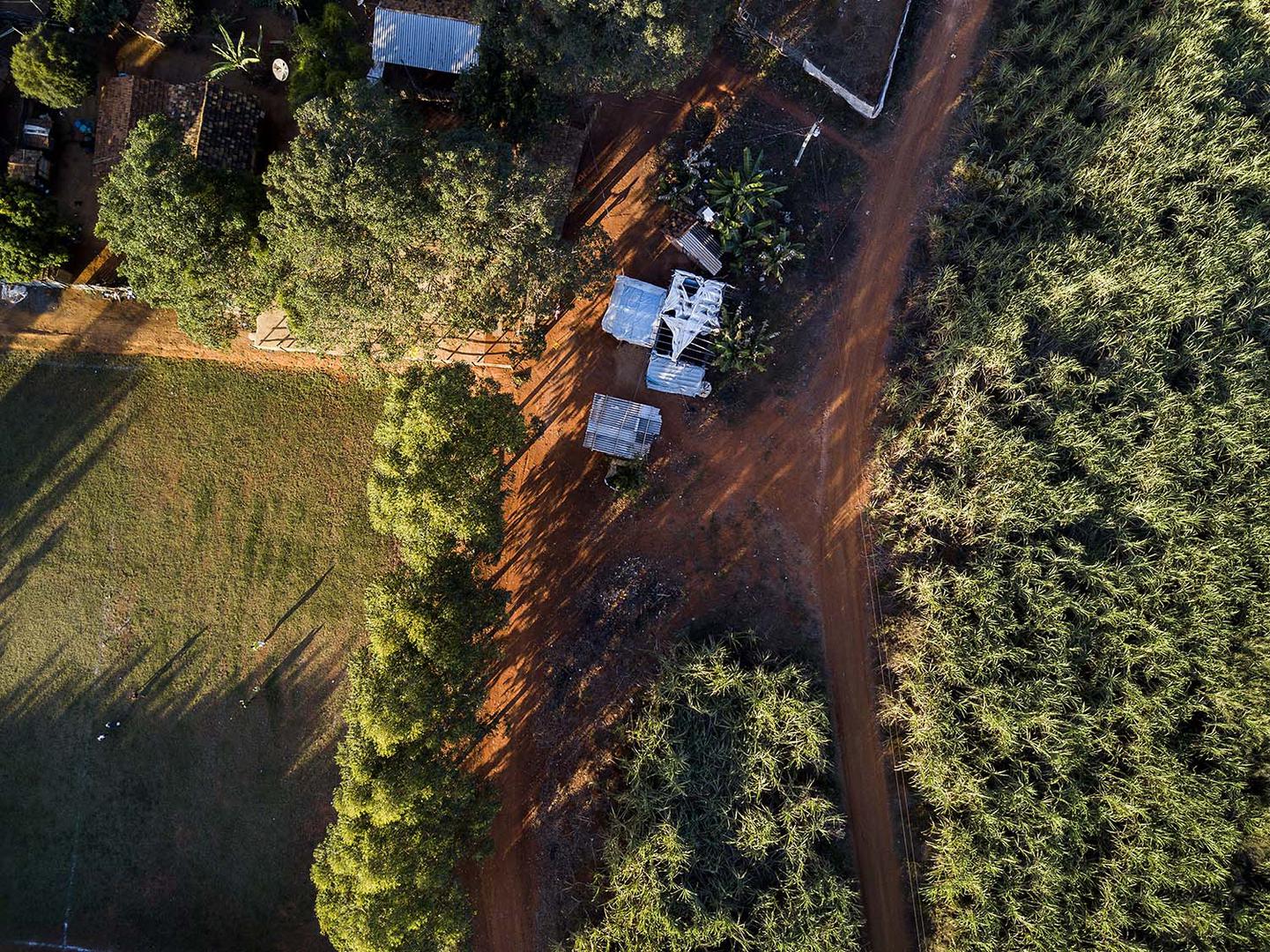
Drone view of a quilombo (Afro-Brazilian) community in Minas Gerais State, southeast Brazil. Some of the houses are around 20 meters from the adjacent sugarcane plantation.

Drone view of a quilombo (Afro-Brazilian) community in Minas Gerais State, southeast Brazil. Some of the houses are around 20 meters from the adjacent sugarcane plantation.

© 2018 Marizilda Cruppé for Human Rights Watch
201807americas_brazil_pesticides10

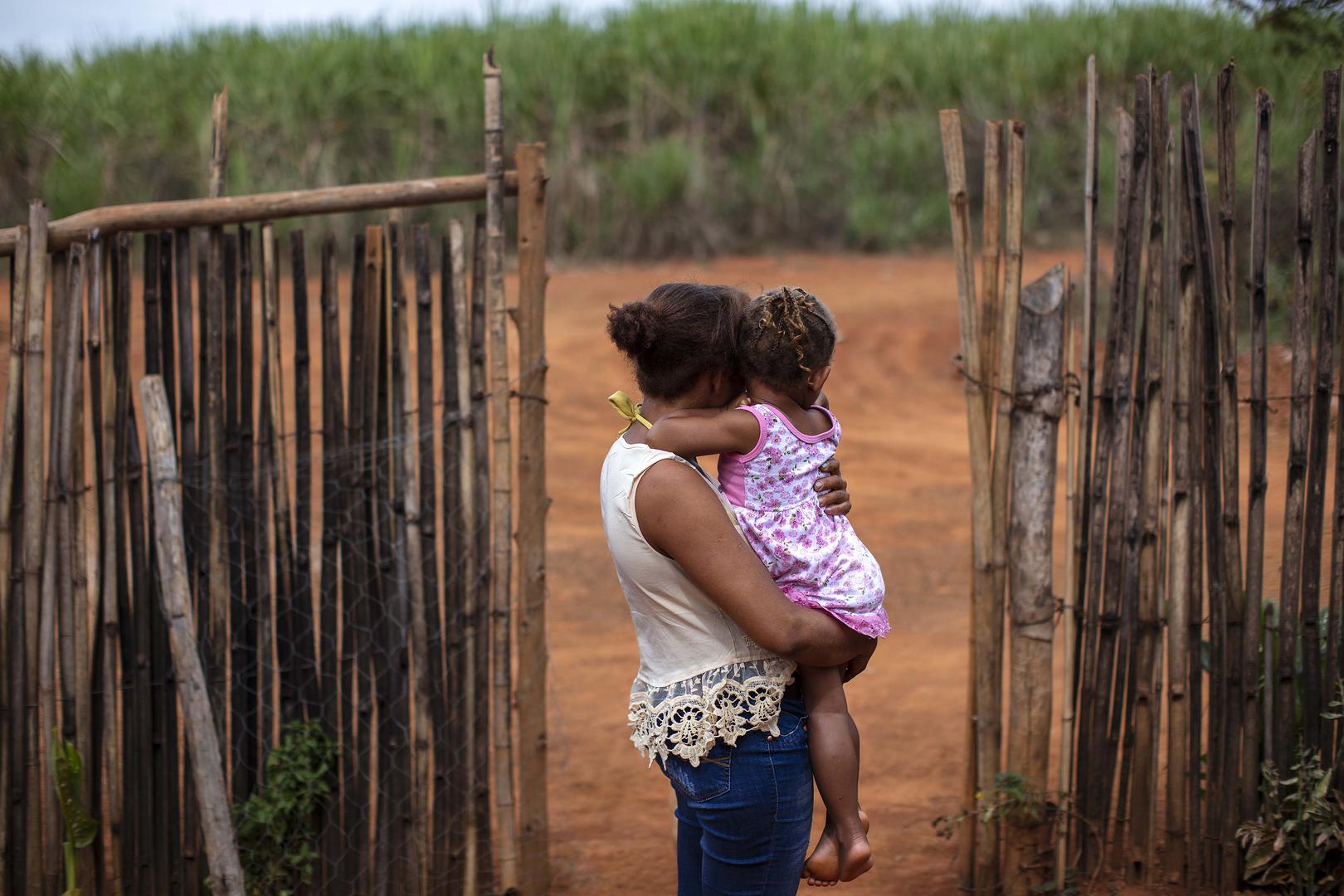
Jovana, a woman in her mid-20s, with her young daughter. They live in Minas Gerais State and, along with other residents, said that airplanes often spray over the houses in their community. She described being sprayed by pesticides from airplanes, along with her children, and experiencing symptoms including headaches, nausea, dizziness and vomiting. Children are particularly vulnerable to the adverse effects of toxic exposures as their brains and bodies are still developing. 

© 2018 Marizilda Cruppé for Human Rights Watch

201807americas_brazil_pesticides11

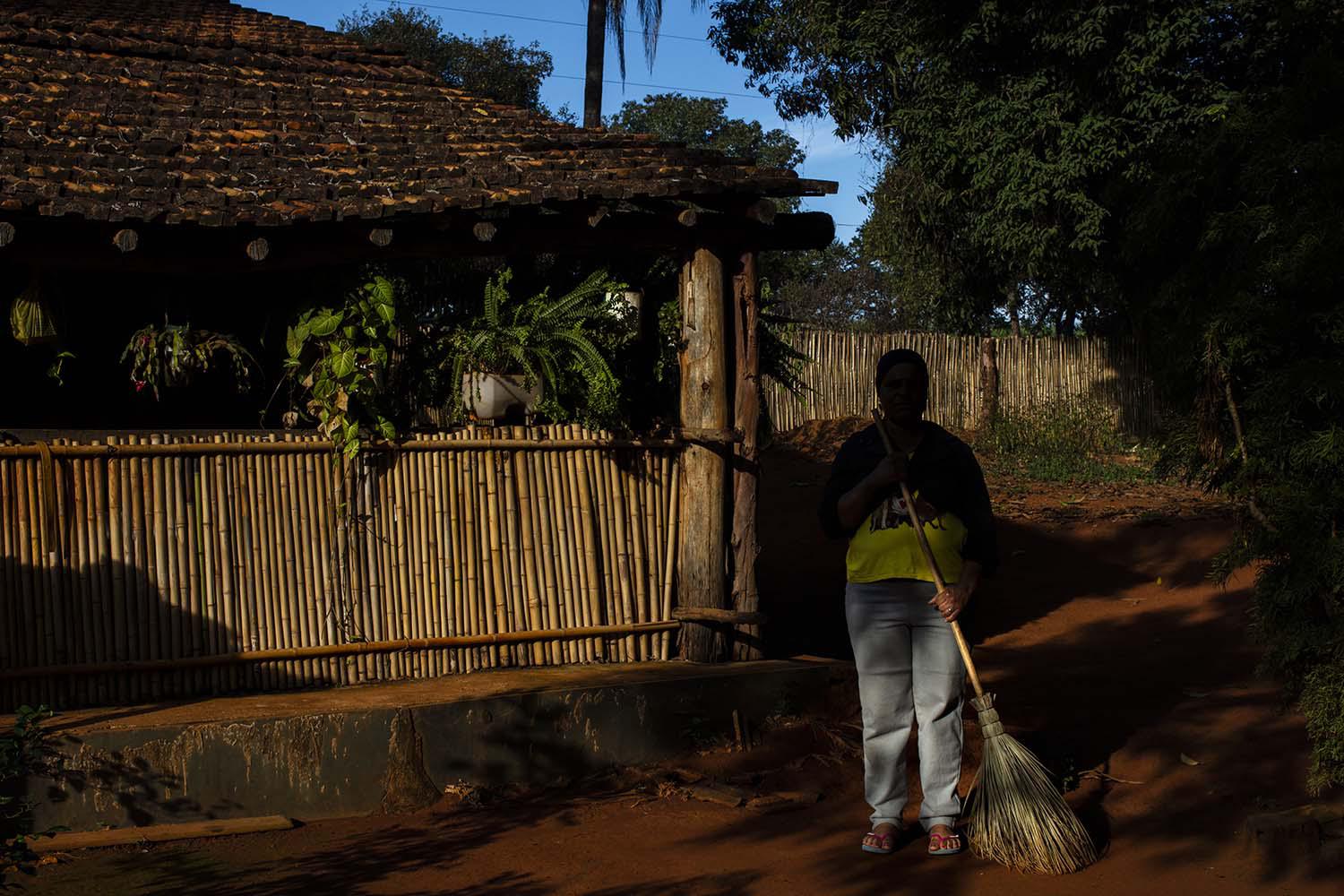
Pedrina, a woman in her mid-40s, lives in Minas Gerais State. She told Human Rights Watch she has felt the symptoms of acute poisoning from pesticide spray many times and described fearing retaliation if she went to the authorities to raise concerns about the health impacts of pesticide spraying. 

© 2018 Marizilda Cruppé for Human Rights Watch

201807americas_brazil_pesticides12

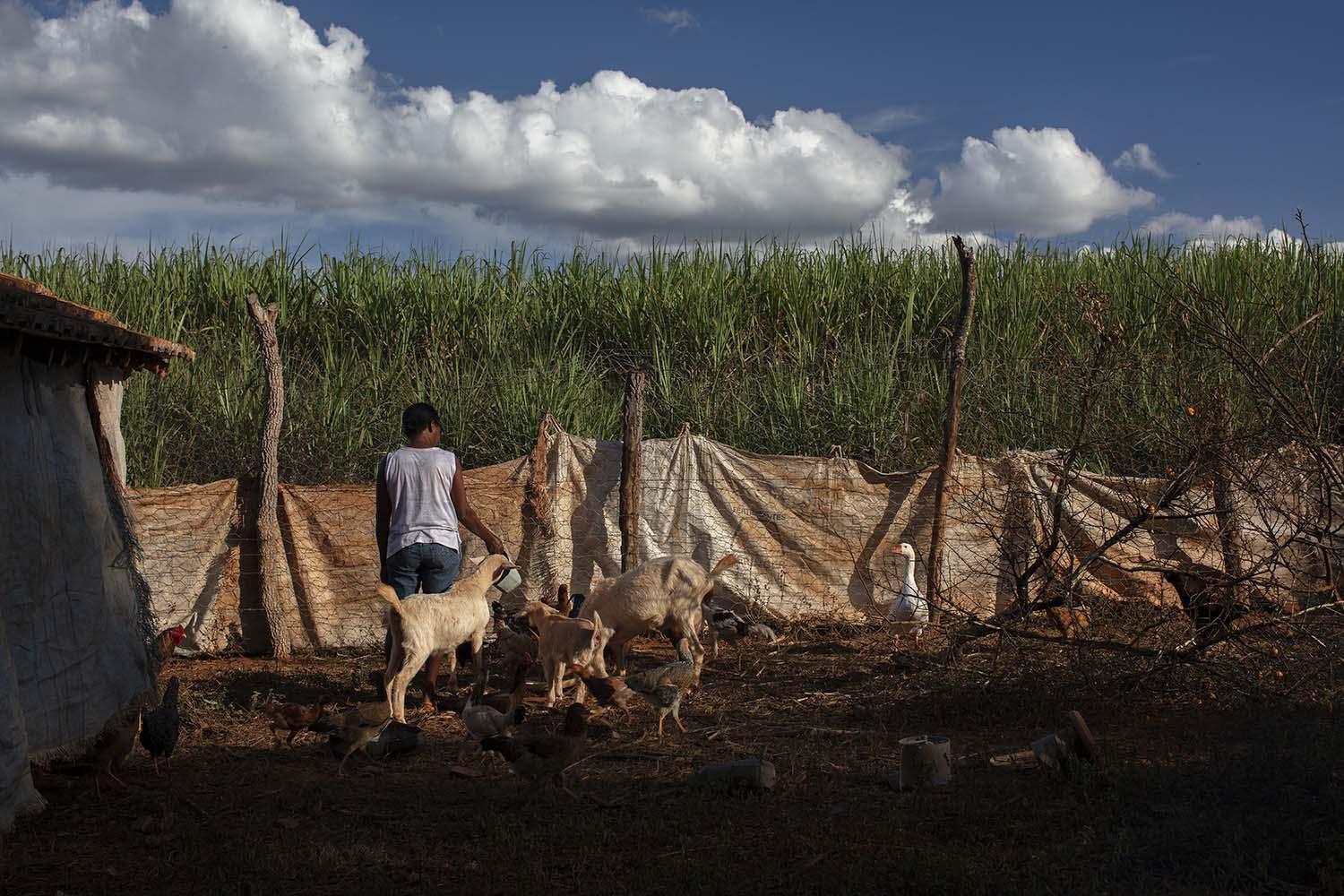
Uiara, a woman in her early 50s, lives in Minas Gerais State. She told Human Rights Watch: “The airplane flies over the houses with the duster on. We don’t wait, we run inside the houses. The pesticides are very strong.” 

© 2018 Marizilda Cruppé for Human Rights Watch

201807americas_brazil_pesticides13

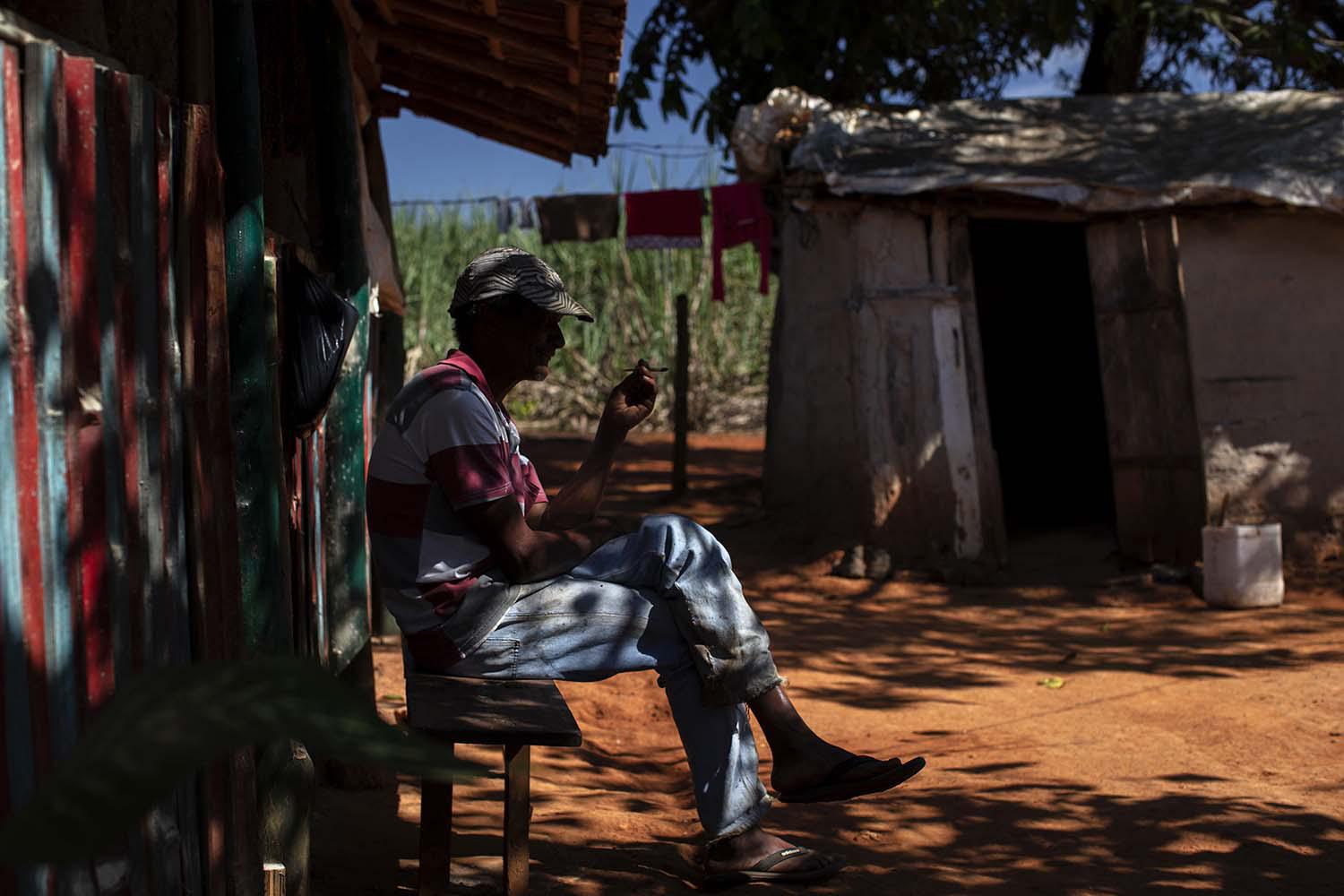
Estevo, a man in his mid-50s, lives in Minas Gerais State. He told Human Rights Watch: “The airplane [spraying pesticides] flies over the community. Several times pesticides fell on me while I was working on the land. There is nothing we can do.” 

© 2018 Marizilda Cruppé for Human Rights Watch

"You Don't Want to Breathe Poison Anymore"

Land Confiscation in Myanmar
201807asia_burma_myanmarland11

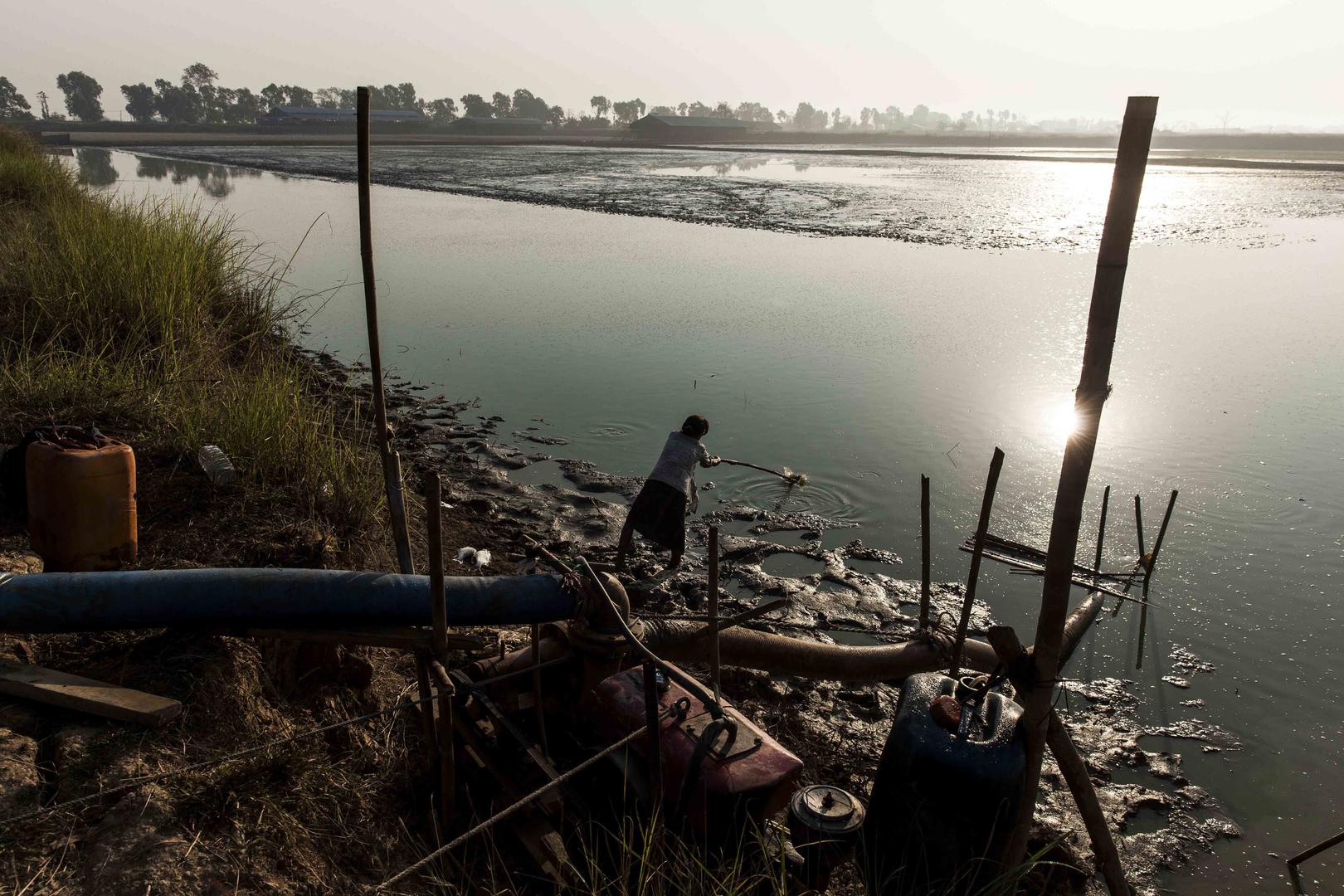
The sun rises over the Ayeyarwady Region’s many fishponds where countless villagers had their once-verdant farmlands confiscated by military-backed ministries and soldiers in the 1990s. Few plots of land have been returned to their original owners who were all denied adequate compensation for their land. 

© 2017 Patrick Brown for Human Rights Watch
201807asia_burma_myanmarland19

Laborers on the outskirts of Yangon build low-income housing brick-by-brick, while nearby homes of displaced residents sit on an old trash dump. 

© 2017 Patrick Brown for Human Rights Watch
201807asia_burma_myanmarland18

Low-income housing being built on land on the outskirts of Yangon from which previous residents in makeshift homes were displaced. The displaced community, who were told by company staff and local authorities they could relocate a few hundred meters away on an old landfill, still resides in the shadow of the new housing. Residents had to build a makeshift bamboo walkway to avoid having to walk on the trash underneath their homes and all around them. The communities were paid little in compensation for the relocation and considerably suffered through the ordeal. 

© 2017 Patrick Brown for Human Rights Watch
201807asia_burma_myanmarland14

A farmer tends a fishpond in the Ayeyarwady Region where untold amounts of land have been confiscated since the early 1990s. 

© 2017 Patrick Brown for Human Rights Watch
201807asia_burma_myanmarland13

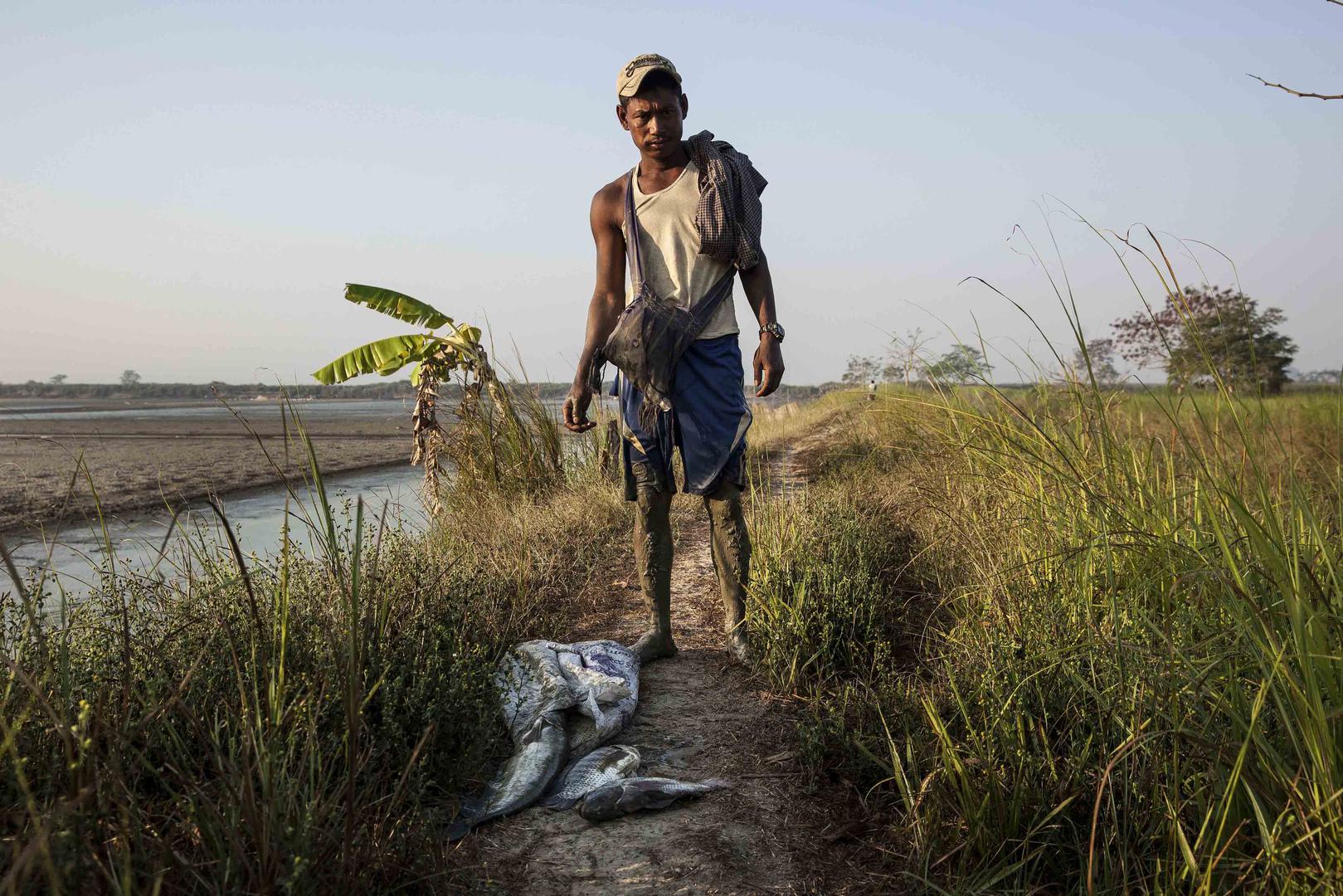
A man displays his catch in the Ayeyarwady Region where countless acres of farmland were confiscated without notice or compensation and turned into fishponds. 

© 2017 Patrick Brown for Human Rights Watch
201807asia_burma_myanmarland12

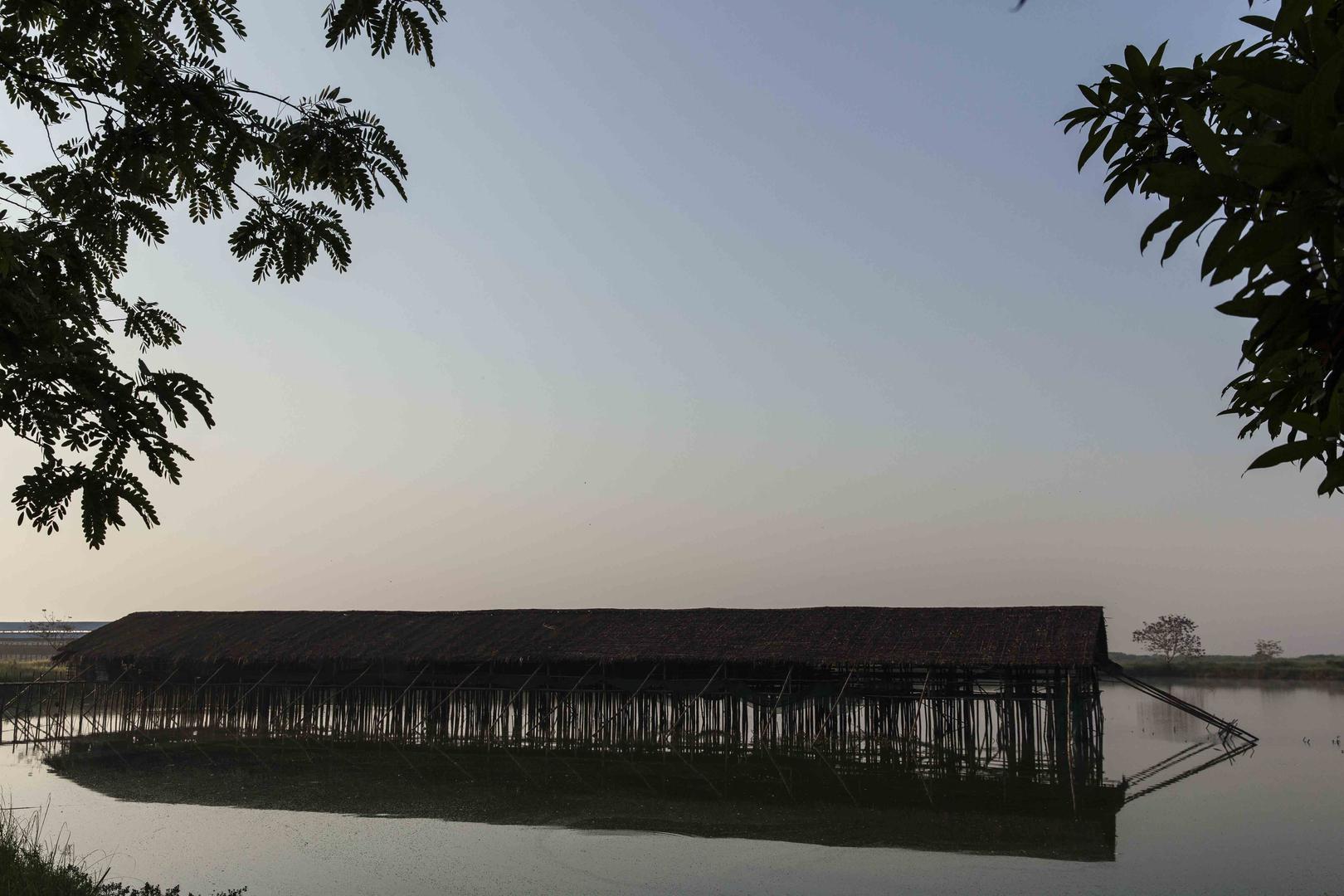
One of the Ayeyarwady Region’s many fishponds where countless villagers had their farmlands confiscated by State Law and Order Restoration Council (SLORC) ministries and soldiers in the 1990s. Some farmers were effectively forced to dig ponds on their own lands. The government and military have refused in all but a few cases to return these confiscated lands to their original owners. 

© 2017 Patrick Brown for Human Rights Watch
201807asia_burma_myanmarland9

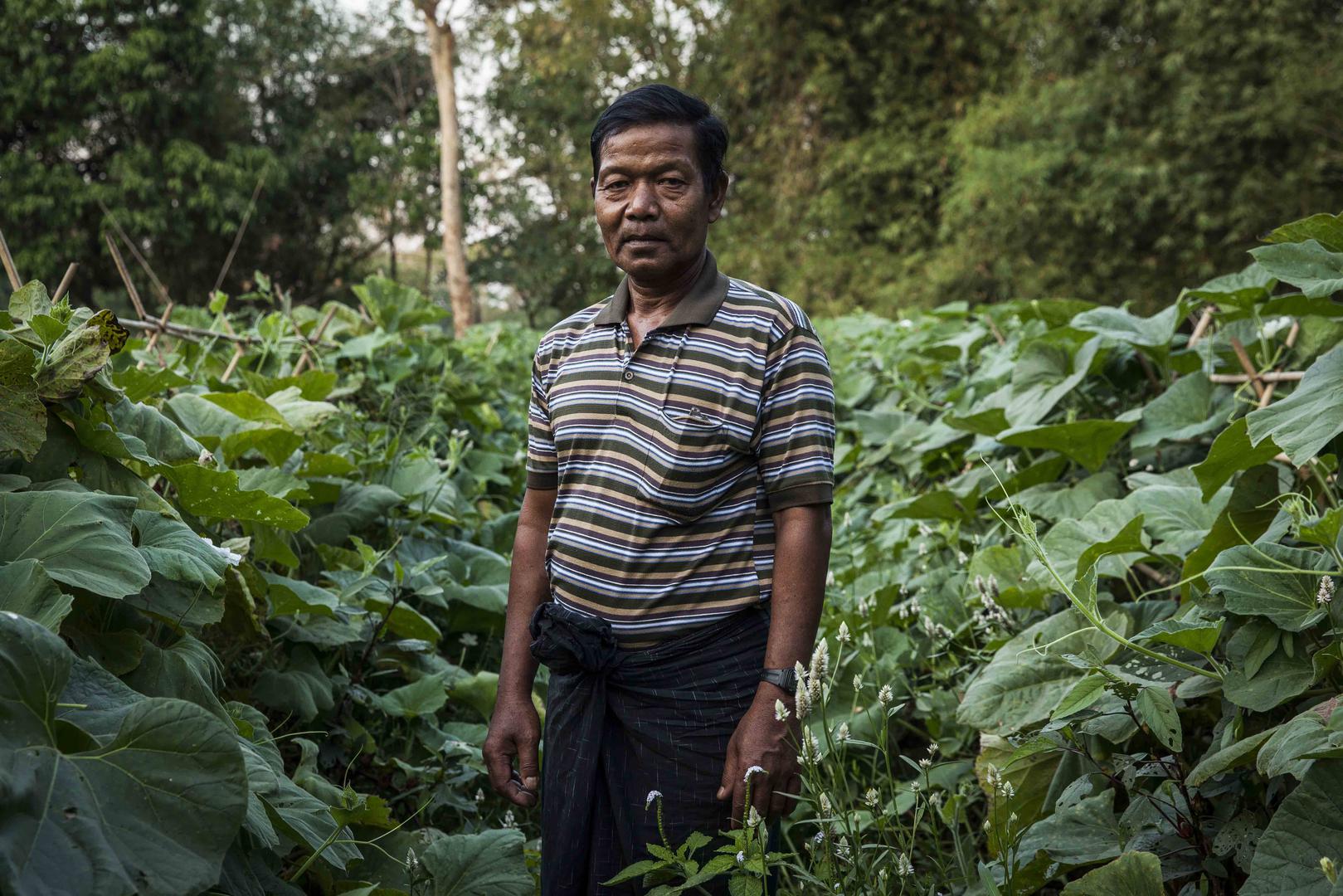
La Win, 61, a farmer from the Ayeyarwady Region, spent four years clearing 35 acres of land in 1991. He said that in 2004 a company took the land from him. He received no compensation for the land, which was just one parcel in a broader swath of land confiscated by the company in the region. He has filed countless claims with the government in attempts to get his land back to no avail. Since he is unable to farm his land, he now works as a manual laborer, weaving together thatch walls, and occasionally fishing. 

© 2017 Patrick Brown for Human Rights Watch
201807asia_burma_myanmarland8

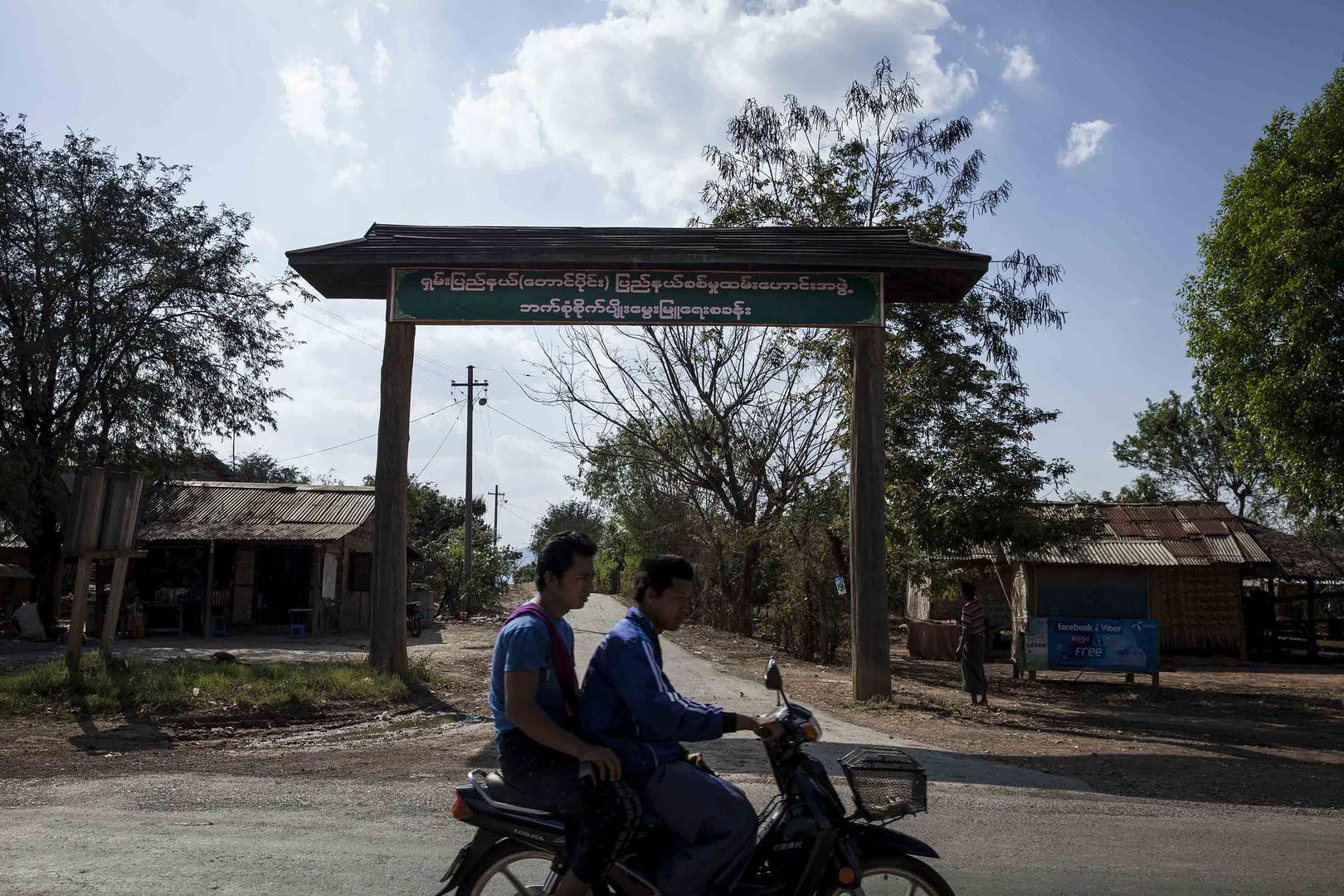
Villagers ride past the entrance to a vast area of farmland that local residents said the government confiscated from them in southern Shan State. The government subsequently designated the land for use by Myanmar military’s veterans. 

© 2017 Patrick Brown for Human Rights Watch
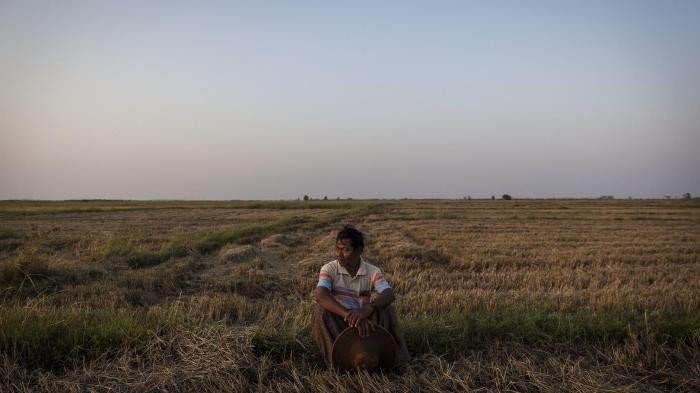
201807asia_burma_myanmarland7

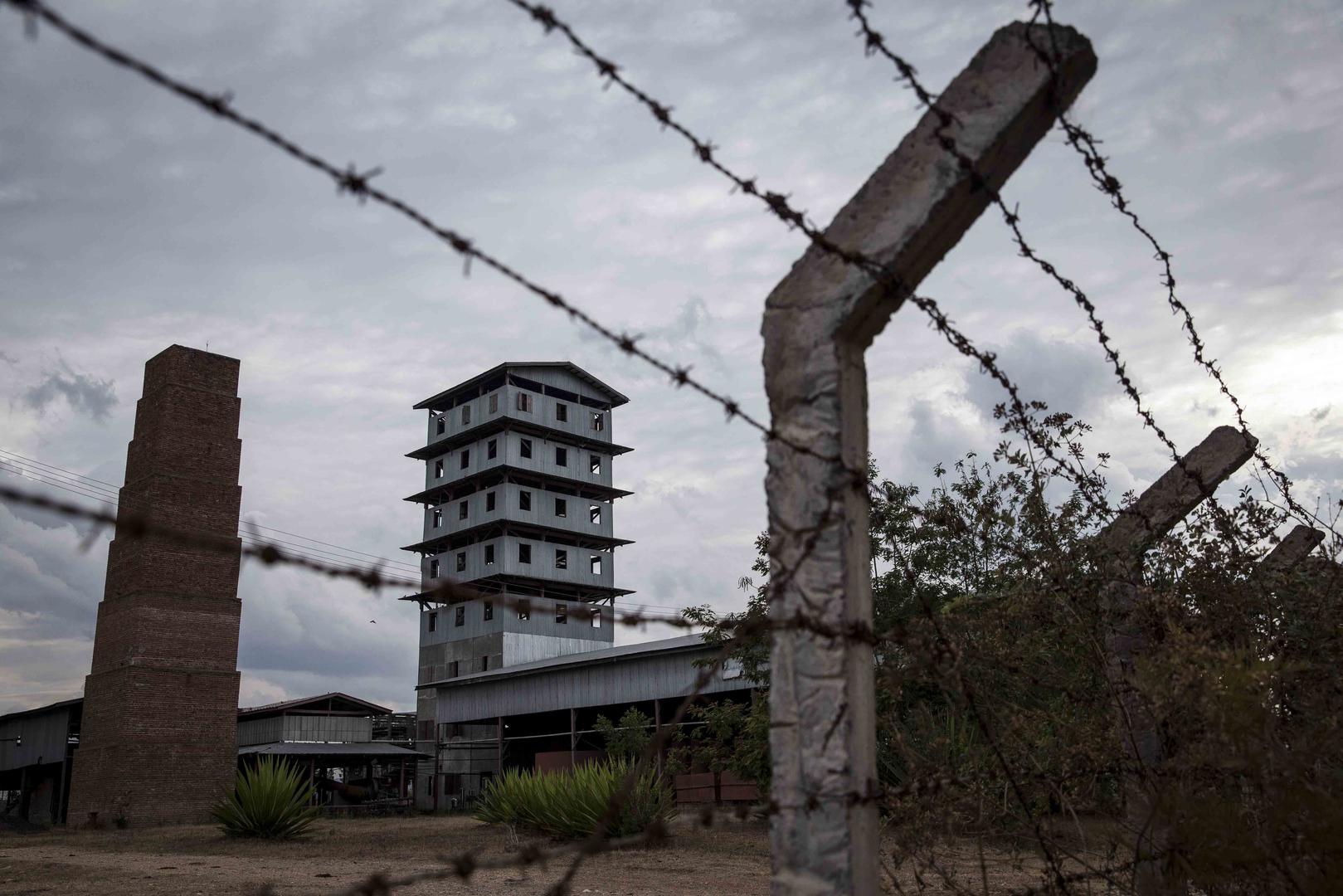
Barbed wire surrounds a factory in southern Shan State built on land that farmers report was confiscated by the military in 2004. 

© 2017 Patrick Brown for Human Rights Watch
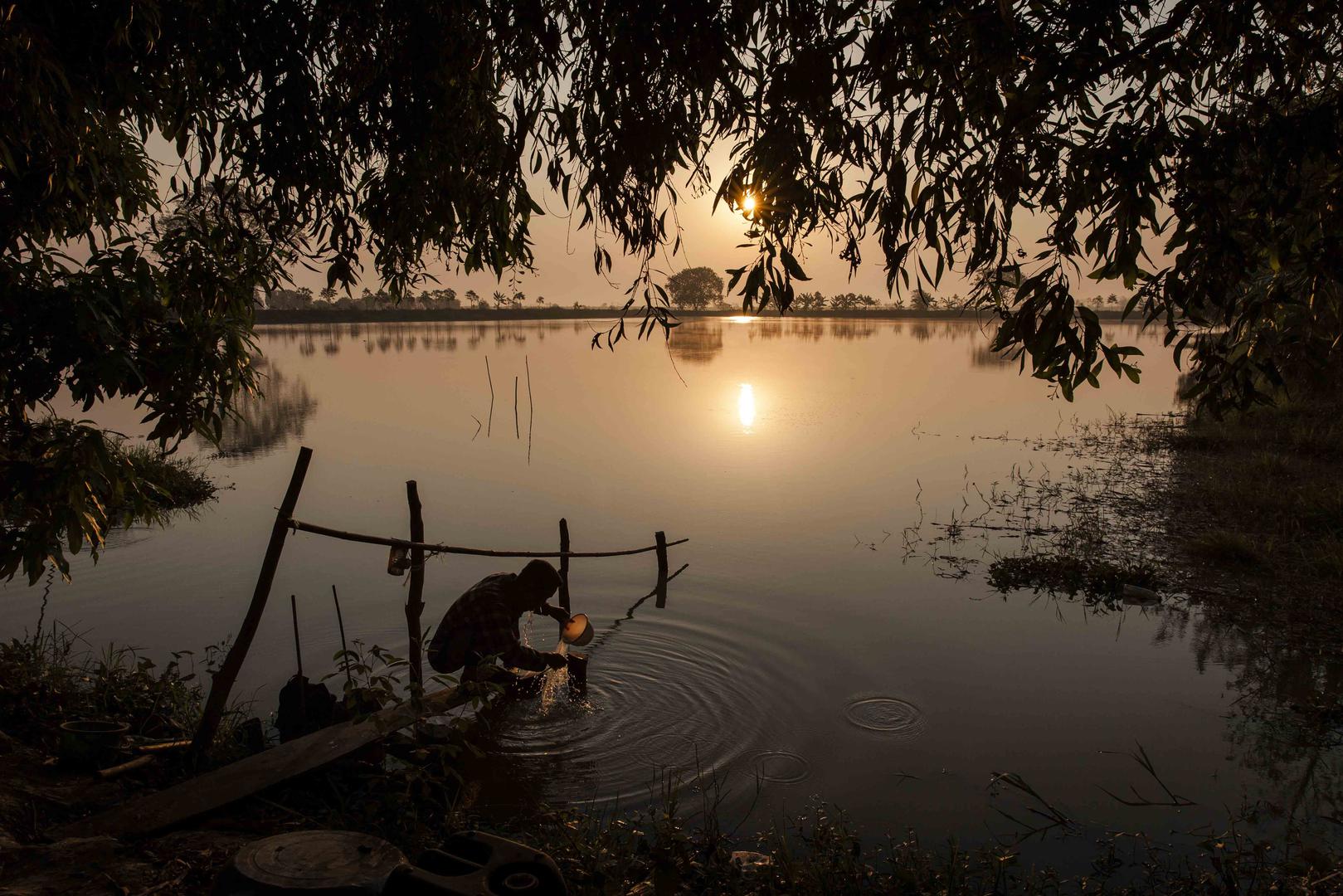
201807asia_burma_myanmarland5

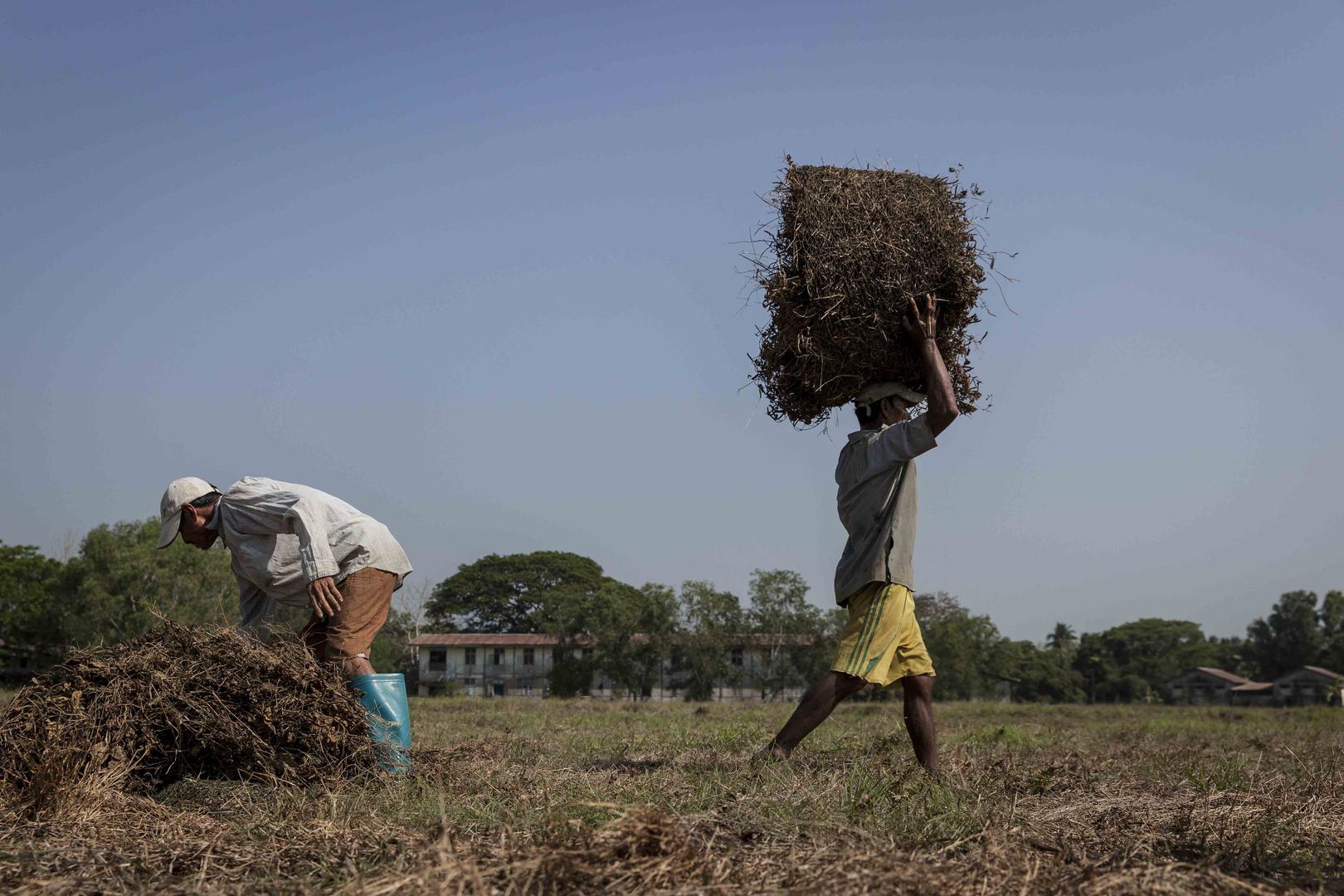
Farmers wrap and transport crops from a field in the Ayeyarwady Region. 

© 2017 Patrick Brown for Human Rights Watch
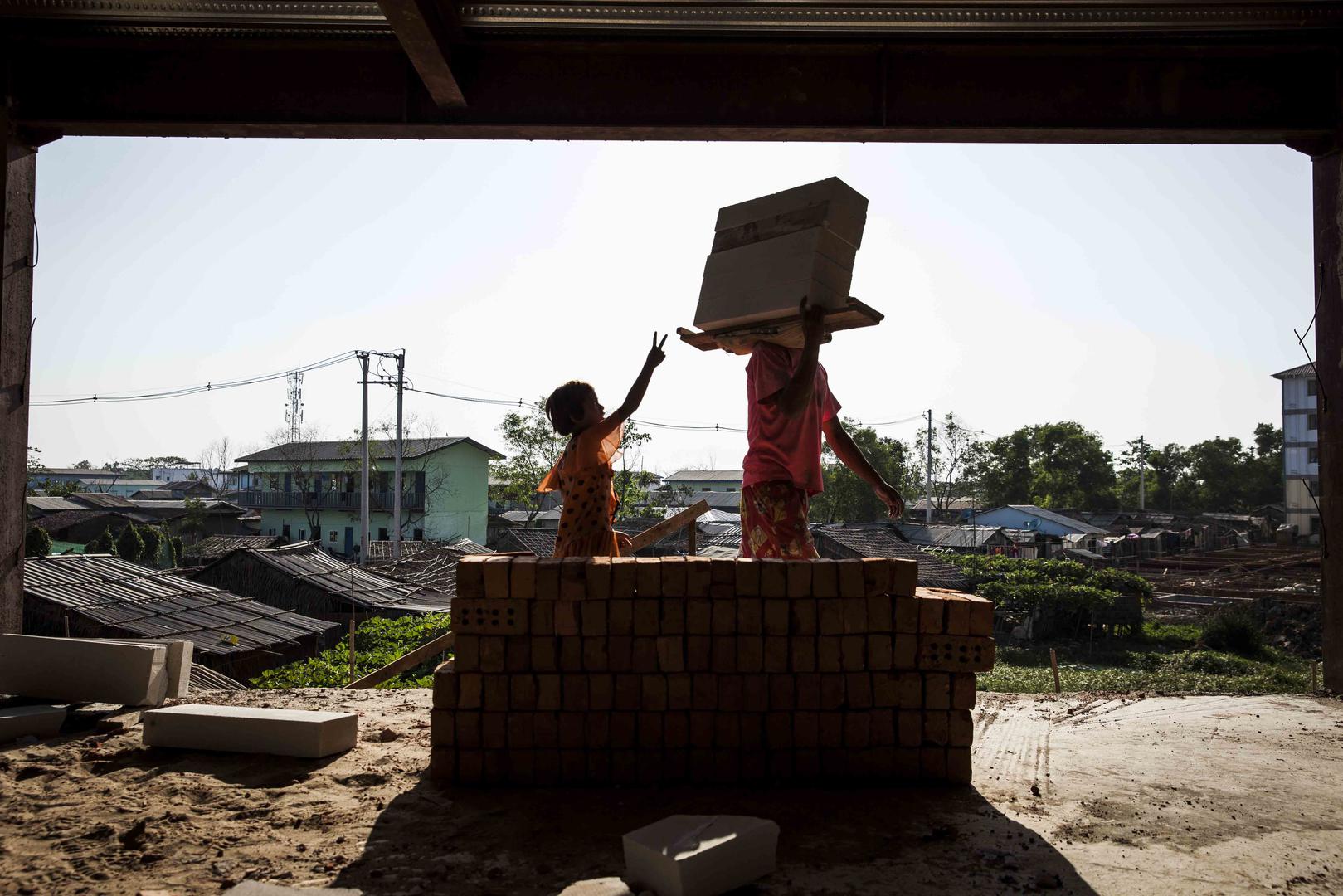
201807asia_burma_myanmarland4

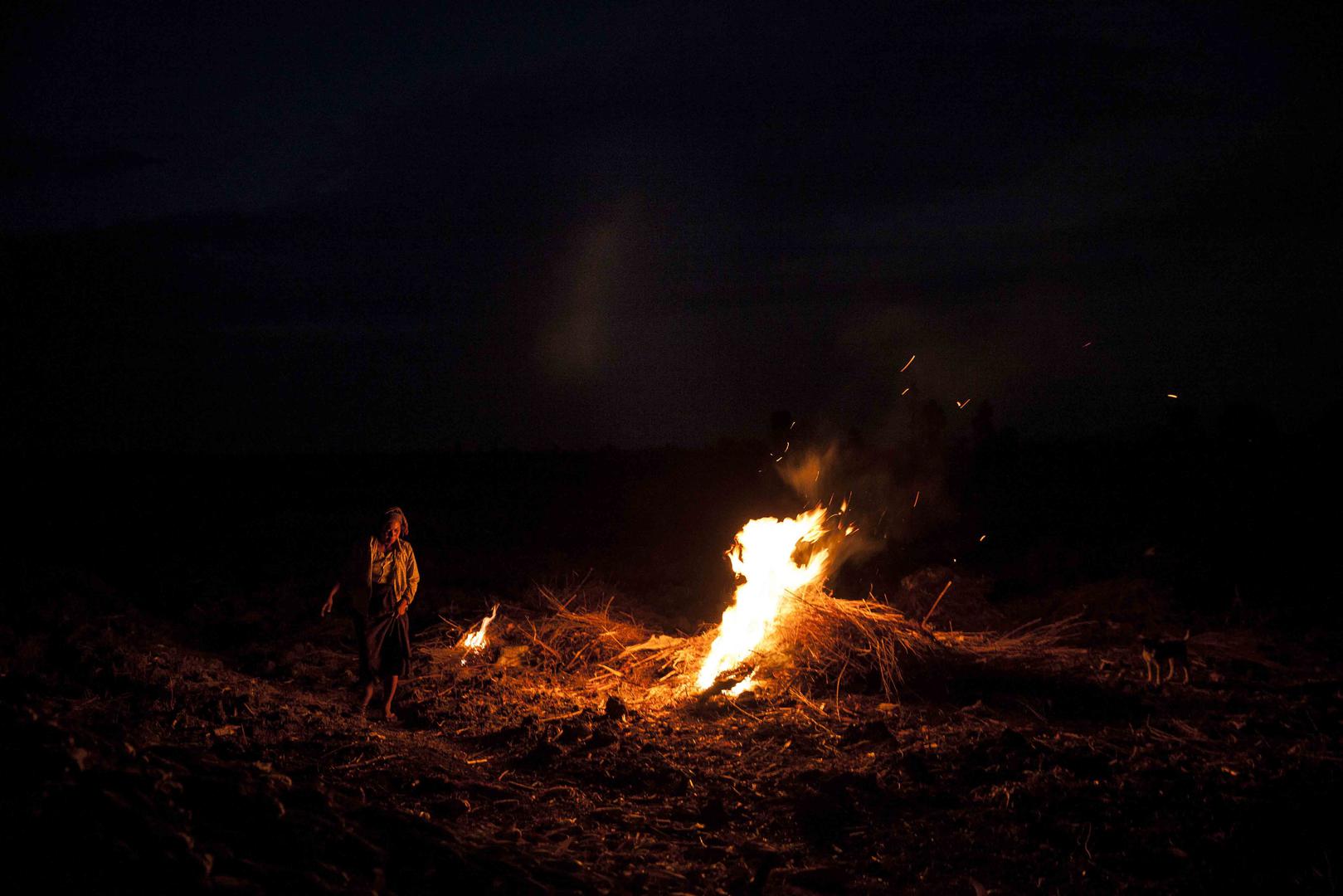
A fire burns in southern Shan State on land the Myanmar military now claims it owns, though local farmers have lived and worked on the land for decades. 

© 2017 Patrick Brown for Human Rights Watch
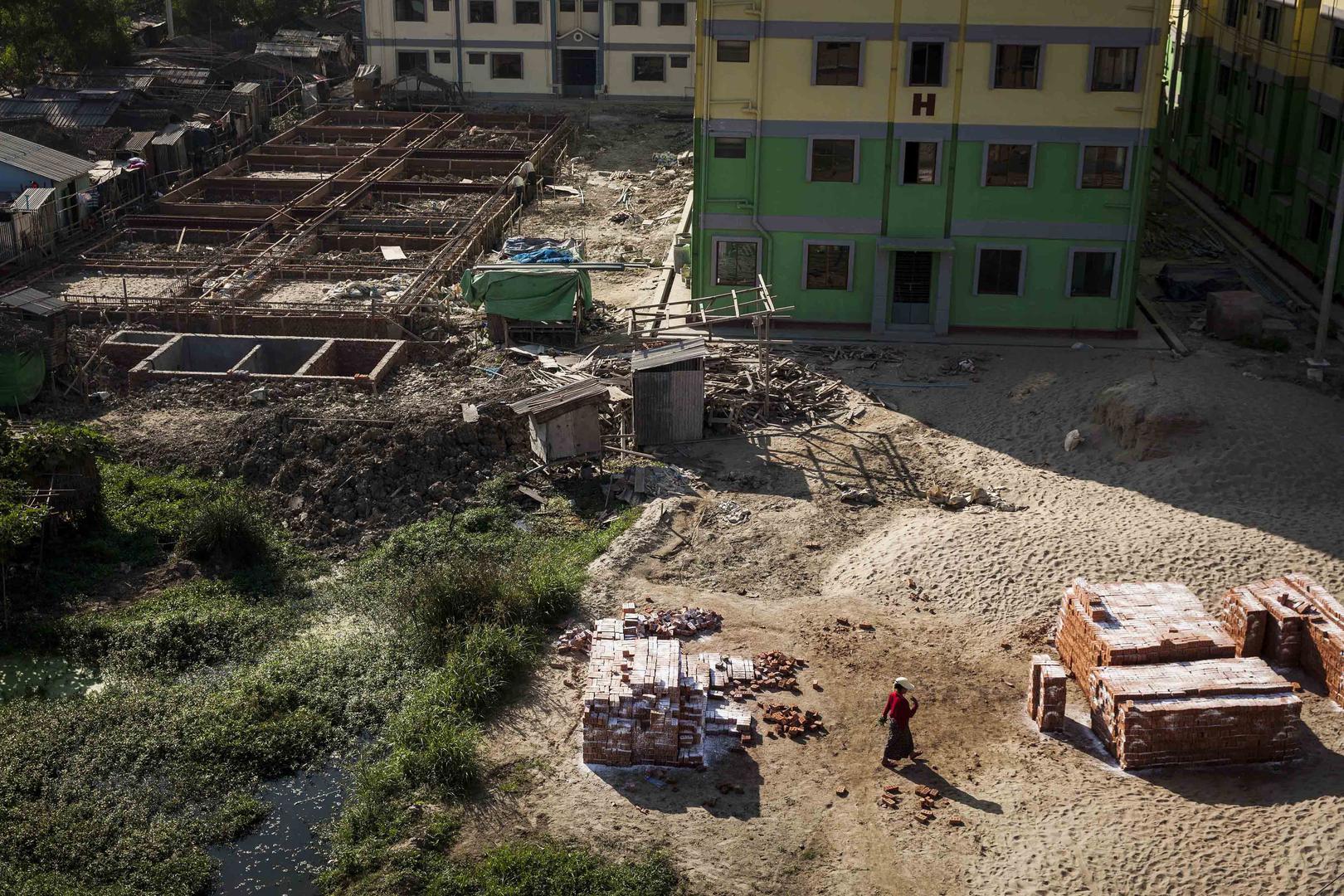
201807asia_burma_myanmarland3

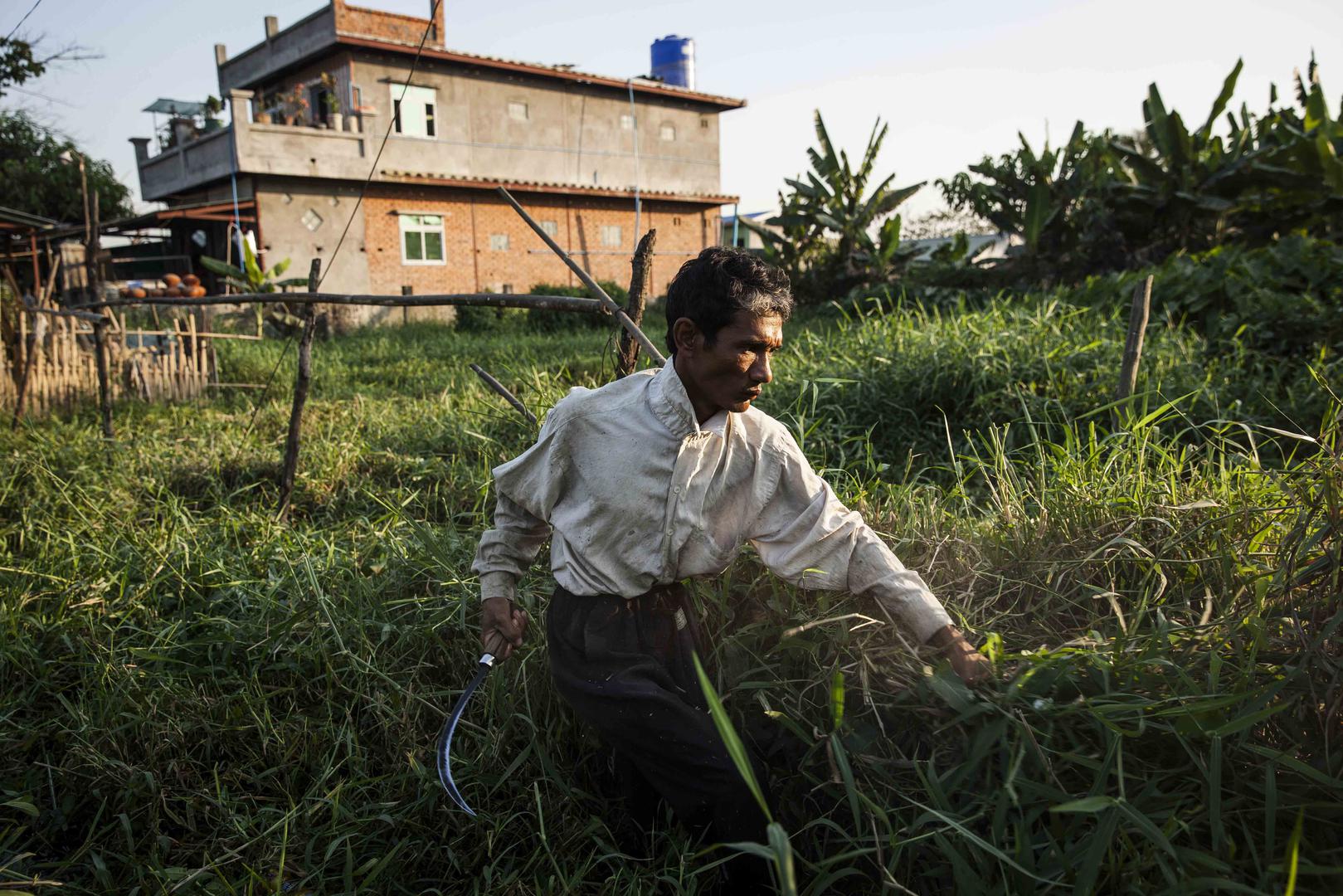
Thein Myint, 44, a farmer from Hlaing Thayar Township in the Yangon Region, had several acres of land taken from his family in 1991 by the State Law and Order Restoration Council (SLORC) military government. The government eventually sold the land his family once farmed, and new owners fenced off the land and built factories and other structures. To support his family, he now collects and sells grass from nearby empty lots, earning no more than a few thousand kyat per day. 

© 2017 Patrick Brown for Human Rights Watch
201807asia_burma_myanmarland2

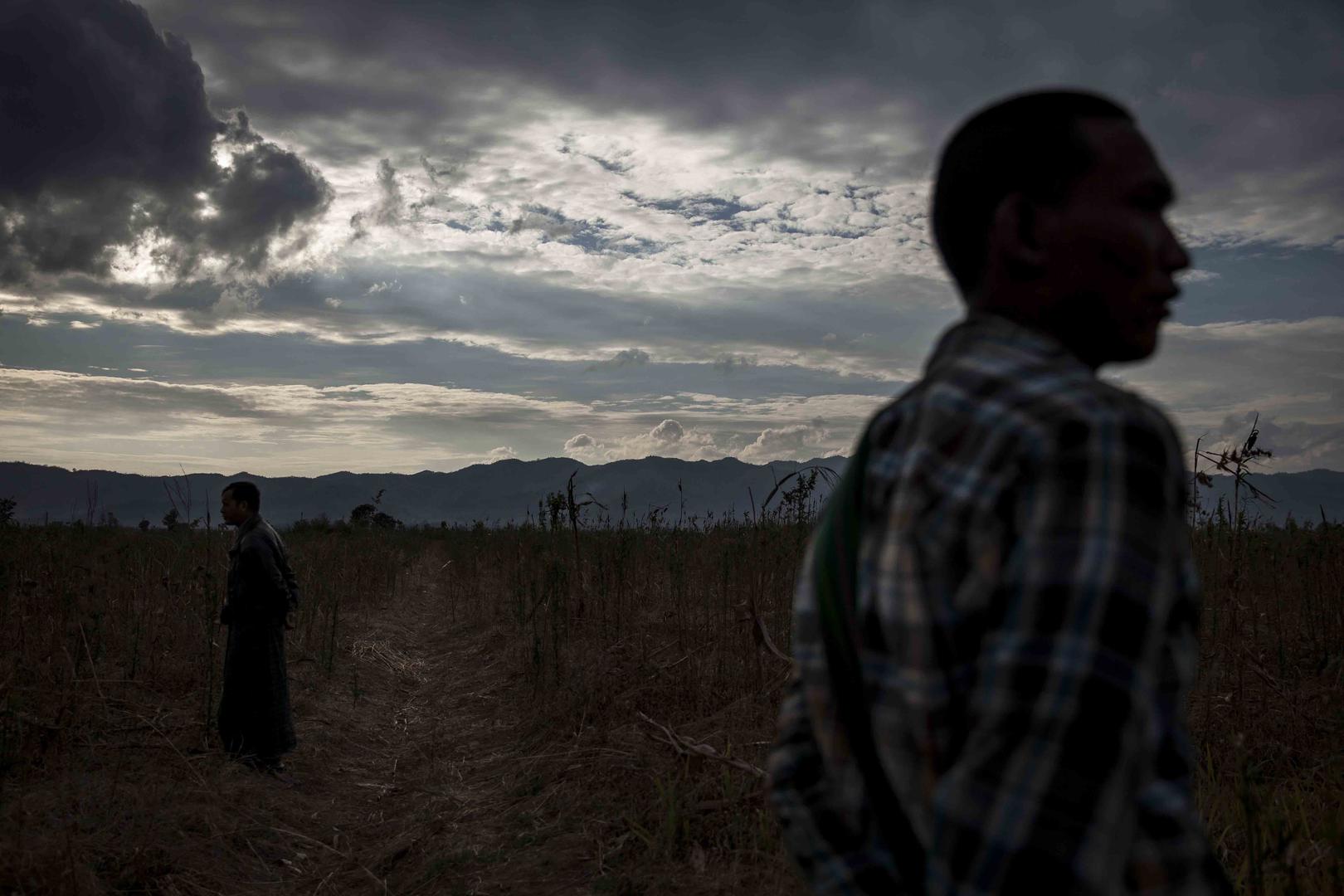
Thein Tun, 41, a farmer from Shan State, was jailed for one month for trespassing on land he says his family has owned for decades. After his release, soldiers threatened to evict him and his family. 

© 2017 Patrick Brown for Human Rights Watch
Land Confiscation in Myanmar

Leave No Girl Behind in Africa
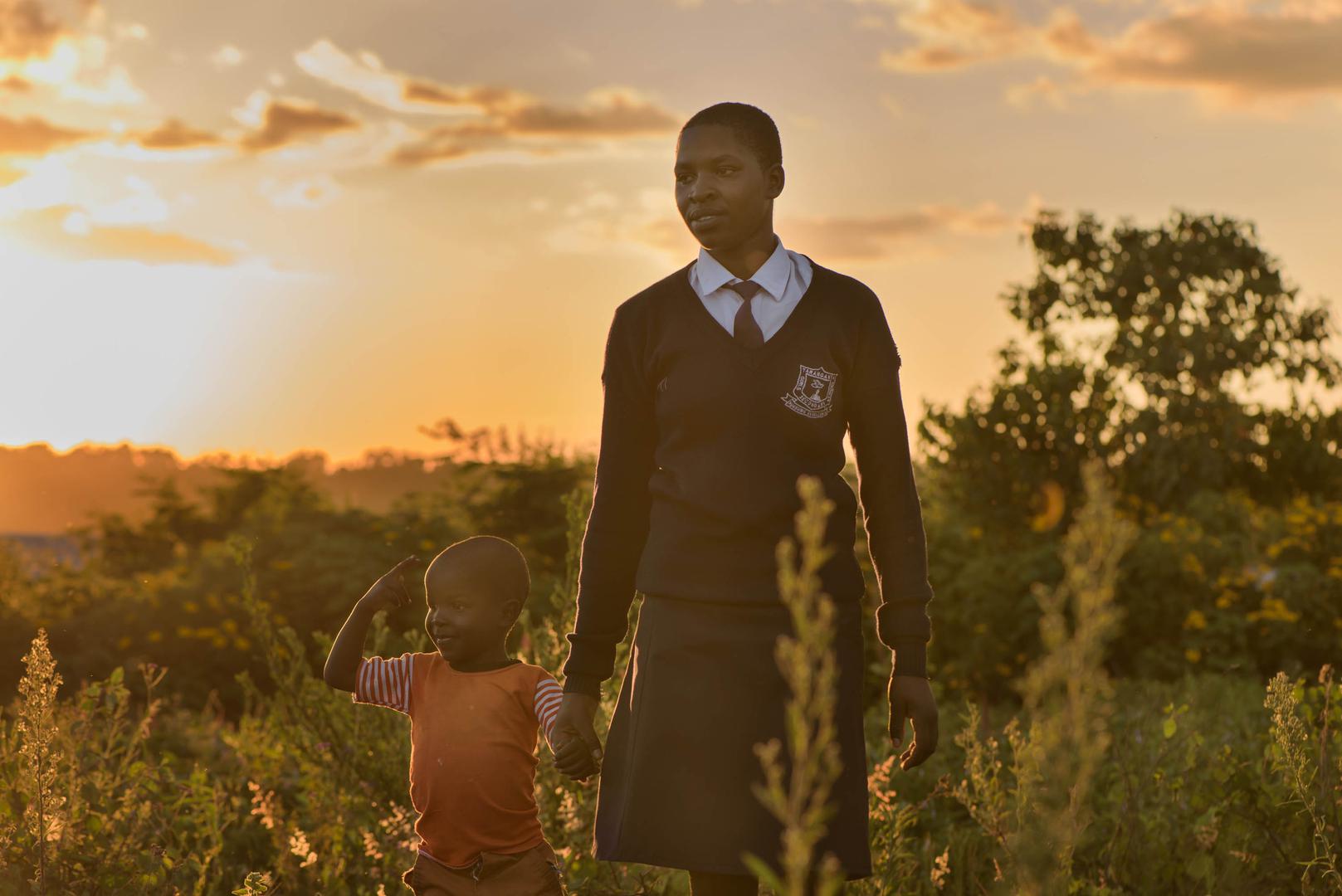
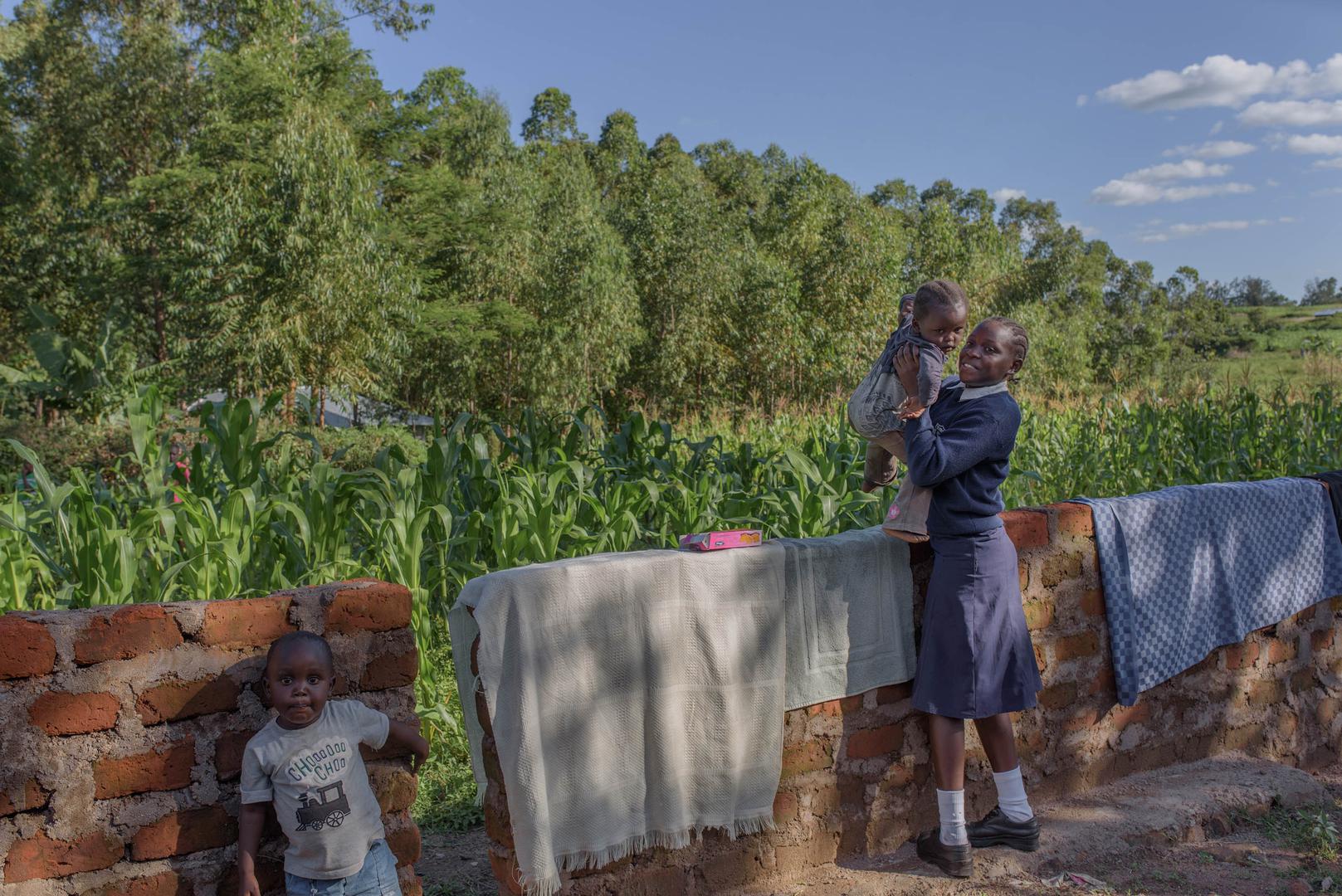
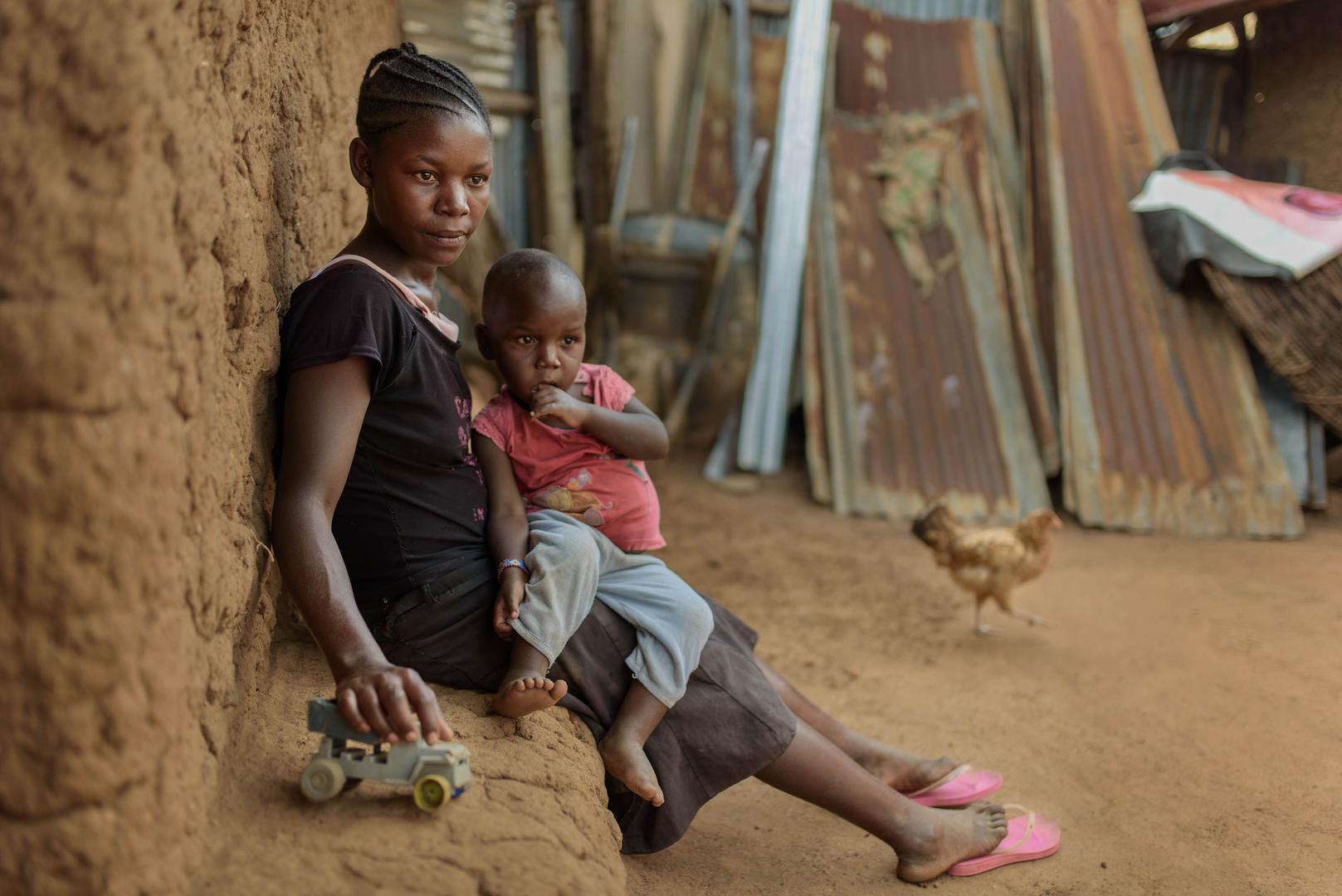
“Evelina,” 17, with her 3-year-old daughter “Hope,” in Migori county, western Kenya. Evelina is in Form 2, the second year of lower secondary school.

“Evelina,” 17, with her 3-year-old daughter “Hope,” in Migori county, western Kenya. Evelina is in Form 2, the second year of lower secondary school. After her baby was born, a friend encouraged her to go back to school. Although Evelina cannot afford to pay school fees, the school’s head teacher allows her to stay in school.

© 2018 Smita Sharma for Human Rights Watch
“Angela,” 20, walks with her son near her home after returning from school in Migori county, western Kenya

“Angela,” 20, walks with her son near her home after returning from school in Migori county, western Kenya. She is a Form 4 student at a girls-only school. Angela became pregnant when her trainee teacher offered to pay some of her primary school fees in return for sex. Her father tried to marry her off to suitors after she gave birth, but Angela’s mother fought against this and supported her return to school. She wants to go to college and study nursing.

© 2018 Smita Sharma for Human Rights Watch
A mural in a lower secondary school in the city of Sédhiou, southern Senegal, promotes abstinence to tackle HIV/AIDS.

A mural in a lower secondary school in the city of Sédhiou, southern Senegal, promotes abstinence to tackle HIV/AIDS. Photograph by Elin Martínez.

© 2017 Human Rights Watch
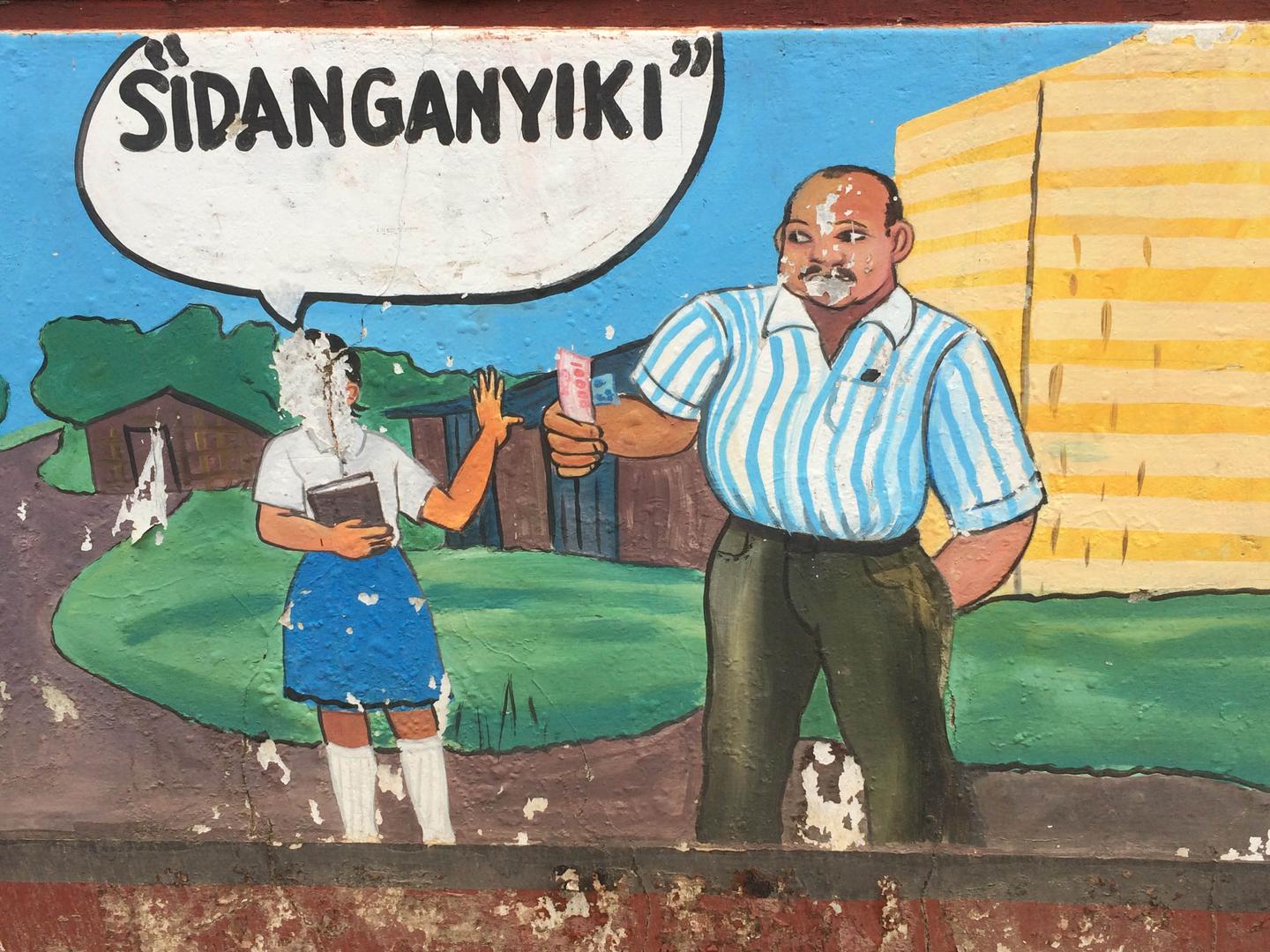
A painting by Rafiki Social Development Organization, displayed outside its office in Kahama district, Shinyanga, Tanzania.

A painting by Rafiki Social Development Organization, displayed outside its office in Kahama district, Shinyanga, Tanzania. The painting aims to create awareness about sexual abuse of girls on their way to schools, and shows a female student refusing to take money from an adult man, saying “Sidanganyiki” or “I cannot be deceived” in Kiswahili. Photograph by Elin Martínez.

© 2016 Human Rights Watch
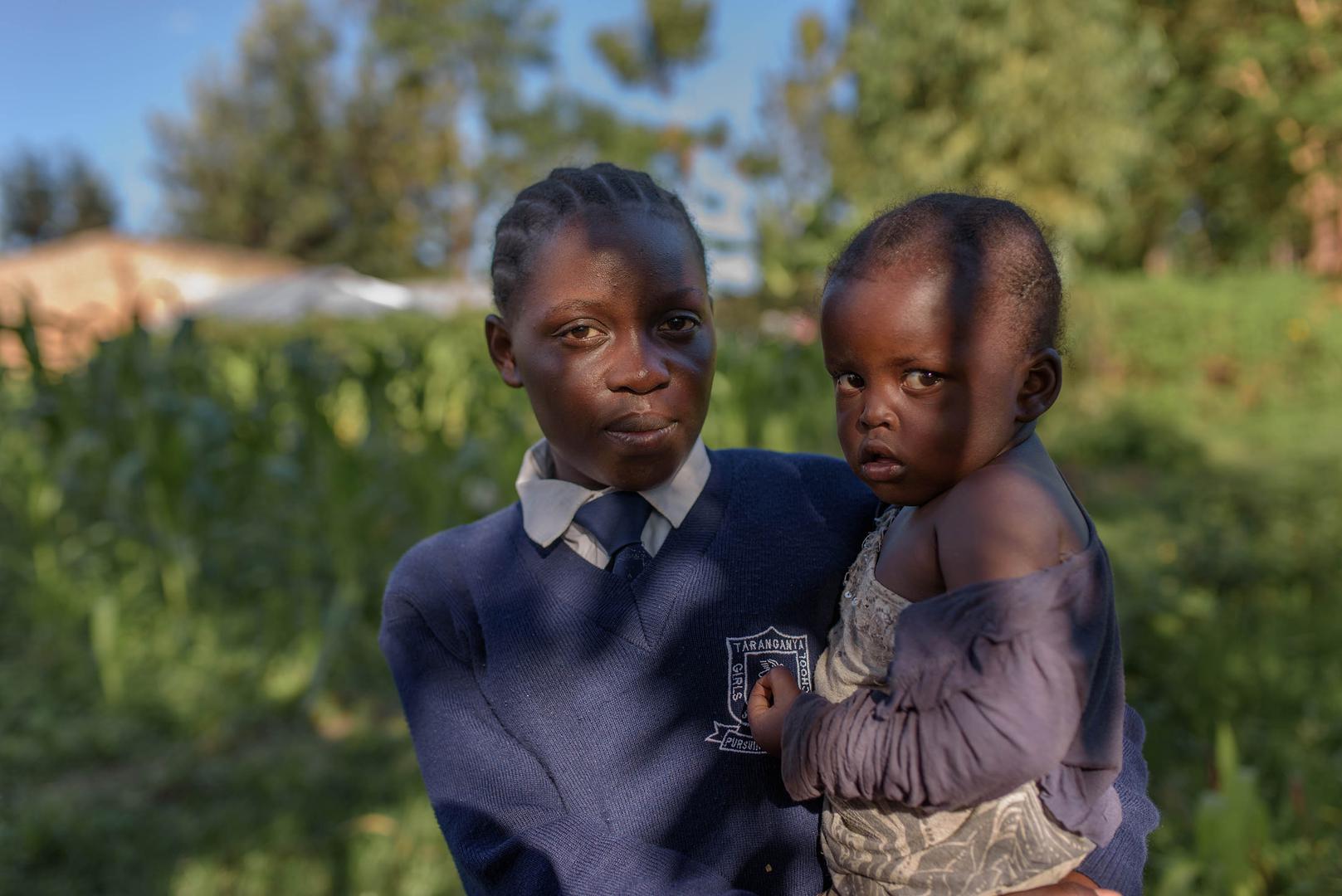
“ Evelina,” 17, from Migori county, western Kenya, dropped out of the first year of lower secondary school when she got pregnant.

“Evelina,” 17, from Migori county, western Kenya, dropped out of the first year of lower secondary school when she got pregnant. She received no information or advice about policies that allowed her to continue going to school while she was pregnant. She wants to continue studying so she can find a job and care for her child.

© 2018 Smita Sharma for Human Rights Watch
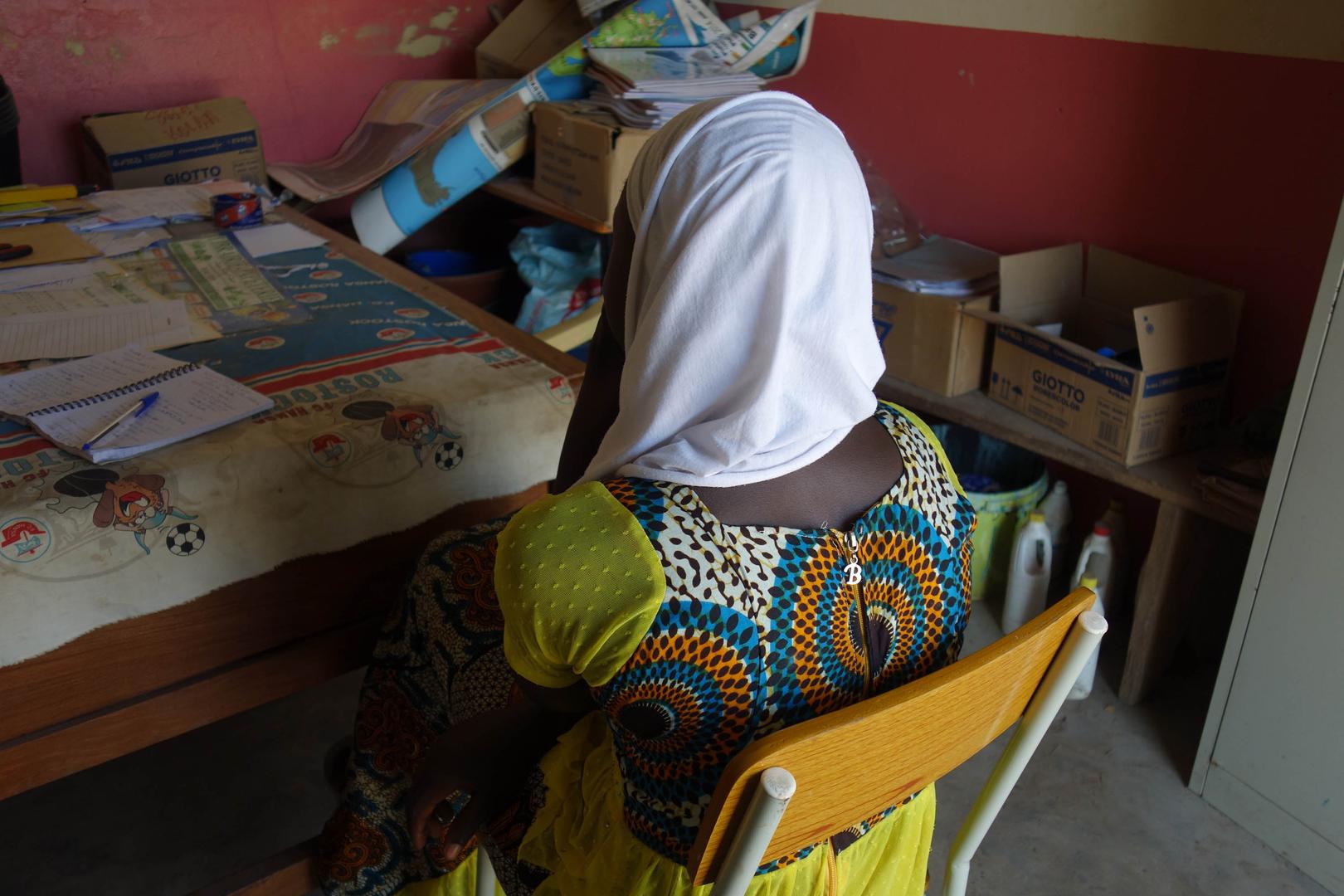
“Ruhiyyeh,” 17, from the city of Kolda, southern Senegal, got pregnant when she was in the final year of lower secondary school.

“Ruhiyyeh,” 17, from the city of Kolda, southern Senegal, got pregnant when she was in the final year of lower secondary school. The school’s principal and a secondary school teacher encouraged her to go back to school after delivery, and now ensure she gets time off when her baby is unwell. Photograph by Elin Martínez.

© 2017 Human Rights Watch
 “Eileen,” 23, dropped out of Form 2, the second year of lower secondary school, at age 17, when her school conducted a pregnancy test and school officials and parents found out she was pregnant.

“Eileen,” 23, dropped out of Form 2, the second year of lower secondary school, at age 17, when her school conducted a pregnancy test and school officials and parents found out she was pregnant. In Tanzania, school officials routinely subject girls to forced pregnancy testing as a disciplinary measure to expel pregnant students from schools. Photograph by Elin Martínez.

© 2016 Human Rights Watch
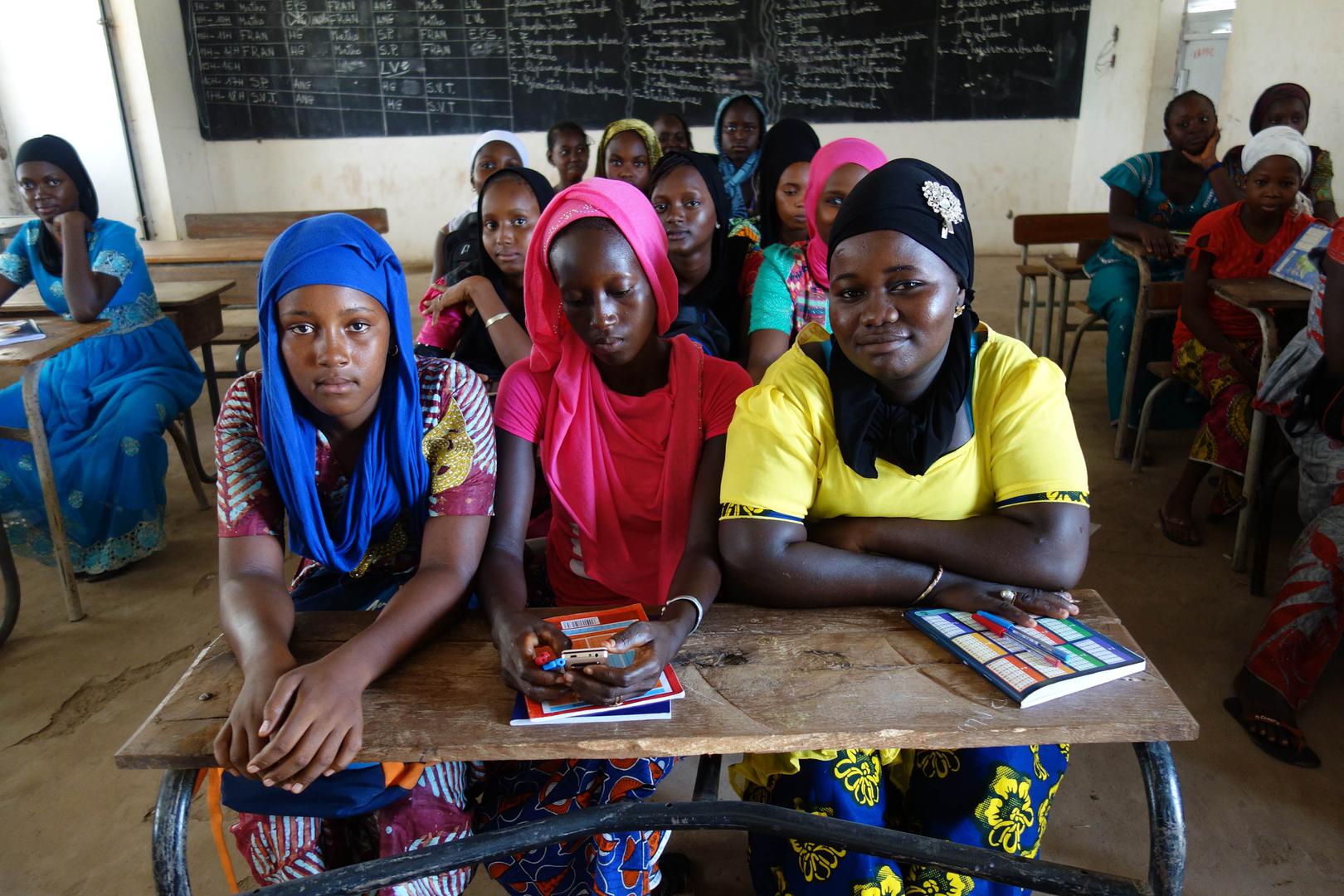
Students enrolled in the final year of lower secondary school in the classroom in a village in Kolda region, southern Senegal. Adolescent mothers and married girls study in this school.

Students enrolled in the final year of lower secondary school in the classroom in a village in Kolda region, southern Senegal. Adolescent mothers and married girls study in this school. Photograph by Elin Martínez.

© 2017 Human Rights Watch
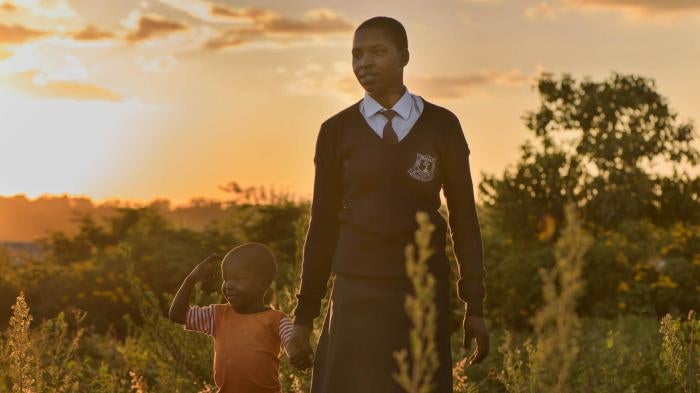
“Harriet,” 17, from Migori county, western Kenya, dropped out of the first year of lower secondary school when she got pregnant.

“Harriet,” 17, from Migori county, western Kenya, dropped out of the first year of lower secondary school when she got pregnant. She received no information or advice about policies that allowed her to continue going to school while she was pregnant. She wants to continue studying so she can find a job and care for her child.

© 2018 Smita Sharma for Human Rights Watch
Leave No Girl Behind in Africa

Protecting Rights, Saving Lives

Human Rights Watch defends the rights of people in close to 100 countries worldwide, spotlighting abuses and bringing perpetrators to justice
Donate Now

Connect With Us

  • BlueSky
  • X
  • Facebook
  • YouTube
  • Instagram
  • LinkedIn
  • TikTok

Footer menu

  • Contact Us
  • Corrections
  • Privacy Policy
  • Permissions
  • Site Map
  • Child Safeguarding
  • Text Version
© 2026 Human Rights Watch
Human Rights Watch | 350 Fifth Avenue, 34th Floor | New York, NY 10118-3299 USA | t 1.212.290.4700

Human Rights Watch is a 501(C)(3) nonprofit registered in the US under EIN: 13-2875808

Human Rights Watch