Afghanistan
25 Years Since the US-Led Invasion
On October 7, 2001, the United States, later joined by coalition forces, launched Operation Enduring Freedom, an air and ground campaign in Afghanistan in response to Al-Qaeda’s September 11 attacks on the US. Al-Qaeda had been using Afghanistan as a base of operations, sheltered by the Taliban government. By December 2001, the US had ousted the Taliban and brokered an agreement with various Afghan militias to establish an interim government. The fighting continued until the withdrawal of US and other international forces and the Taliban’s recapture of Kabul in August 2021.
This feature compiles Human Rights Watch reporting on international human rights and humanitarian law issues by all parties during the conflict and the continuing need for accountability.
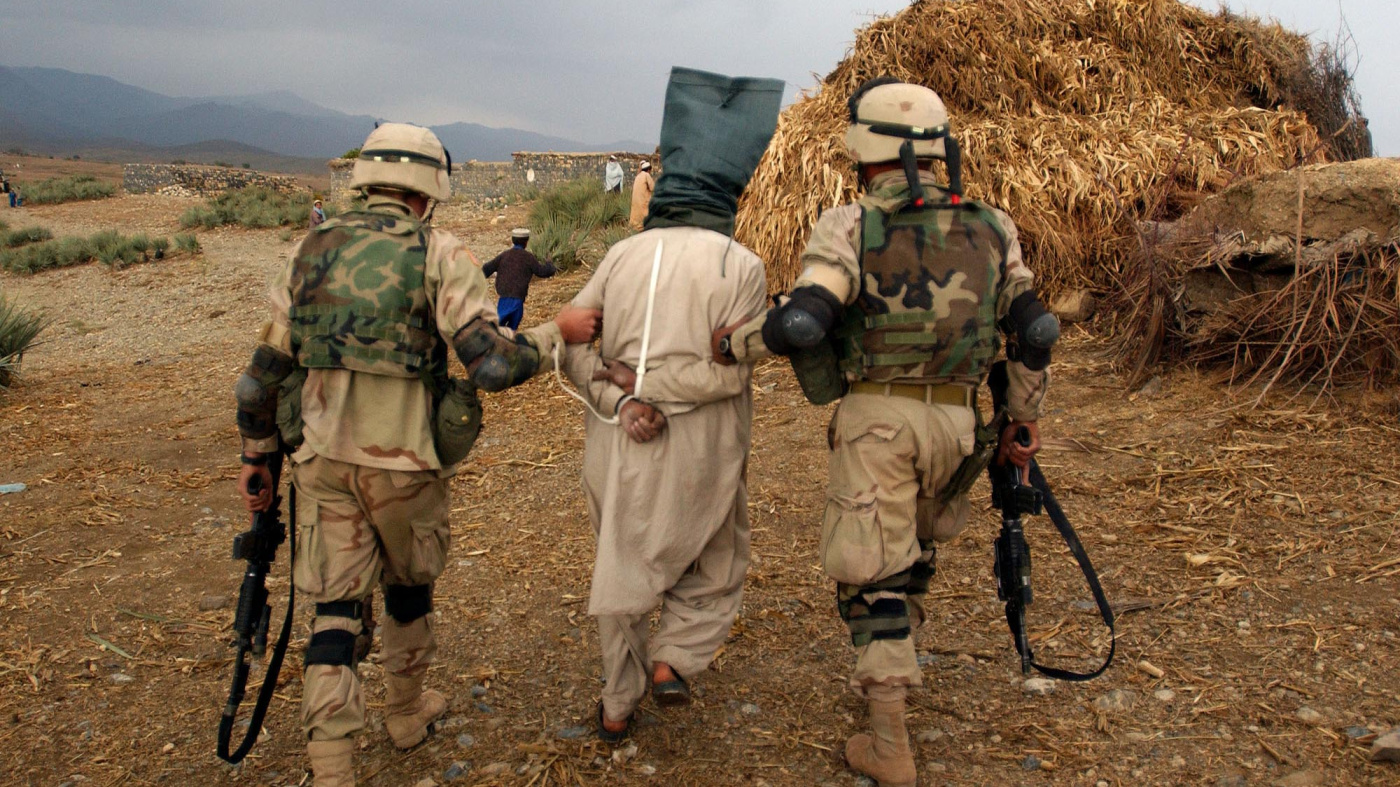
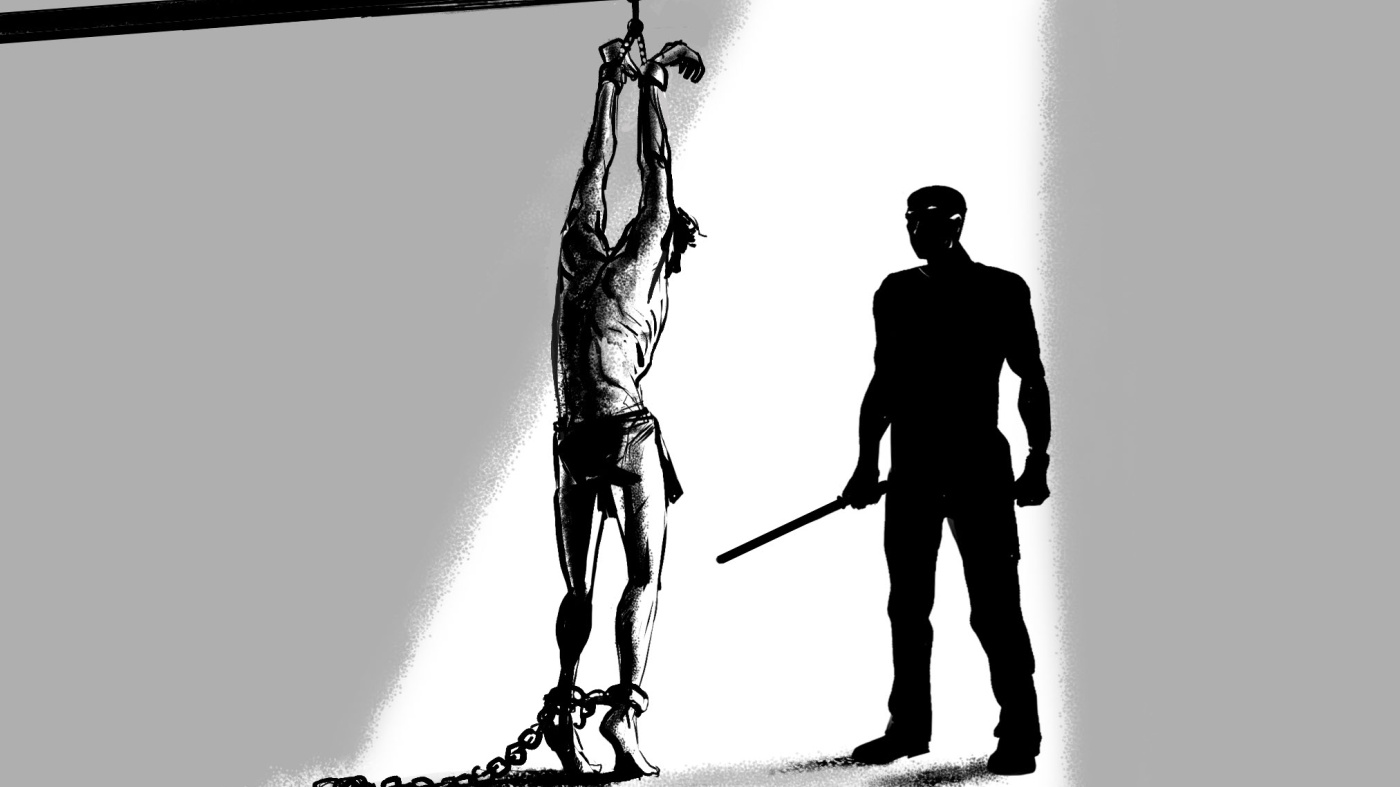
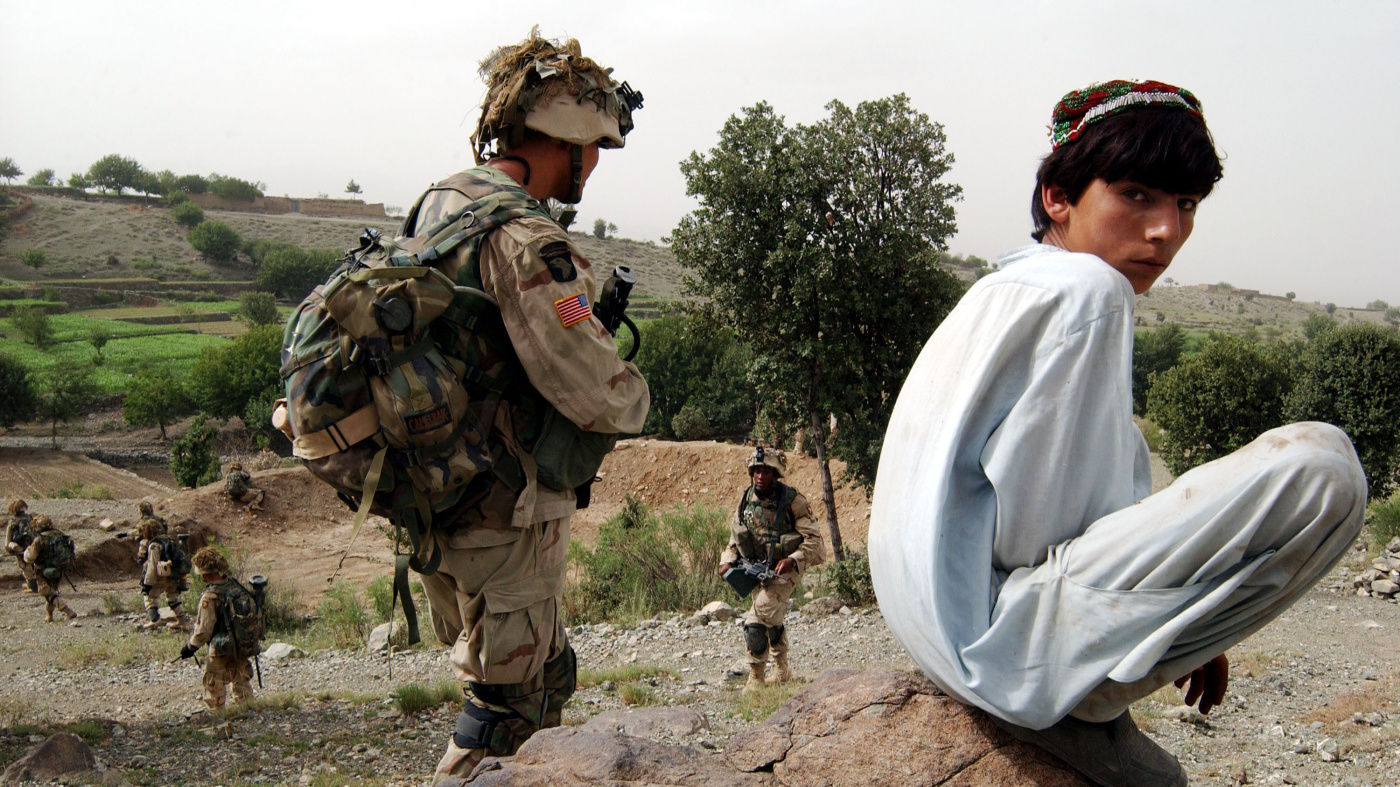
After the US-led invasion, US officials authorized the use of methods amounting to torture and extraordinary renditions – the abusive and covert abduction, transfer, and detention of individuals from one country to another. After the ouster of the Taliban government, US forces in Afghanistan arbitrarily detained civilians, used excessive force during arrests, and held detainees without access to legal counsel or family. Tens of thousands of men were detained, many of whom were subjected to abuse that included waterboarding, beatings, sleep deprivation, and mock executions. Many were released after months or years without ever being charged with any crime.
As the war entered its fifth year, reports of torture continued, including the US Central Intelligence Agency’s (CIA) use of “black sites”—secret detention facilities where detainees were held incommunicado. At least six detainees died in US custody in Afghanistan between 2002 and 2005, five of which were ruled homicides. However, no US personnel were ever prosecuted for homicide in any of these deaths. US officials consistently failed to adequately investigate reported incidents of torture, with inquiries often closed prematurely or stalled without resolution.
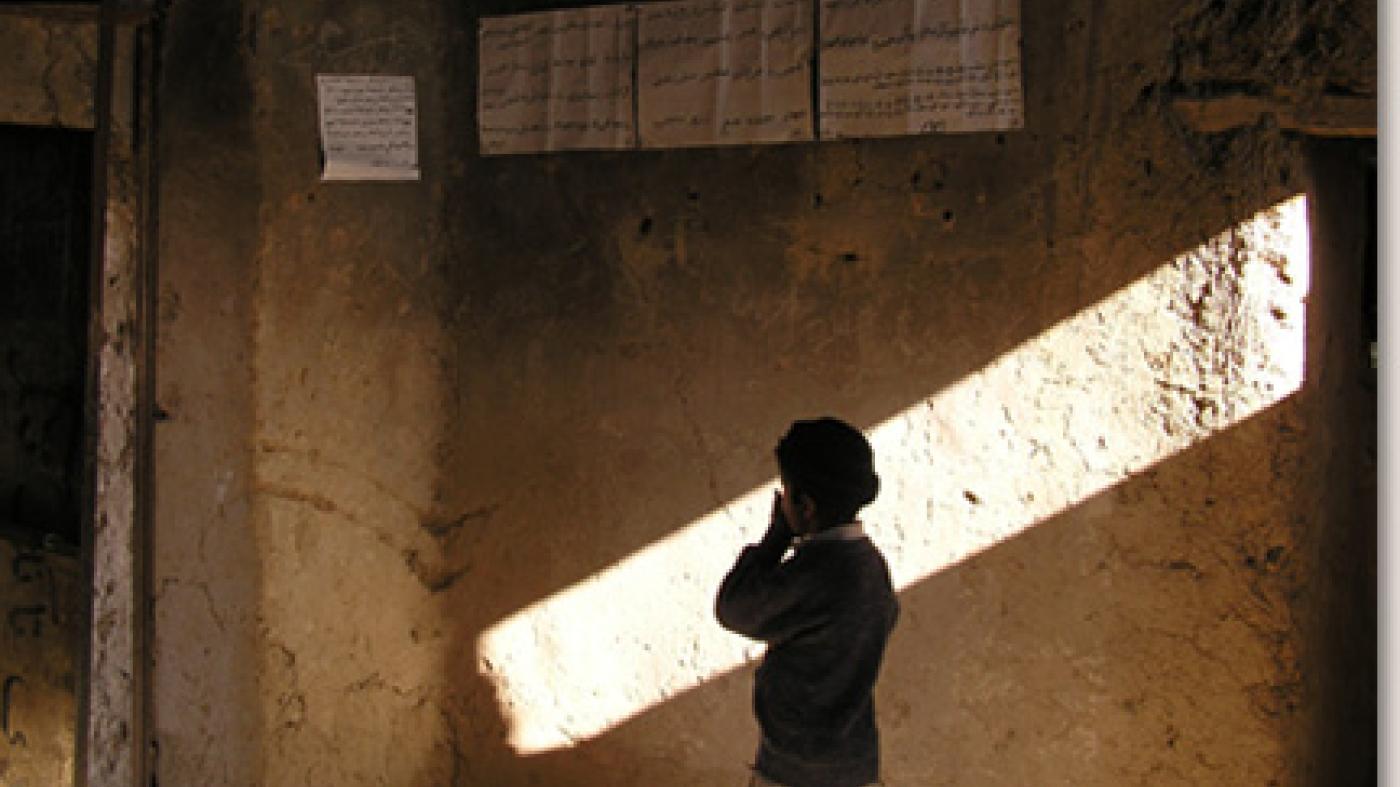
A Taliban insurgency emerged from about 2004 and carried out numerous attacks on Afghan civilians and civilian infrastructure, as well as on military targets. Taliban forces assassinated civilian government officials, including senior women in public office, killed aid workers, and carried out attacks on hundreds of girls’ schools between 2005 and 2010, forcing many to close. From 2006, civilian casualties by insurgent forces rose sharply as Taliban suicide attacks increasingly targeted hotels, embassies, UN facilities, and densely populated areas, including sites frequented by foreigners in Kabul and other major cities. The Taliban also targeted election workers and voters.
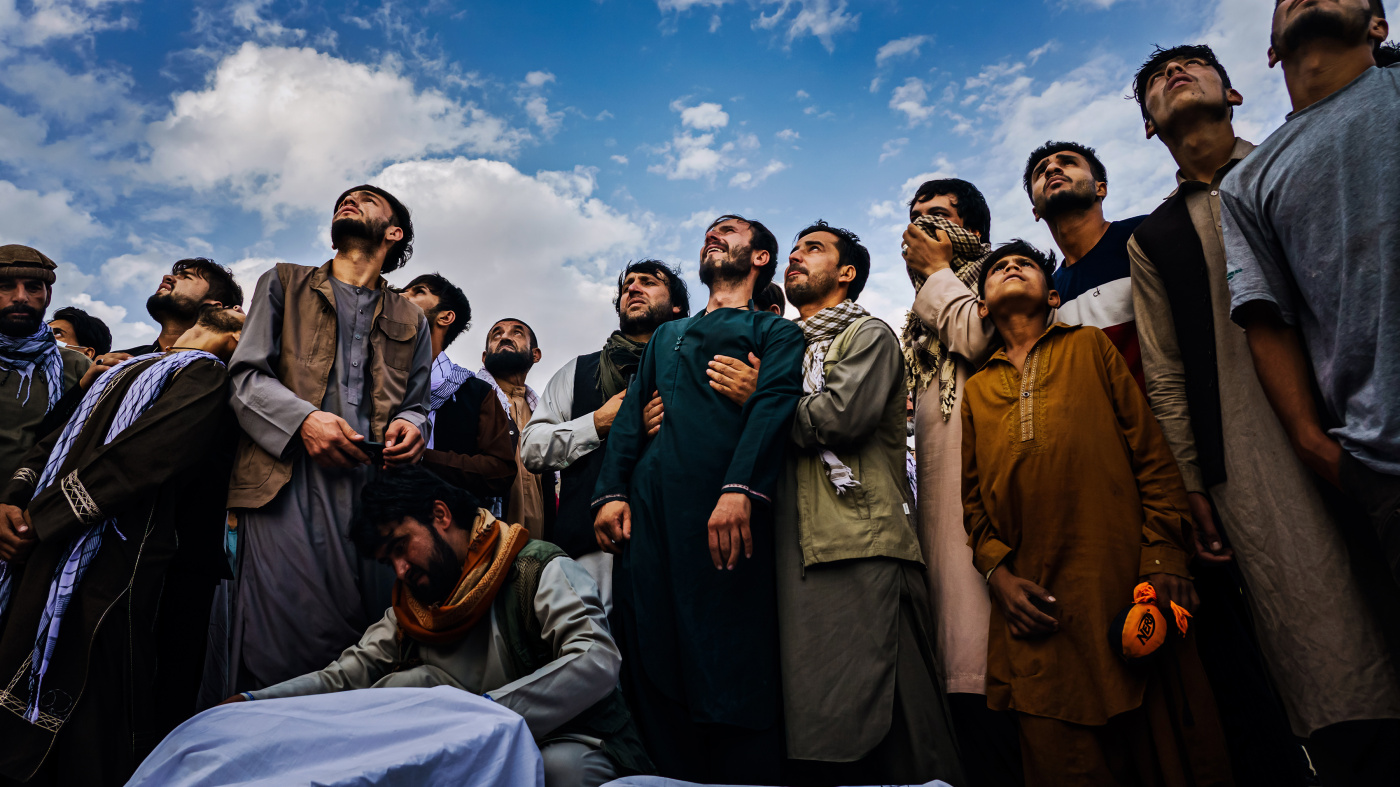
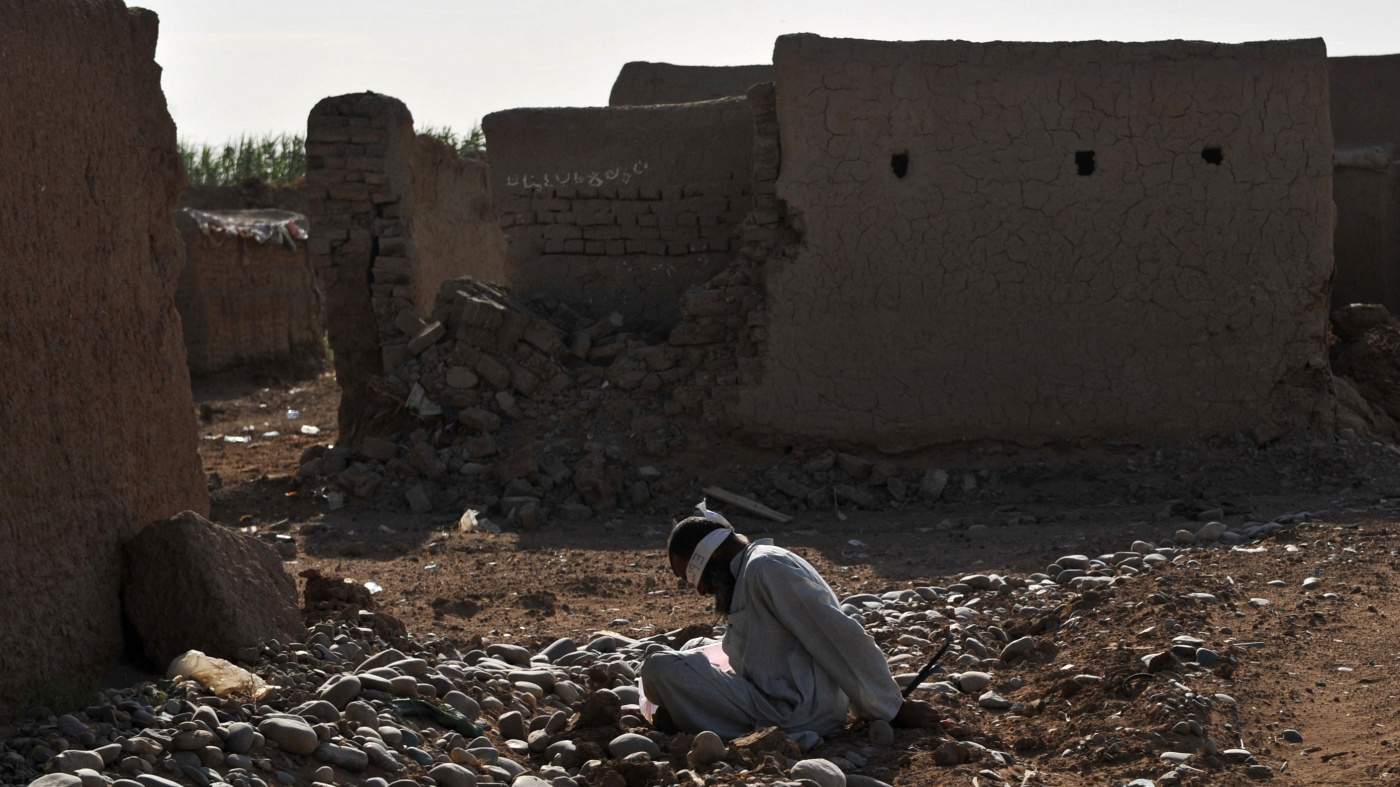
US airstrikes caused hundreds of civilian deaths and injuries during the conflict, often because faulty intelligence led to attacks targeting civilian homes and cars, as well as wedding parties and funerals. From 2006 to 2007, civilian deaths nearly tripled. Most deaths occurred in unplanned airstrikes carried out in support of “troops in contact” – ground troops who were under attack or in pursuit of insurgent forces, and in air attacks where US “anticipatory self-defense” rules of engagement applied.
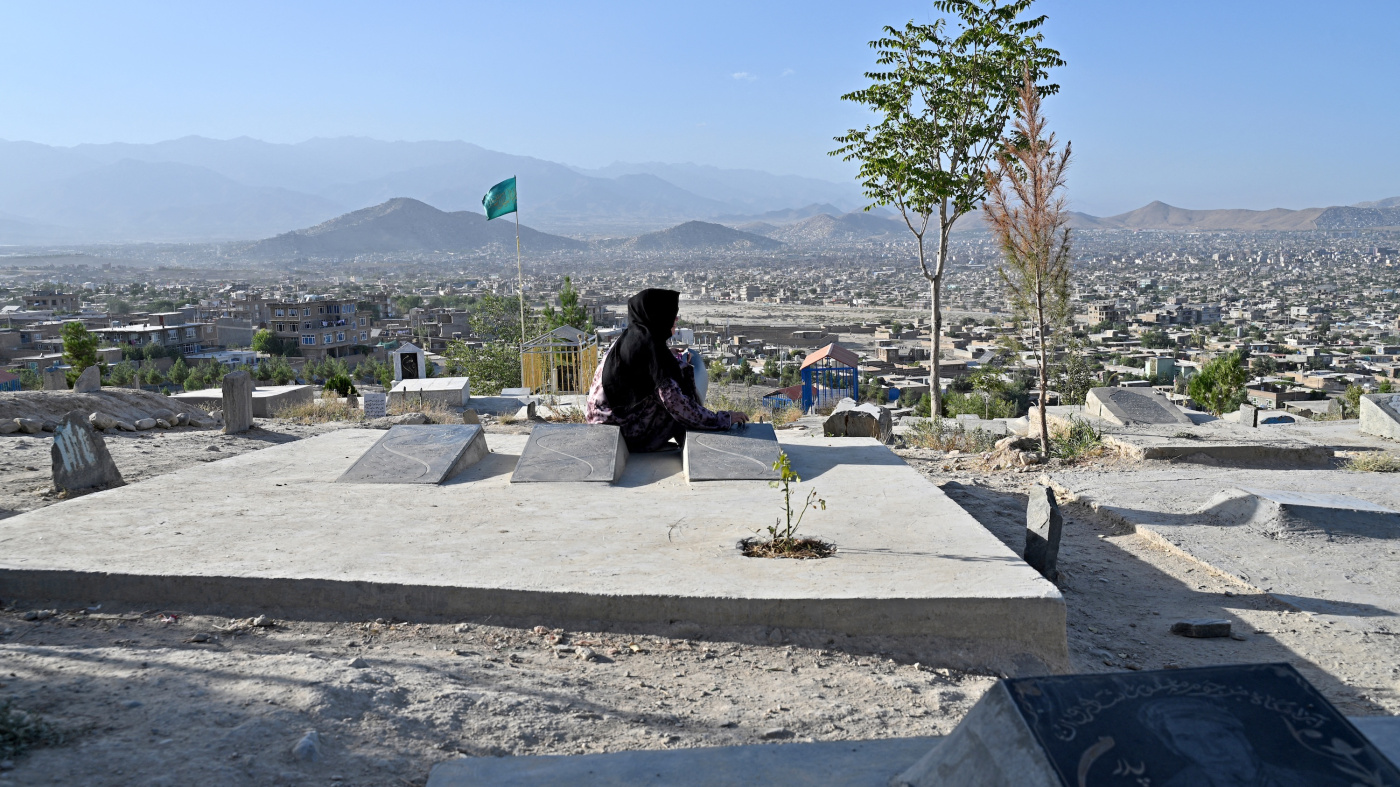
In one such case in May 2009, US planes struck a village in Farah province, killing over 100 civilians, including over 60 children. On October 3, 2015, a US helicopter gunship struck a Doctors Without Borders (MSF) hospital in Kunduz, killing 42 patients, caregivers, and medical staff, and injuring dozens more. The US military acknowledged that personnel involved failed to comply with the laws of war but did not pursue a war crimes prosecution because there was no criminal intent, which Human Rights Watch disputed.
US investigations into these incidents often lacked transparency, and a faulty condolence payment system meant that survivors did not receive timely or adequate compensation. After the Pentagon imposed new restrictions on targeting, civilian casualties fell, but surged again after these were loosened in 2017.
US-backed strongmen, including the Kandahar police chief and local militias, were responsible for a range of abuses against civilians and detainees, including summary executions, rape and hundreds of enforced disappearances. Corruption also undermined efforts to build rights-respecting judicial and security institutions.
In early 2016, insurgent groups in Afghanistan sharply escalated their attacks in Kabul and other major urban areas, killing and injuring thousands of civilians in suicide and IED attacks. An Islamic State affiliate, which emerged in Afghanistan in 2015, targeted dozens of Shia mosques as well as schools and hospitals in minority neighborhoods. After 2019, attacks by both groups increasingly targeted journalists and judicial officials, including women judges.
The emergence of CIA-run militias run by the Afghan intelligence agency led to an increasing number of civilian deaths and extrajudicial executions from about 2014 on. These forces, known as Zero Units, were funded by the CIA to carried out search operations for suspected insurgents. They unlawfully killed civilians during night raids, forcibly disappeared detainees, and attacked healthcare facilities for allegedly treating insurgent fighters. Because Zero Units operated outside regular chains of command, there were no investigations into allegations of abuse against them and no accountability.
In March 2020, International Criminal Court (ICC) judges greenlit an investigation by the court’s prosecutor into possible war crimes and crimes against humanity in Afghanistan since May 1, 2003, including by the Taliban, the Islamic State, former Afghan government forces, and the US military and CIA. Under the first Trump administration, the US imposed sanctions on the then-ICC prosecutor, Fatou Bensouda, and other officials. The sanctions were lifted under the Biden administration. Following the US withdrawal from Afghanistan and the Taliban retaking power in 2021, the then-ICC prosecutor Karim Khan prioritized alleged crimes committed by the Taliban and Islamic State. These investigations led in 2025 to the issuance of ICC arrest warrants for two senior Taliban leaders on charges of gender persecution. Crimes by other parties have not publicly progressed.
Over 25 years, meaningful political dialogue has been rendered nearly impossible by widespread abuses by US forces that helped fuel recruitment by the Taliban, and Taliban abuses particularly against women, civil society and the media. Successive US administrations largely perceived human rights as more of an obstacle to its military objectives rather than an essential component of a durable and rights-respecting peace in Afghanistan.
In October 2025, advocacy by over 100 Afghan and international human rights groups resulted in the United Nations Human Rights Council adopting a resolution for the establishment of a comprehensive UN accountability mechanism for Afghanistan, with a mandate to investigate both past and ongoing crimes by all sides. The groups’ call was clear: all victims of abuses should have equal access to justice, regardless of who was responsible. The consensus resolution sent a powerful message that US failures on accountability and its double standards for justice faced growing international resolve to bring those responsible for international crimes to account.