



August 16, 2026
Australia: Chinese Government Menaces Uyghur Diaspora
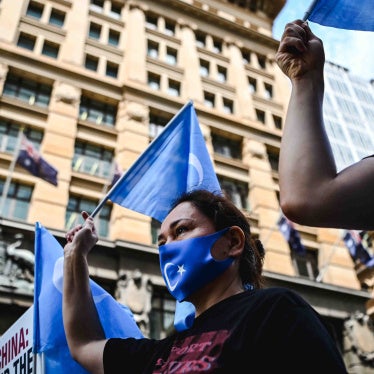
Visitors to Xinjiang Pressed to Monitor Activists, Australia’s Uyghur Language Schools
Under President Xi Jinping, the Chinese government has sharply escalated systemic repression at home and abroad. Authorities arbitrarily detain human rights defenders, tightly control civil society, media, and the internet, and deploy invasive mass surveillance technology. The government imposes particularly heavy-handed control in Xinjiang and Tibet. In Xinjiang, nearly a decade after mass arbitrary detention and cultural persecution of a million Uyghurs and other Turkic Muslims—amounting to crimes against humanity—there remains no accountability. In Tibet, authorities continue to impose strict controls on movement, religion, language, and access to information. Hong Kong’s once-robust freedoms have been dismantled under a sweeping national security regime.
The Chinese government also conducts transnational repression, harassing and silencing critics, diaspora communities, and activists abroad. Chinese diplomats act to mute criticism of the government’s human rights record and to weaken UN human rights bodies.
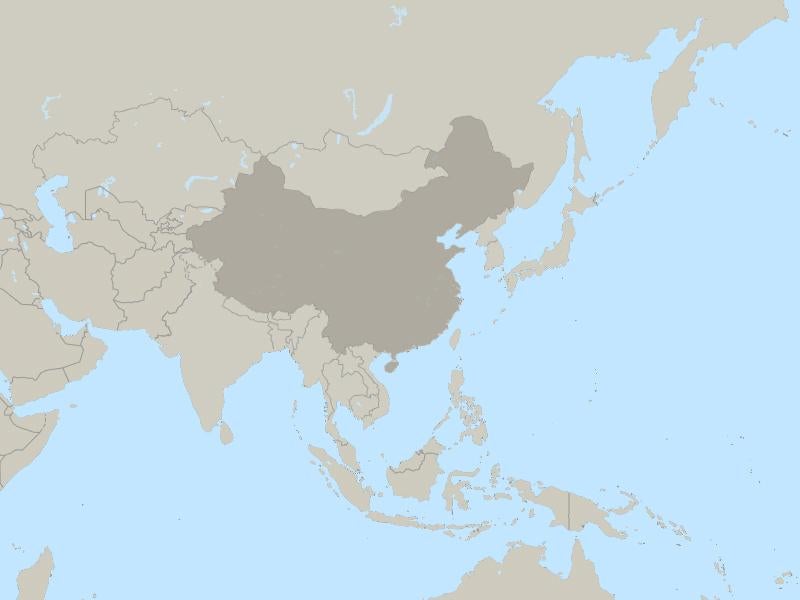

Visitors to Xinjiang Pressed to Monitor Activists, Australia’s Uyghur Language Schools
Vatican Agreement with Beijing on Bishops Facilitates Crackdown


EU leaders have an opportunity to stop treating repression as a side issue and instead make human rights more central to their engagement with China

Cases of Cruelty Galvanize Country’s Young People

City’s Two Oldest Independent Bookstores Barred from Annual Book Fair

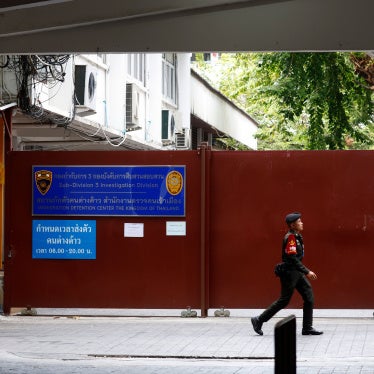
At Least 4 Critics of Beijing at Risk as Thai Prime Minister Visits China
6 Years After National Security Law Imposed, Accountability Suffers
Deepening Repression Restricts Expression, Association for LGBT People

Beijing, Moscow Targeting Key UN Posts

Endorsement of New ILO Treaty Means Little Unless Workers Can Organize