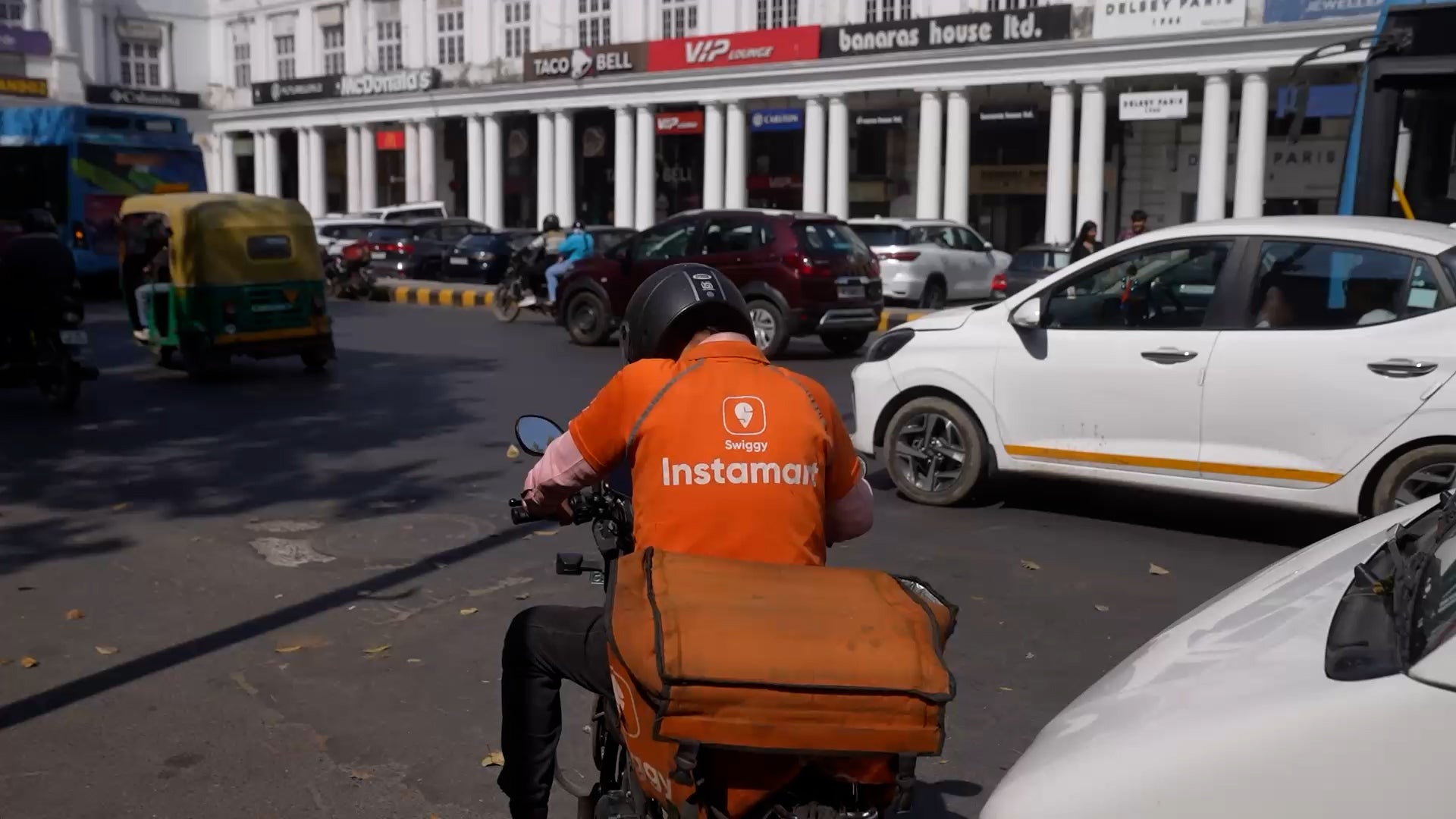
Across the world, hundreds of millions of people find work through digital labor platforms — driving passengers, delivering food and packages, cleaning homes, or completing jobs arranged through an app.
Algorithms of Exploitation

The International Labour Organization estimates that “gig” or “platform” work – where tasks are assigned and managed remotely through apps and platforms – grew by 90 percent between 2016 and 2021. The World Bank estimates that as many as 435 million people worldwide now earn income through labor platforms. The scale of this shift is visible across regions. In the European Union, the European Council estimates that 43 million people engaged in platform work in 2025, a 52 percent increase since 2022. In Mexico, an estimated 1.2 million people work through platforms; in Kenya, 1.5 million; and in India, around 12 million.
The companies behind these apps often organize and control this work by using algorithms to assign tasks, set pay, evaluate performance, and even fire workers. They track workers’ movements in real time, reward high ratings and fast completion times, and prompt workers to respond on demand.
For the companies that built these systems, the model promises high returns and low risk. But for workers, digital platforms have rewritten the rules of work, shifting the cost and risk of doing business onto the workers themselves while limiting their control over earnings and working conditions.
The rules governing platform work are drawing increased scrutiny and are now the subject of debate. Governments, workers, and companies are negotiating the first global standards on platform work at the International Labour Organization, while national governments are beginning to set their own guardrails.
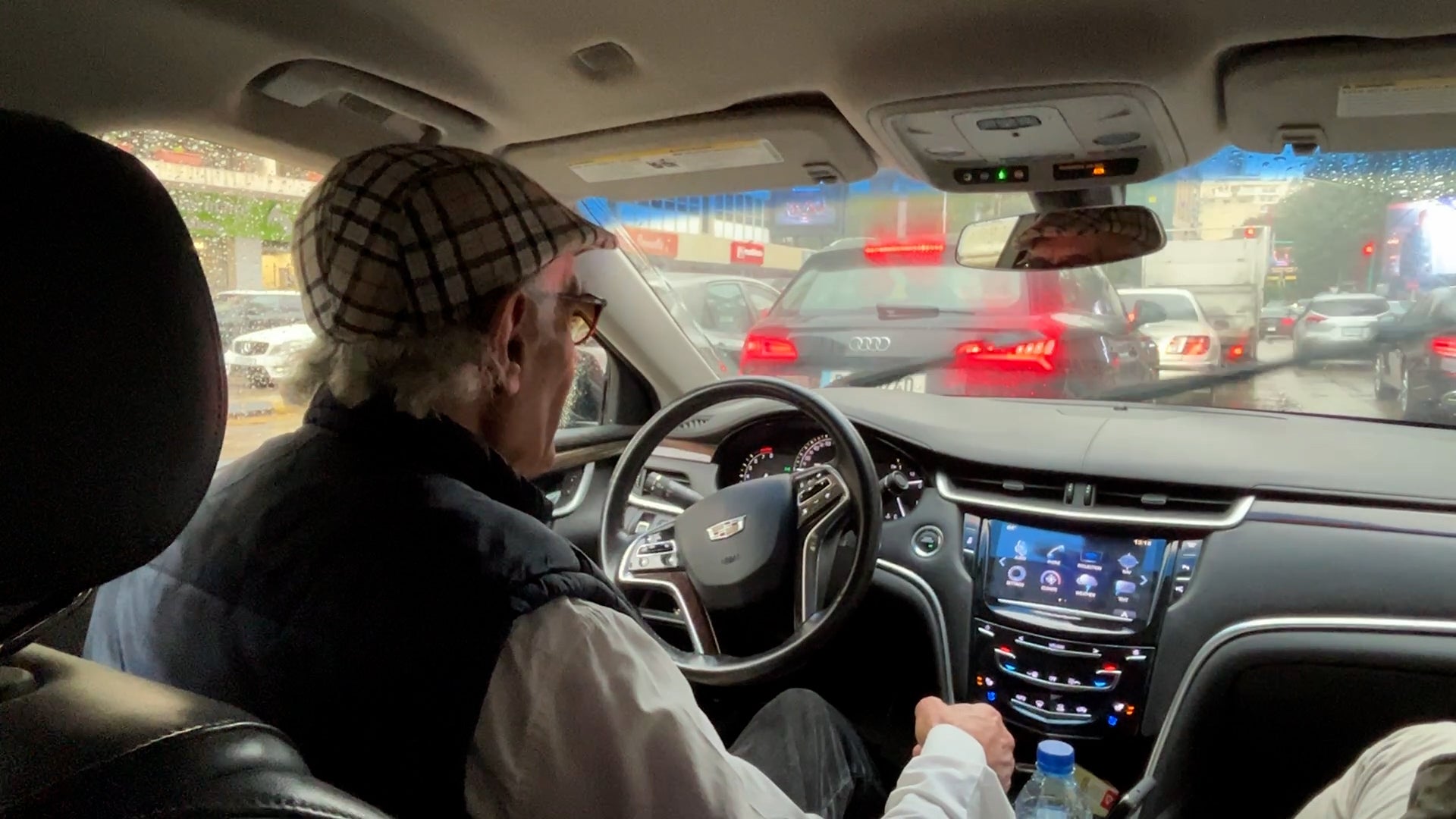
Apraham, 74, has worked as a driver in Beirut for many years, first for a car service company that provided a stable salary, commission, and company-owned vehicles. In 2015, when Uber entered the market, that company closed, and he began driving for the platform as one of their first drivers in the country.
But the conditions with Uber were different: no steady salary, no predictable commissions, and he had to provide his own car. At first, he said, the work still paid well. But as driver numbers grew, fares declined and wait times increased. By 2024, even working long hours, he struggled to make ends meet.
After paying for the costs of working for Uber as a driver, he has little to live on. “I have rent, generator, water. I barely buy some food. Forget about new clothes.”
There is not enough left at the end of the month to contribute to Lebanon’s Social Security Fund, which would provide him with health insurance and a pension in older age. “I just can’t afford it.”
As a driver, Apraham depends on his car to earn a living. Without it, he has no income.
On the night of October 3, 2024, Apraham accepted a trip request through the Uber app to take a passenger from Jounieh, Lebanon, to Dbayeh, a coastal city to the north. He was driving after dark, just as he had done for nearly a decade. The request appeared on his phone the way it always did: a pick-up location and a fare. Two passengers got in. One sat beside him. The other sat behind.


When he stopped at the destination in Dbayeh in front of a supermarket, the passenger in the back put a knife to his throat. They forced him out of the car and drove away with it, along with his two phones.
Left without the ability to call anyone, Apraham walked 5 kilometers to a police station to report the robbery. The next day, he contacted Uber. The company told him it was not responsible. The police told him Uber needed to file a complaint before they could access the platform’s data. Uber told him the police needed to contact them first. “Neither moved,” he said. “Nothing happened.”
“We are workers for Uber. We generate income for them,” said Apraham. “At least they should show responsibility.”
The carjacking left Apraham traumatized. In the weeks after the attack, he could not sleep.
Without a car, his income dropped to zero. Without sick leave, workers’ compensation, or insurance coverage through the platform, he relied on his siblings to make ends meet. Without a pension, he cannot afford to stop working.
Today, he drives his brother’s car to work. “Every time I get in the car, I’m afraid,” he said. “This shock stays with you.”
Under Lebanese law, employers are required to carry insurance covering work-related accidents. Had Apraham been classified as an employee and not an independent contractor, he may have had a right to compensation for the income he lost while unable to work due to the psychological trauma he suffered after the incident.
Apraham’s story is not unusual. It reflects a broader shift in the global labor market toward precarious work without the protections afforded to employees.

Over the past decade, digital labor platforms have expanded rapidly, reshaping how work is organized. Through apps, companies now manage labor across sectors ranging from taxi and food delivery to logistics, domestic services, care work, and online tasks like data labelling and content moderation.
Many of the largest platforms are multinational corporations operating across dozens of countries. Uber, for example, is headquartered in the United States and operates in more than 70 countries. Delivery Hero, headquartered in Germany, operates under a network of subsidiaries, including HungerStation and Talabat, across the Middle East and North Africa.
Human Rights Watch research on the human rights impact of the US gig economy found that platform companies tend to exercise significant control over how and when workers perform tasks, as well as the earnings they receive. But, at the same time, they classify those workers as independent contractors rather than employees.
That classification has far-reaching consequences.
Labeling workers “independent contractors” allows companies to avoid the legal obligations that typically define employment relationships and are essential to guarantee workers’ rights, including minimum wage guarantees, workplace safety protections, compensation for injuries, and contributions to social security systems.
While platform work spans many sectors, this piece focuses on taxi and delivery work, which account for more than half of all location-based digital labor platforms identified by the ILO. Human Rights Watch interviewed dozens of platform workers in the United Kingdom, the United States, Lebanon, India, Bangladesh, Nepal, Pakistan, Kenya, Mexico, and across the Gulf about their experiences working for platforms. Their accounts, some of which are included below, illustrate why strong regulations that protect workers are increasingly urgent.
Chapter 1: Managed by an Algorithm
Companies assign tasks, set pay, and evaluate workers’ performance via algorithms, while tracking how quickly a worker accepts requests, how long tasks take, and how customers rate the service. The lack of ability to plan and budget, coupled with gamified and incentivized design, pressures workers to accept jobs quickly, meet tight deadlines, and maintain high ratings, with penalties for falling short.
Workers who decline job offers, receive negative reviews, or fall foul of other thresholds set by the algorithms may find that opportunities dry up, often without explanation and with no clear way to appeal.
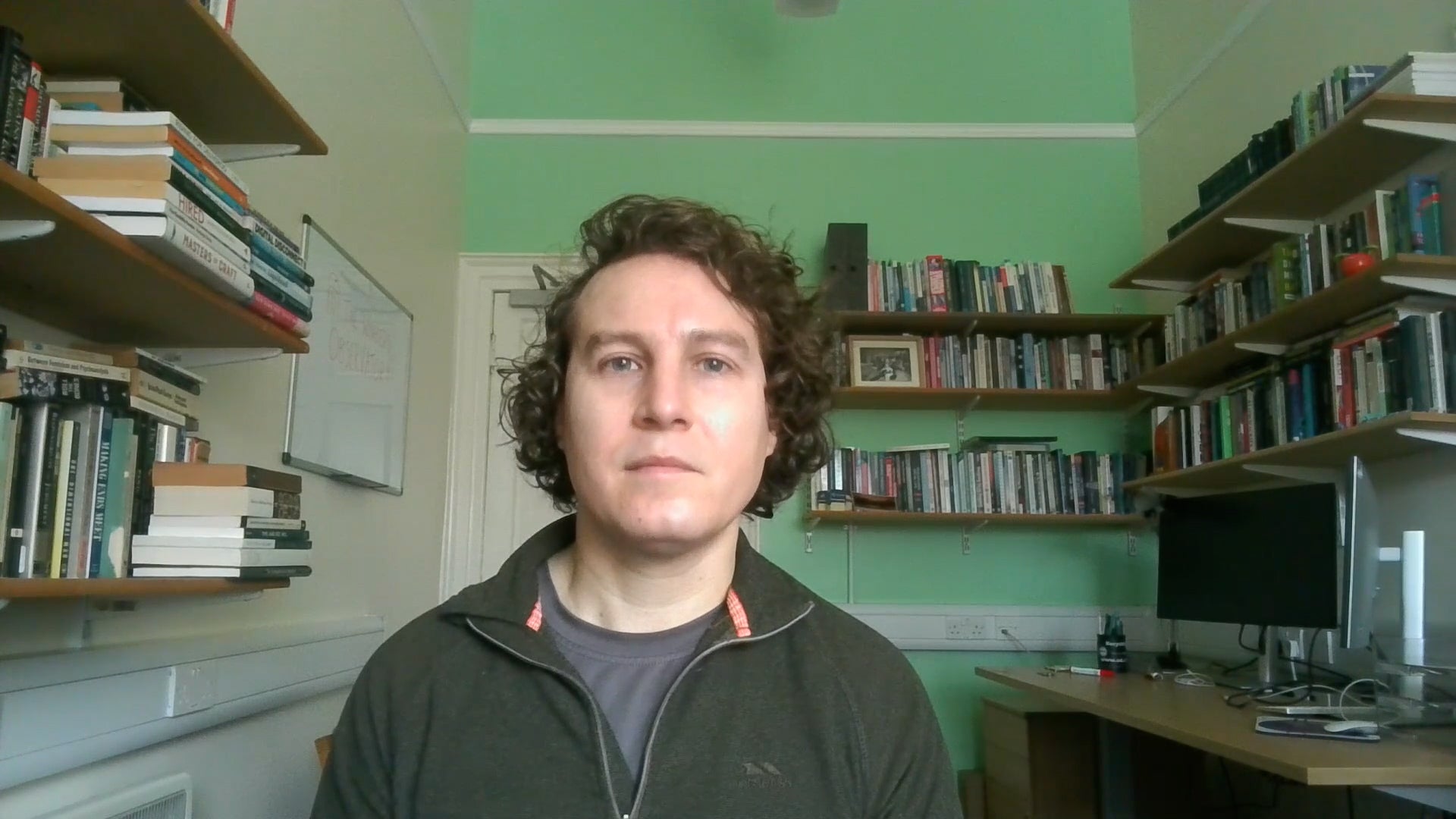
One gig worker likened the arrangement to fishing. “You go out as much as possible, take your chances, roll the dice, cast your net,” said Graeme, a bicycle courier in Scotland. “But you never really know what you're going to draw back in.... It's precarious. Some nights you might be thinking it's going to be really good and it's not.”
Some platforms use elaborate reward systems with tiers, rating targets, and performance badges to coax workers into accepting more jobs and working longer hours. However, research suggests that over time, labor conditions degrade for workers.
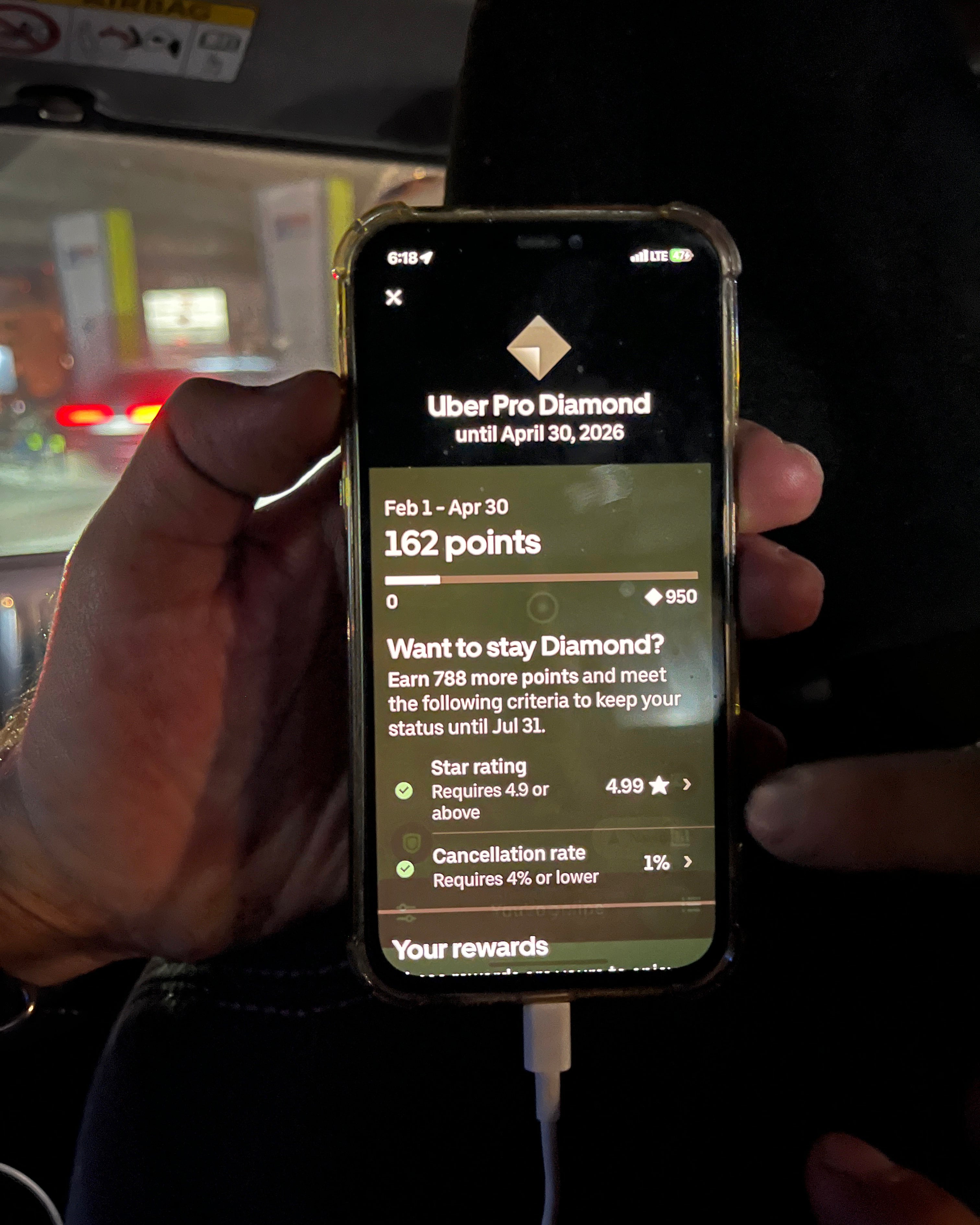
Elie (a pseudonym) has driven full time for Uber in Lebanon since 2016. He showed Human Rights Watch what it takes to maintain “Uber Pro Diamond” status, the platform’s highest tier in the Uber Pro reward scheme for drivers.
Drivers must complete a high volume of trips, keep customer ratings above 4.9 out of 5 stars, and hold cancellations at or below four percent for a period of three months. In return, they get shorter unpaid wait times, priority access to certain rides, and dedicated support.
Even with Uber Pro Diamond status, the rewards are uncertain. Elie said his earnings fluctuate sharply from week to week, even when he spends the same amount of time on the road. Unlike a traditional taxi driver who can respond to demand by choosing where and when to work, Elie cannot see or influence the algorithm that decides which rides he receives and at what price. Traditional taxi industries in many countries limit the number of licensed drivers, keeping earnings more predictable for those in the market. Platform companies face no such regulatory requirement, and, in many markets, driver numbers have grown sharply as earnings have fallen.
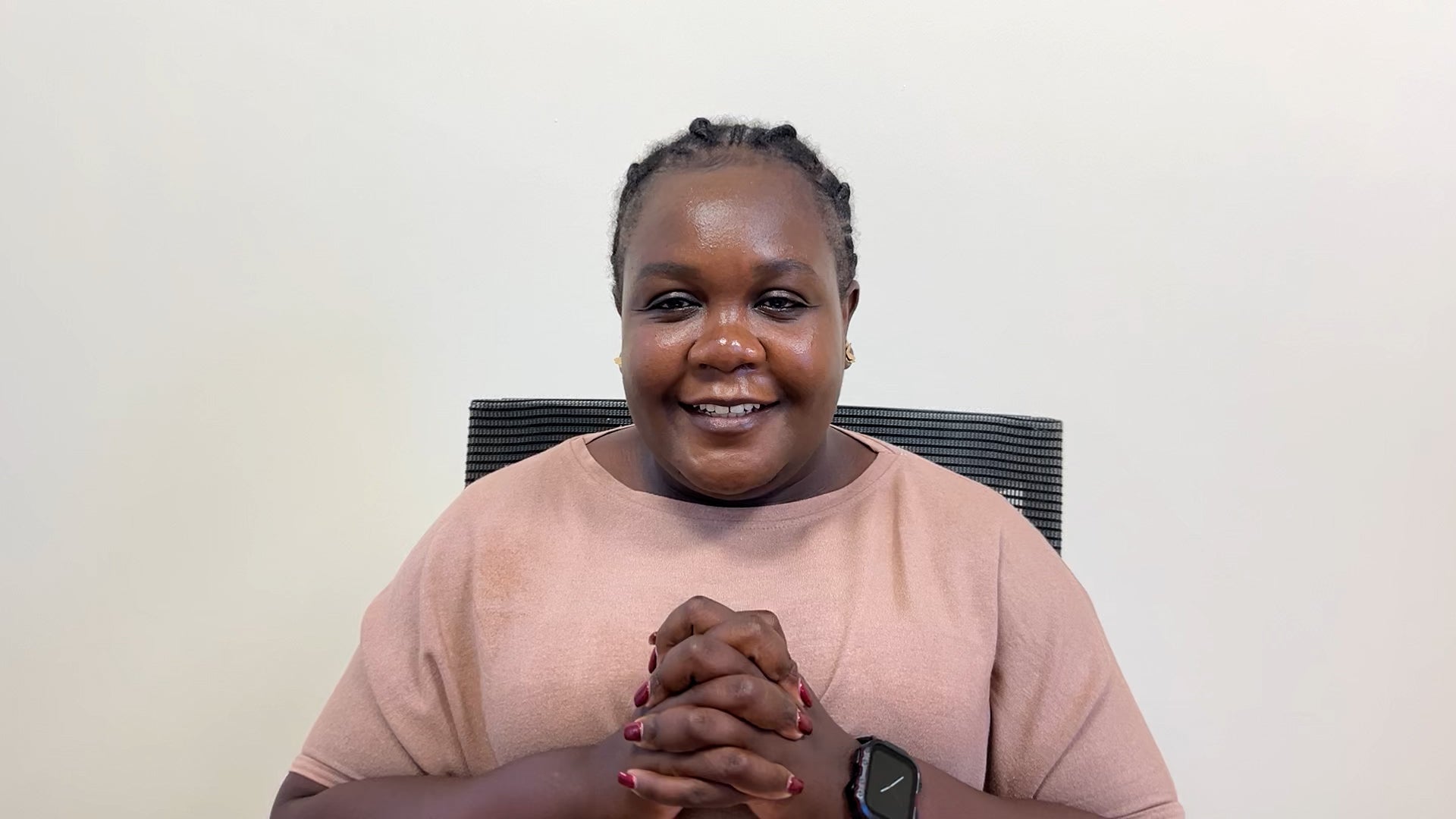
Susan, who has driven for several platform companies in Kenya since 2016, described how the system pushes workers to accept trips even when they feel unsafe. “When you don’t accept or cancel trips, your ratings go down,” she said. “So you find yourself in places where you don’t feel safe, but you still accept the request so that you don’t lose your rating.”
She said she had been suspended multiple times, leaving her without income and reinforcing the pressure to accept trips. She fears permanent deactivation. “It starts with 24 hours, then three days, then longer,” she said. “Eventually, you can be blocked completely.”
Workers also described opaque and inconsistent pricing. Arjun (a pseudonym), a delivery worker in Edinburgh, Scotland, said the same order can be offered to different workers at different rates. “If I get an order for £3 and I cancel it, the rider standing next to me may get the same order for £3.50 or £4,” he said. “If [the platform] can afford to pay more, why not pay that in the first place?”
Professor Veena Dubal, a labor and technology expert at the University of California, has termed this practice "algorithmic wage discrimination," describing how platforms use granular data to offer different workers different pay for the same work.
Delivery workers in the Gulf described a similar lack of transparency and consistency around wage rates and work availability, with wages set and jobs allocated by opaque and ever-changing algorithms. One Nepali worker in the UAE said groups of workers would wait in the same place for orders, some receiving trips while others sat idle for hours, with no explanation for why. Others said low performance scores, missed targets, or delayed deliveries could reduce earnings or lead to their accounts being blocked.
Under international labor standards, including the International Labour Organization’s Employment Relationship Recommendation, employment status is determined by the reality of the working relationship, not the label used in a contract. A worker is an employee when they perform work under the direction or control of another in exchange for pay.
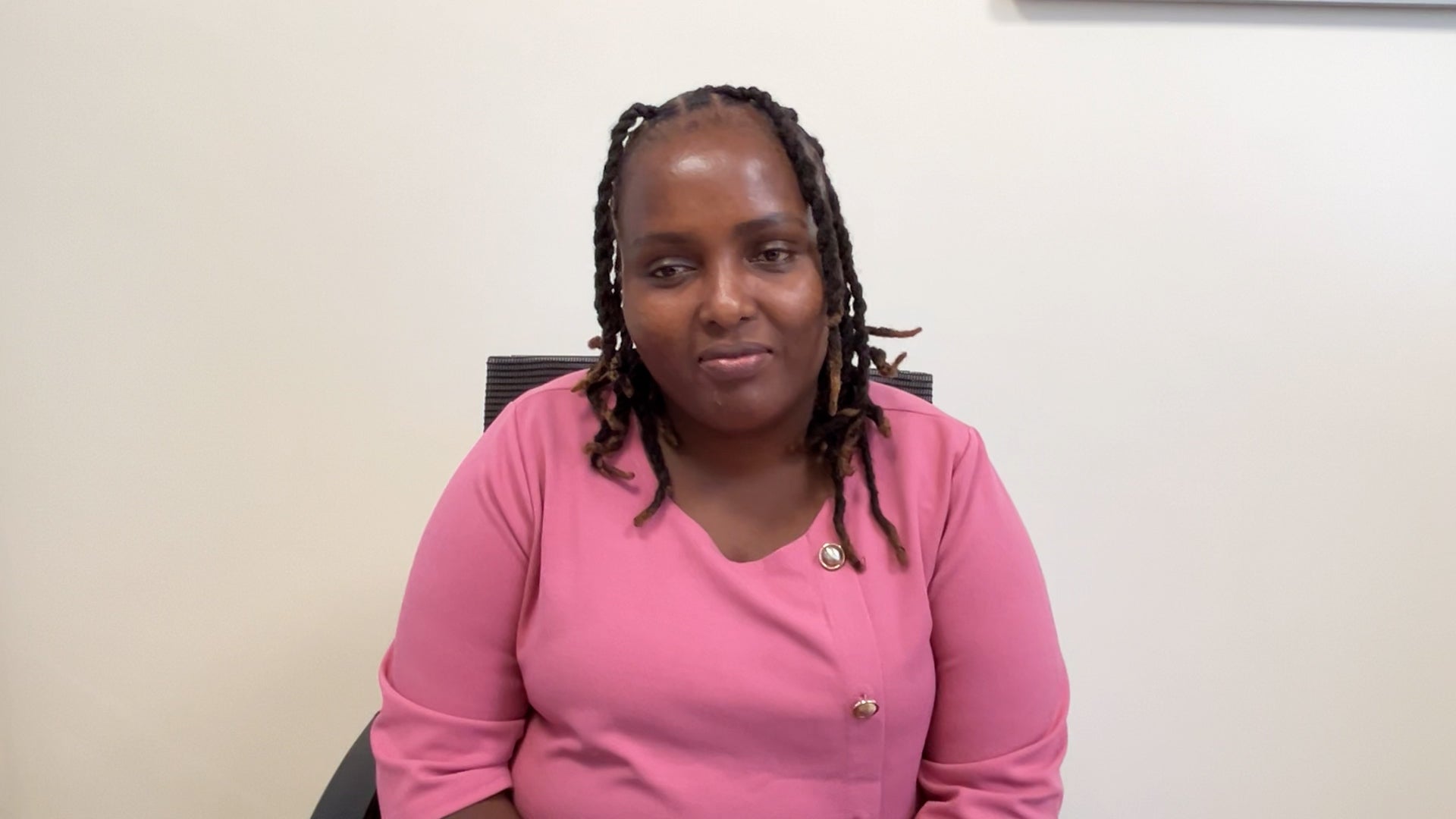
Agnes, who has worked across multiple platforms in Nairobi, Kenya, for more than a decade, described the level of control companies exert over her work. “They tell you the type of car to use, the routes to follow,” she said. “If you don’t follow what the app says, you can be suspended.”
She said workers are required to accept terms they often do not fully understand in order to access work. “You just tick that you’ve read and understood,” she said. “But you don’t have time to go through it. And once you accept, you’re bound by it.”
These kinds of controls raise serious questions about whether platform workers are truly independent.
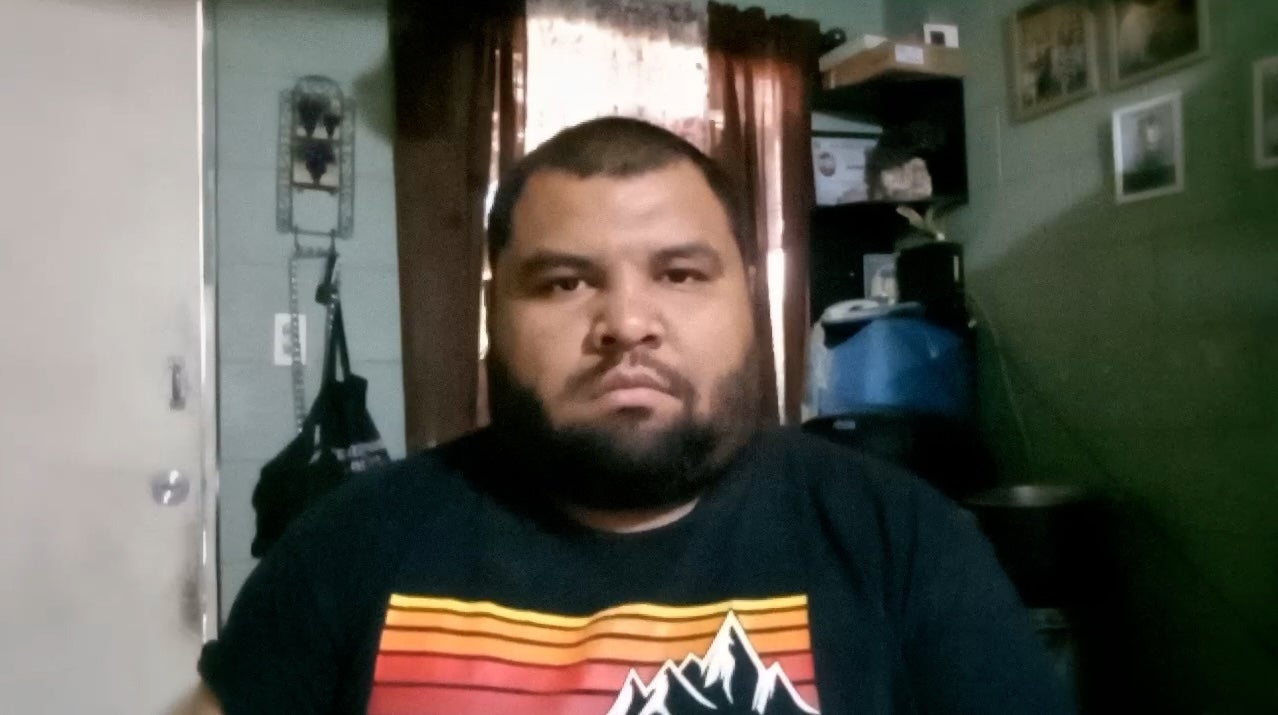
Jesús González, a platform worker in Mexico, described the same dynamics. “If they control all that,” he said, “how are they not our employer?”
Platform companies determine pay rates workers cannot negotiate, allocate and evaluate work through algorithms workers cannot influence, and can suspend or remove workers unilaterally. By these measures, the realities workers describe are consistent with employment relationships rather than independent contracting.
Some platform companies describe their workers as “partners.” Workers say that characterization does not reflect how the work is structured. “Partners don’t pay to work,” Jesús said. “And if they’re not my employer, why do they limit how many hours I can work?” Rather than referring to a formal cap on hours, Jesus was describing a common pattern: no matter how long he stays online, the algorithm decides how many jobs come his way.
In India, the control that platform companies exert over their workers has attracted public attention. In January 2026, following nationwide protests by platform workers, the government moved to restrict 10-minute delivery guarantees that had been introduced by major platform companies and had put immense pressure on workers to complete every job within a ten-minute window.
Ravi (a pseudonym) has worked for food delivery platform companies in Delhi for the past three years. "The company says, 'Deliver in ten minutes or your earnings will be cut, your incentives taken away, and you'll get fined,'" he said.
Graeme in Scotland described the same absence of support from a different company. He recently received an order of hot coffee with no protective packaging, an item he could not safely carry on his bicycle. “It would have been great to phone Rider Support and say, ‘I can’t accept this order,’” he said. “But there is no response.”
Under international human rights law, states should protect workers from arbitrary or unfair treatment in their working conditions, including decisions made through automated systems.
Chapter 2: Long Hours, Low Pay
Platform workers are typically paid per task or trip. Many earn low and unstable wages that fall below statutory minimums that protect other kinds of workers and far below a living wage, despite long working hours, sometimes late into the night or early in the morning.
A large share of their working days goes unpaid. Workers told Human Rights Watch that waiting for orders can account for 30 to 50 percent of their working hours. Time spent traveling to pick up customers or returning from distant destinations is also uncompensated.
Arjun, in Scotland, described the arithmetic of a working day. “If I work for three or four hours, I feel like I’m just working for two,” he said. “The rest goes in waiting for orders. You don’t get paid for the time you are online on the app or out on the streets.”
Of the time they are paid, workers do not keep the full amount a customer pays. Companies deduct a commission, a “service fee” or “take rates” from each trip or delivery.
Commission fees vary widely by platform and location. In Lebanon, Uber drivers Human Rights Watch spoke with said the company takes 25 percent of what the customer pays for each trip. With dynamic pricing models, service fees can even vary by trip. Research by Columbia Business School found that Uber retained about 42 percent of what customers in the US paid in 2024. A 2025 study by the National Employment Law Project found that, for some trips, Uber retained more than 60 percent of what the customer paid.
Workers described frustration that large shares of their pay go to the platform company. Some also said that additional fees and fines are deducted without explanation. One worker in Pakistan said, "Whatever income you earn, the fines take it away. And on top of that we're still giving them a commission."
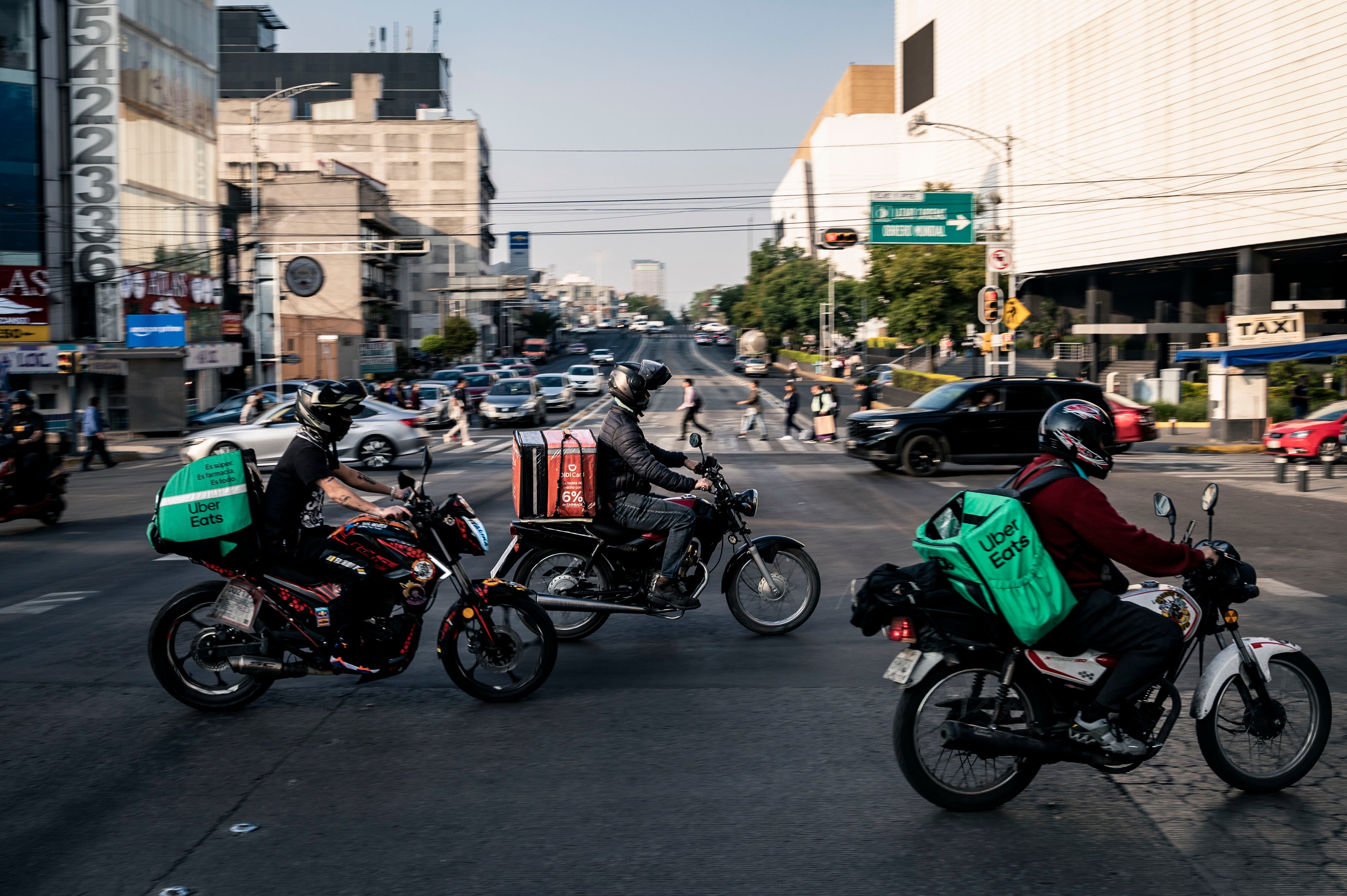
Many companies do not disclose how their pricing and commission systems work. Where dynamic or surge pricing models are in operation, workers do not know how much the customer pays or how much the company takes.
This lack of transparency has prompted calls from workers, labor advocates, and some policy makers for greater pay transparency and limits on how much companies can take from each gig.
From their income, a platform worker needs to cover the costs that employers would normally bear in formal employment relationships, including fuel, vehicle maintenance, commercial insurance, fines and fees, parking, and phone data.
In many countries, workers are also required to contribute to social security systems for disability, older age, or health care. As a platform worker, they can end up paying both the employee’s and employer’s share out of pocket.
Agnes in Nairobi described how the amount she receives from each trip shrinks once costs are taken into account. For a trip priced at 500 Kenyan shillings (about US$3.30), she said she might receive 360 shillings after the platform’s commission and taxes. From that, she still pays for fuel, mobile data to run the app and contact customers, and routine costs like car cleaning and parking. “It’s not adding up,” she said. “You have to work longer hours to make sure it adds up by the end of the day.”
Human Rights Watch research in the US also illustrates how these factors reduce take-home pay. In a survey of 127 platform workers, once these costs and social security contributions were taken into account, workers’ hourly pay dropped by nearly 70 percent.
As a result, the effective median hourly earnings of surveyed platform workers in Texas, US, were $5.12, well below the minimum wage of $7.25 and the $16.75 that constitutes a living wage there according to a Living Wage Calculator developed by the Massachusetts Institute of Technology.
For some workers, earnings disappear even before they reach home.
Dany, 68, has been driving full time for Uber in Lebanon for eight years. He showed Human Rights Watch his pay record for a recent week, during which he worked almost 50 hours. Before Uber’s commission, he earned 9,630,500 Lebanese pounds (about $107). After the platform deducted its 25 percent commission, he was left with roughly $75, before expenses. Fuel alone cost him more than he earned.
“I gave everything to Uber,” he said. “I have nothing left for my three girls to eat.”
He described a recent ride from Beirut up the coast to Jounieh, which is roughly 20 kilometers. The fare was about $9. Without a return passenger, the round trip became over 40 kilometers. After Uber’s commission, Dany received $6.75 – before paying for gas.
“I paid to make that ride,” Dany said.
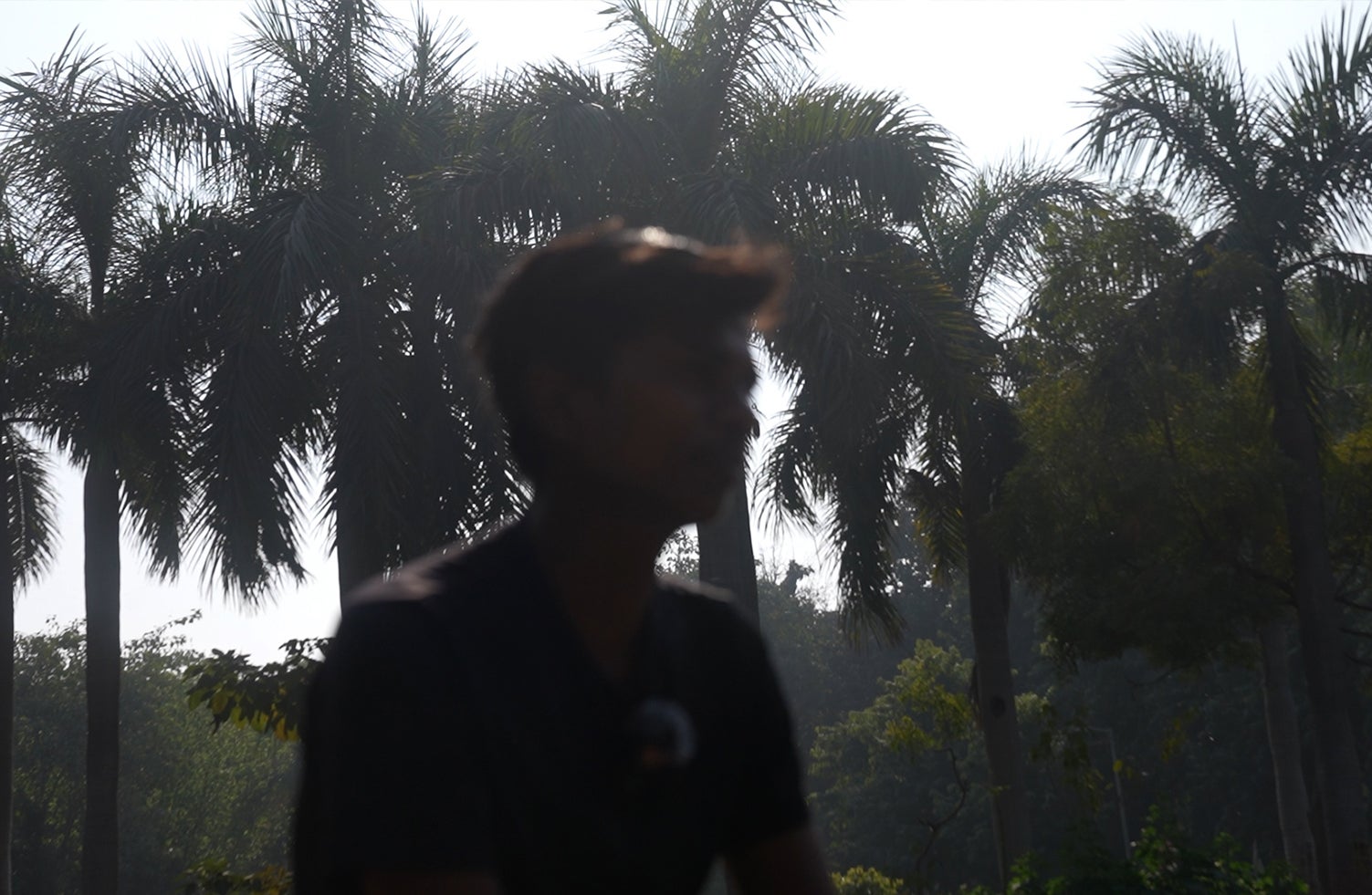
In Delhi, Ravi described working 18-hour shifts for 2,000 rupees ($21.50), before work expenses. “Then you have to cover petrol, food, service charges, and everything else,” he said. “So what’s left for you?”
For migrant workers, low pay is often compounded by the debt they incur just to access the work. Workers in Bangladesh and Nepal described borrowing heavily to pay recruiters, visa costs, and licensing fees before completing a single delivery.
Ram (a pseudonym) from Nepal said he paid about 350,000 rupees (about $2,362) to secure a delivery job in Dubai. Manzur (a pseudonym) from Bangladesh said he paid 500,000 taka (about $4,075) after being falsely promised a stable job delivering orders for a specific restaurant in Saudi Arabia, only to find himself turning to platform delivery work for lack of other options.
The human rights organization Equidem, based on interviews with more than 100 migrant delivery workers in Saudi Arabia and the United Arab Emirates, argued that many workers faced high recruitment fees, debt, and abusive working conditions.
Workers across countries described how pay has dropped since they began working for platform companies, without explanation. Susan, a driver in Nairobi, said her per-trip pay is less than half of what it was when she started in 2016. When asked why, she said: “They don’t tell us. They just change it.”
Chapter 3 : All the Risk, No Protection
Social security systems aim to protect workers from income loss when they fall ill, are injured, lose work, and in older age. Platform workers are excluded from most of social security programs.
Contributions for social insurance schemes are typically shared between an employer and an employee. Because many platform companies classify their workers as independent contractors, however, they do not contribute to social insurance programs in this way. Workers are expected to contribute on their own.
But low and unpredictable earnings often make that impossible. As a result, when something goes wrong, workers are left without protection.
Rushing to complete an order, Ravi in Delhi, India, fell when he braked hard to avoid a collision with a motorcyclist who came suddenly out of nowhere on a busy road. He broke his arm in the crash and had to cover medical costs himself. "I had to go to the hospital and bear all the costs myself," he said. "We don’t get anything from the company."
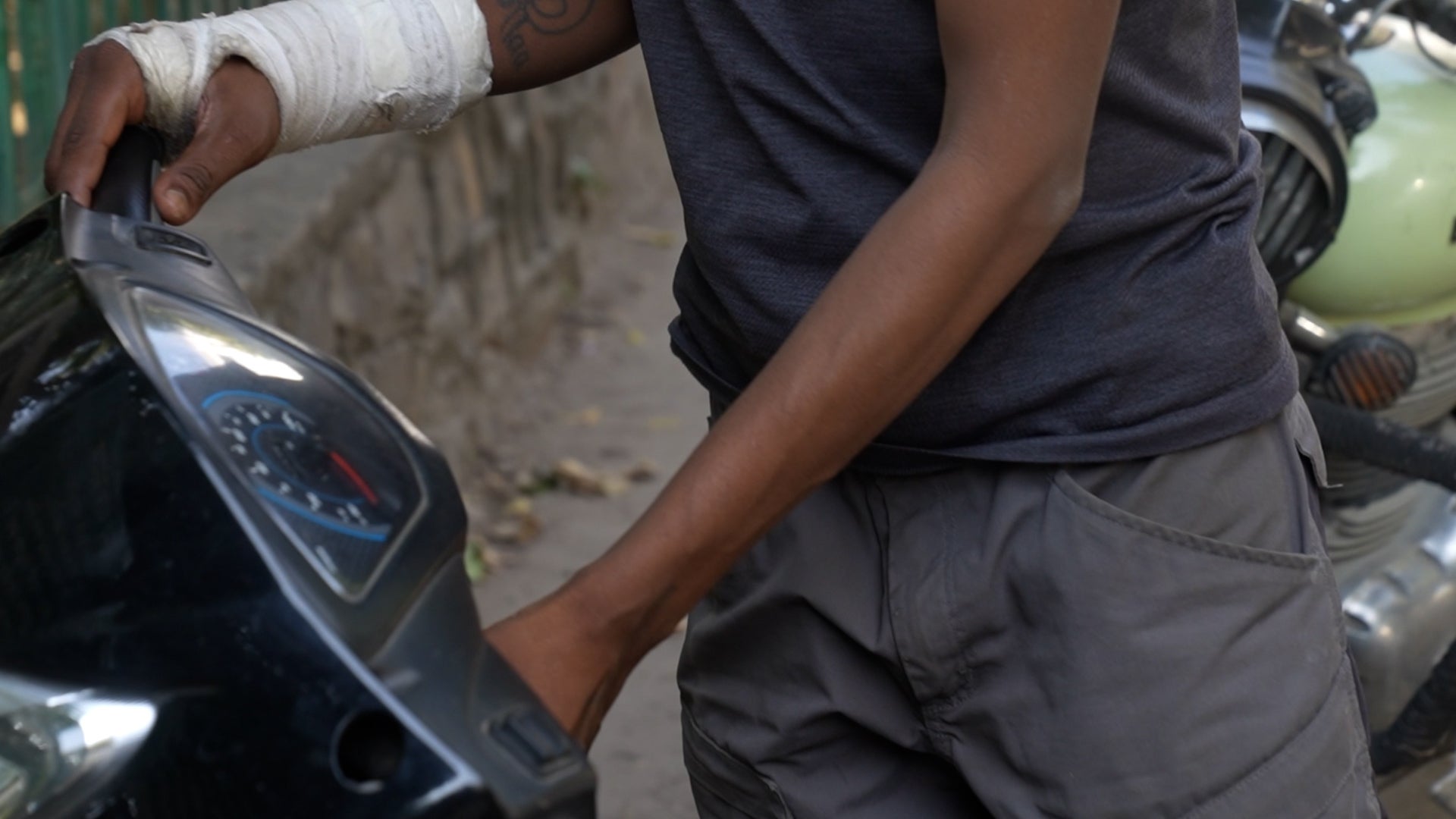
Jesús González has driven full time for a platform taxi app in Mexico for more than eight years. In September 2025, another car crashed into him while he was stopped at a traffic light. His left arm was broken. When he sought treatment at a public hospital, he was turned away. “They told me I wasn’t registered [with social security],” he said. “They said they couldn’t treat me.”

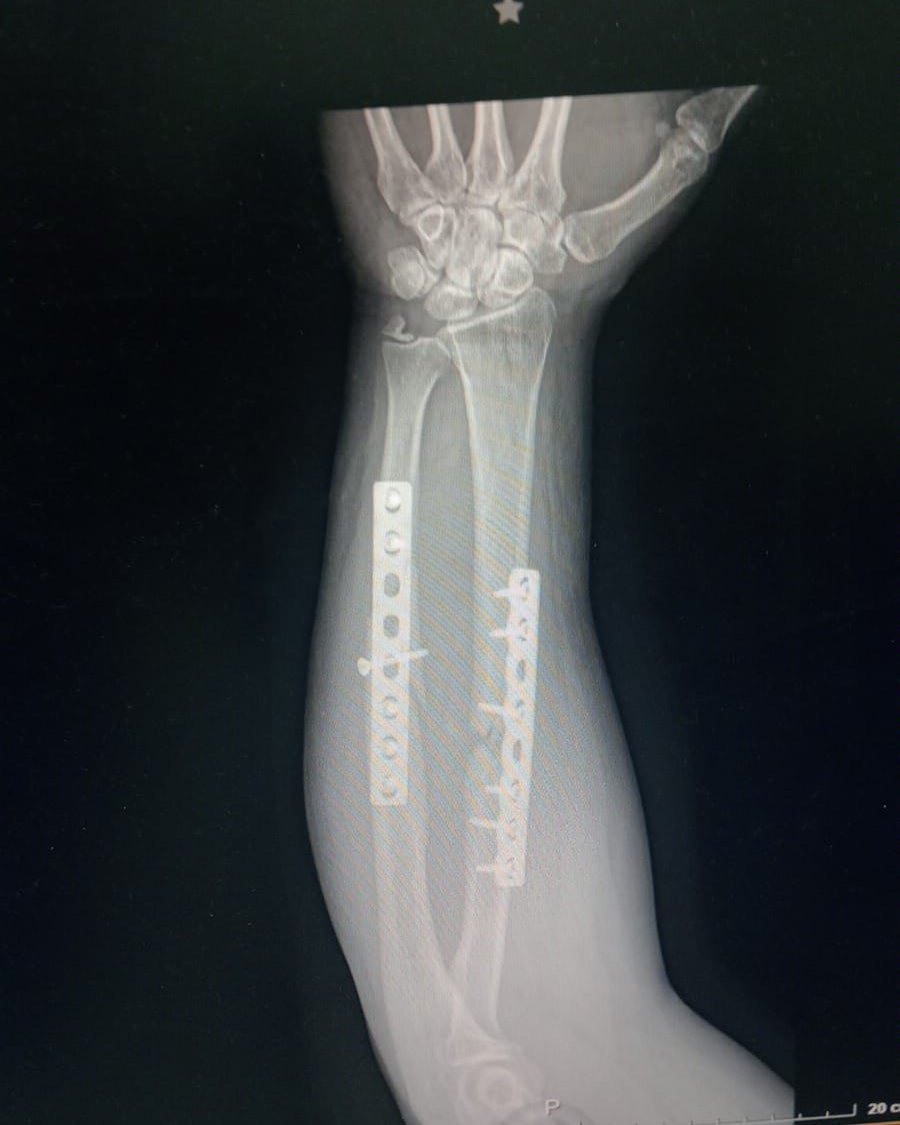
He eventually received care at a private hospital, covered through his car insurance. The platform provided no support, including no sick pay, compensation for injury, or income protection during recovery. “You’re working every day to meet a target,” he said. “And when something happens, you realize you’re not protected.”
These experiences are not isolated. In a Human Rights Watch survey of 127 platform workers in Texas, one in three said they had been involved in a work-related traffic accident. One in five reported harassment or unsafe interactions while working.
Agnes, a driver in Nairobi, described how quickly a routine trip can turn into a threat. After picking up a passenger in the city center, she agreed to wait and take him back, a return fare that would normally be an advantage. During the ride, the passenger moved to the front seat, stretched his legs across the dashboard, and refused when she asked him to move so she could safely use her mirrors.
When she insisted, he became hostile. He questioned why she was working as a driver, told her women should not do this kind of work, and suggested he could marry her so she would not have to drive. As the trip continued, he began touching her without consent.
Fearing for her safety, Agnes locked the car doors and drove directly to the nearest police station. Officers intervened and removed the passenger. The incident left her shaken and unable to continue working that day. She said the platform did not follow up after she reported what had happened.
For bicycle couriers, the risks are different but no less physical. Graeme in Scotland was heading out for a shift one evening when he spotted a promotion on the app and rushed to his bike. He had barely logged in when a group of motorcyclists came up behind him. "The first one buzzed me," he said, passing very close and cutting him off. "The second did a wheelie. And the third grabbed my handlebars."
He was thrown from the bike. "I thought it was an accident at first. But they were laughing."
The attack left him with a broken arm and a titanium plate. He could not work for six months. The platform company provided no support. He borrowed money from family and friends. "That was a really tough time," he said. "I really do think the platforms should help you out when you have an injury and you're unable to work.”
In Gulf countries, extreme heat adds another layer of risk. Temperatures can exceed 45 degrees Celsius (113 degrees Fahrenheit) by mid-morning and rise above 55 (131 degrees Fahrenheit) by midday. Workers described dehydration, dizziness, and exhaustion during long shifts. Phones overheat and shut down mid-navigation, forcing workers to stop and wait, losing time and lowering ratings and income. Workers interviewed by Human Rights Watch said platform companies did not provide meaningful heat safety protocols or adjusted scheduling during extreme conditions.
While such risks are not unique to platform work and are well documented among migrant workers in other sectors in the Gulf governed by the abusive Kafala (sponsorship) system, platform work can exacerbate them by combining hazardous working conditions with unclear employer responsibility and even more limited access to job mobility, protections or recourse.
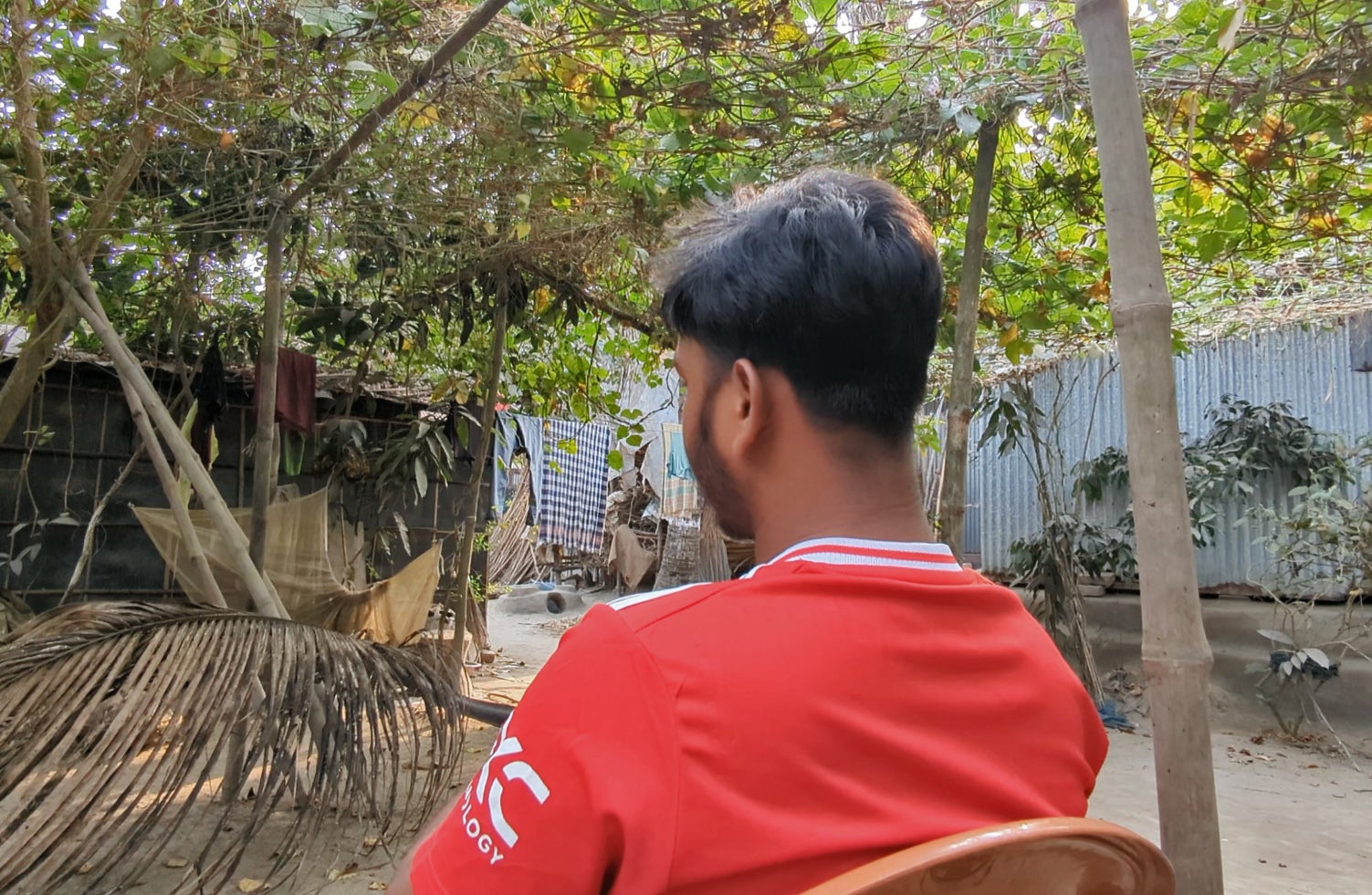
For migrant workers, accidents can be catastrophic in ways that follow them home long after the injury has healed. Manzur, a delivery worker from Bangladesh in Saudi Arabia, had paid over $4,000 to access his job through a recruiter who promised stable wages, spent eight months without work or pay because his sponsor did not arrange for his license and iqama (residency permit). When he finally started working, a traffic accident left him with two broken bones in his arm, and he returned to Bangladesh without receiving the surgery that medical professionals advised. He chose cheaper non-surgical care because he was already deeply in debt.
Even where social security systems exist, they may be out of reach. Apraham in Lebanon said he cannot afford to pay into the National Social Security Fund, even though doing so would give him some limited access to health insurance.
“I cannot afford it,” he said. “Not that I don’t want to.”
The classification of platform workers as independent contractors puts them at the mercy of bad luck: their lives can be turned upside down overnight by a workplace accident. It shifts the economic risk of work entirely onto the people least able to absorb it, and away from the companies best positioned to prevent it.
Under international human rights law, states should ensure that all workers are protected from unsafe working conditions and have access to social security, including protection in cases of illness, injury, unemployment, disability, and old age. This includes making systems available and accessible to all workers and ensuring that benefits are adequate in both amount and duration.
Chapter 4 : Organizing Despite Obstacles
The structure of platform work makes collective organizing difficult.
Workers are dispersed across cities rather than gathered in shared workplaces. They compete with one another for the same jobs. Their primary relationship is with an app or platform rather than with colleagues.
Workers also told Human Rights Watch they worry that participating in protests or organizing efforts could affect their access to work.
In many cities, there is no physical place to raise concerns or engage with the company. “You’re fighting smoke,” Graeme said. “There’s no office you can go to, no one you can speak to.”
In Kenya, drivers have attempted to organize and challenge platform practices through the courts and through engagement with government authorities and have repeatedly protested for better working conditions. Susan in Nairobi said workers had filed legal cases and pushed for the adoption of government-backed taxi fare benchmarks, but with limited success. “We can’t afford strong lawyers,” she said.
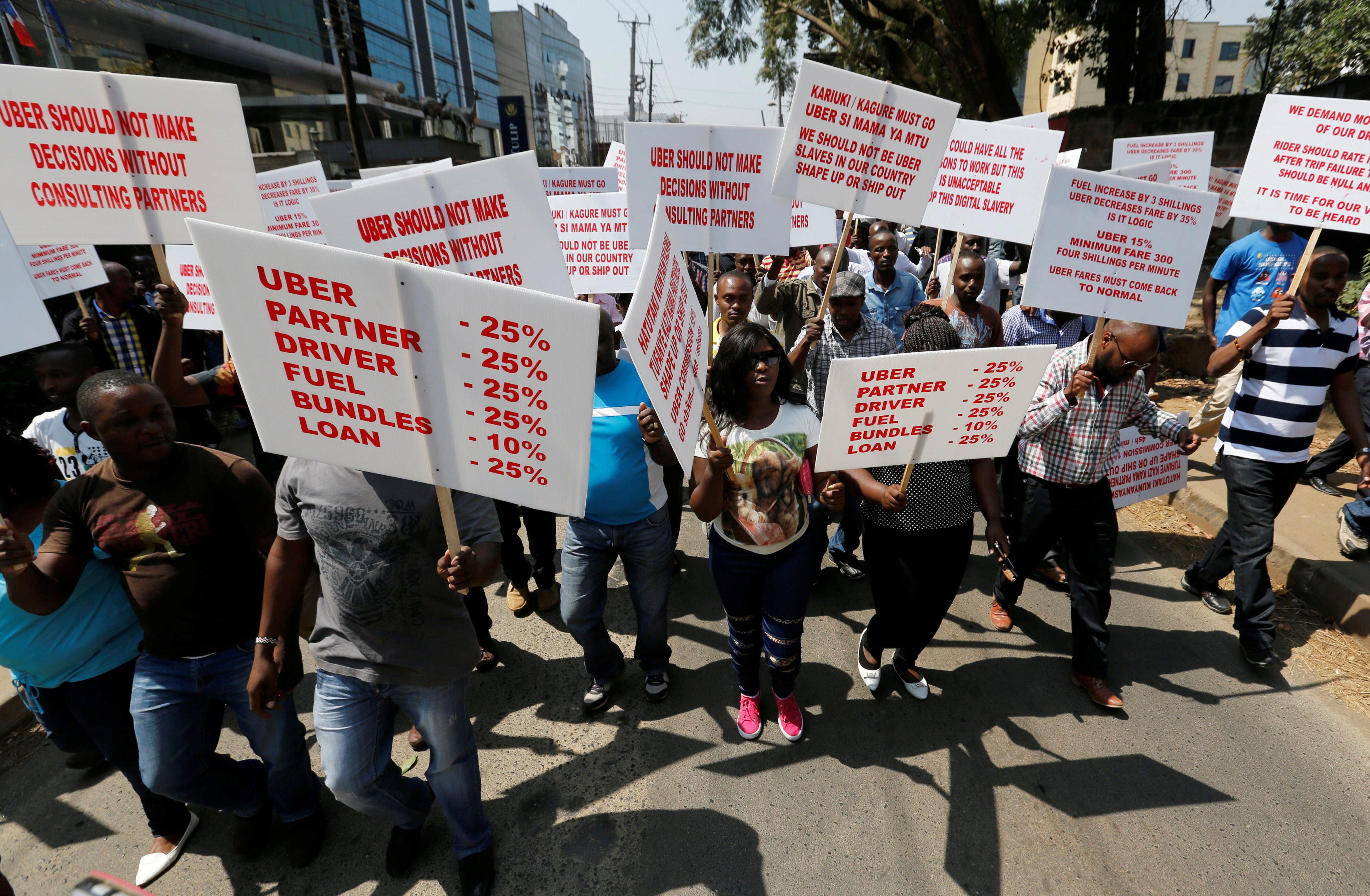
She said efforts to engage the government have also yielded little progress. Drivers have called for platforms to recognize them as workers with contracts and protections. “They cannot work without us, and we cannot work without them,” she said. “It is time to sit on a round table.”
Despite these fears and obstacles, platform workers have managed to organize.

Agnes, a Nairobi-based driver, said a major strike in 2017 marked a turning point for many drivers. She was among those who took part and was briefly detained. The experience led her to join the Transport Workers Union and become more actively involved in organizing.
Since then, she has helped to bring drivers together, supporting efforts to advocate for fairer pay and greater recognition. “We are fighting for better pay and recognition,” she said.
In 2020, workers in Mexico founded the National Union of App-Based and Delivery Workers (UNTA). Two years later, they published a manifesto calling for recognition as employees, better working conditions, and access to the social security system. Their sustained pressure contributed directly to legislative action: In 2024, the Mexican government introduced protections, including access to social security, for full-time platform workers who earn at least the monthly minimum wage through platform work.
While gaps remain, organizers in Mexico see tangible improvements and greater recognition of workers’ rights. “We are finally no longer invisible and are beginning to be recognized as workers with rights. It is a historic breakthrough that paves the way for better conditions. However, we don’t want this to remain merely on paper. We will stay vigilant and organized to ensure that what is written today becomes a reality,” said Manuel Durán, a member of UNTA.
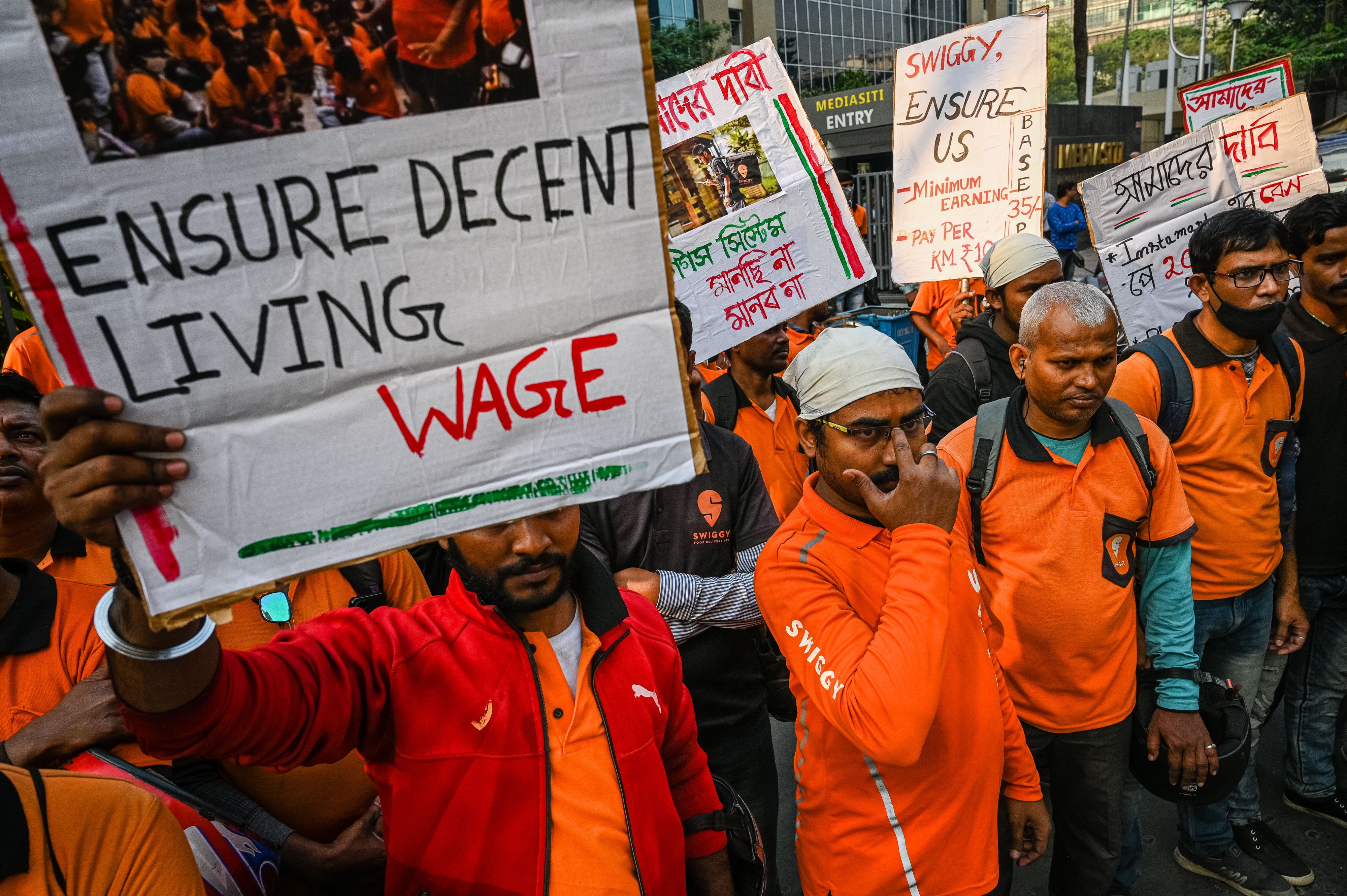
In India, the Telangana Gig and Platform Workers Union, the Indian Federation of App-based Transport Workers, and Gig and Platform Service Workers Union have built membership across multiple states, staging strikes and protests, including against 10-minute delivery models, that have drawn regulatory scrutiny and, in some cases, concrete responses from state governments.
In Scotland, workers have turned to collecting data to increase transparency and agency for platform workers. With support from the University of Edinburgh, couriers now systematically track their orders, pay rates, and patterns in how work is distributed, building an evidence base that can be taken to regulators, journalists, and policymakers to call for consistency and accountability from platform companies. It is a form of organizing that acknowledges the fog that platforms operate behind and works methodically to lift it.
Workers have also turned to the courts and legal proceedings to claim their rights. In 2021, the United Kingdom’s Supreme Court ruled that Uber drivers should be classified as workers entitled to minimum wage protections and paid holidays, though in 2023 it ruled that Deliveroo riders seeking collective bargaining rightswere not classified as employees. Courts in France, Spain, Italy, and Mexico have reached similar conclusions in cases examining the employment status of platform workers.
Under international human rights law, states should ensure that all workers can exercise their rights to freedom of association and collective bargaining. Companies should respect workers’ right to organize, join trade unions, and engage in collective action without fear of retaliation or loss of access to work. They should also establish channels for genuine dialogue with workers and their representatives to address concerns about pay, working conditions, and platform governance.
Chapter 5 : Towards Global Rules
As platform work has expanded across the world, so too has the need for governments to regulate it. Governments are beginning to respond, often under pressure from workers.
In 2024, the European Parliament passed a directive on improving conditions in platform work, which classifies platform workers as employees by default, includes provisions on transparency around algorithm use, and outlaws automated firing. The directive contains strong provisions for workers’ rights, though the final text is weaker than an earlier draft that Human Rights Watch supported. EU member states have until December 2026 to implement the finalized directive through national law.
Yet in many countries, legal protections for platform workers remain weak or nonexistent. Global rules are needed to ensure that the rights of all platform workers are protected, everywhere.
A major breakthrough came in June 2025, when a majority of governments and worker representatives at the International Labour Organization agreed to begin developing international standards on platform work.
Negotiations have been underway since then and are expected to conclude at this year’s International Labour Conference in June. There is a real possibility that the first global treaty on platform workers’ rights will eventually be adopted, and this could provide a strong foundation for domestic legislation around the world to address this growing form of work.
It is critical that the treaty addresses the main gaps in workers protections, providing rights and protections to all platform workers, regardless of their employment status.
- Governments should ensure that platform workers are not misclassified, including by establishing a presumption of employment where companies exercise control over working conditions.
- Platform companies should be required to provide greater transparency and accountability in algorithmic management, including clear explanations of how automated systems determine pay, allocate tasks, and deactivate workers, as well as access to human review of automated decisions.
- Pay should be fair and workers should be compensated for all working time, including time spent traveling to pick up orders, and earnings should meet living wage standards.
- Access to social security, including old-age pensions, unemployment benefits, and compensation for workplace injuries, with companies contributing to these systems.
- Platform workers should be able to organize, join trade unions, and bargain collectively without fear of retaliation.
As the platform economy is expected to continue to grow, the rules that govern it will shape the future of work. Governments now have an opportunity to ensure that this future is one in which the rights of workers are protected, not undermined.
Note: This web feature has been revised to correct the spelling of Apraham's surname as well as the route he was traveling when he was carjacked.
Acknowledgments
We would like to thank all the people who shared their experiences working for labor platform companies. Human Rights Watch is deeply grateful for their stories and insight.
We extend special thanks to the organizations and groups that connected us with workers, including the Telangana Gig and Platform Workers Union (TGPWU) and the Indian Federation of App-based Transport Workers (IFAT) in India; UNTA Unión Nacional de Trabajadores por Aplicación in Mexico; the Nawi Afrifem Collective in Kenya; the Transport Workers' Union Kenya; the Digital Platform Workers Union Pakistan; The Workers’ Observatory in Scotland, United Kingdom; and the Solidarity Center.
This feature was researched and written by Lena Simet and Jack Spehn. Jayshree Bajoria, Ramzi Kaiss, André Rangel, Tomiwa Ilori, Sarah Jackson, Saroop Ijaz, and other colleagues in the Asia and Middle East and North Africa Division contributed research.
Art direction and production were led by Maggie Svoboda, Travis Carr, Malena Seldin, and Ivana Vasic. Videos were produced and edited by Sarah Grile. Web development by Christina Rutherford. Additional editorial assistance was provided by Katherine La Puente.
The feature was reviewed by Sylvain Aubry, Arvind Ganesan, Sarah Jackson, Chris Albin-Lackey, Tanya Greene, Anna Bacciarelli, Kartik Raj, Sam Dubberley, Bridget Sleap, Juan Pappier, Jayshree Bajoria, Saroop Ijaz, Tomiwa Ilori, Ramzi Kaiss, and André Rangel.
Edited by Mya Guarnieri.