Lives Destroyed for Speaking Out:
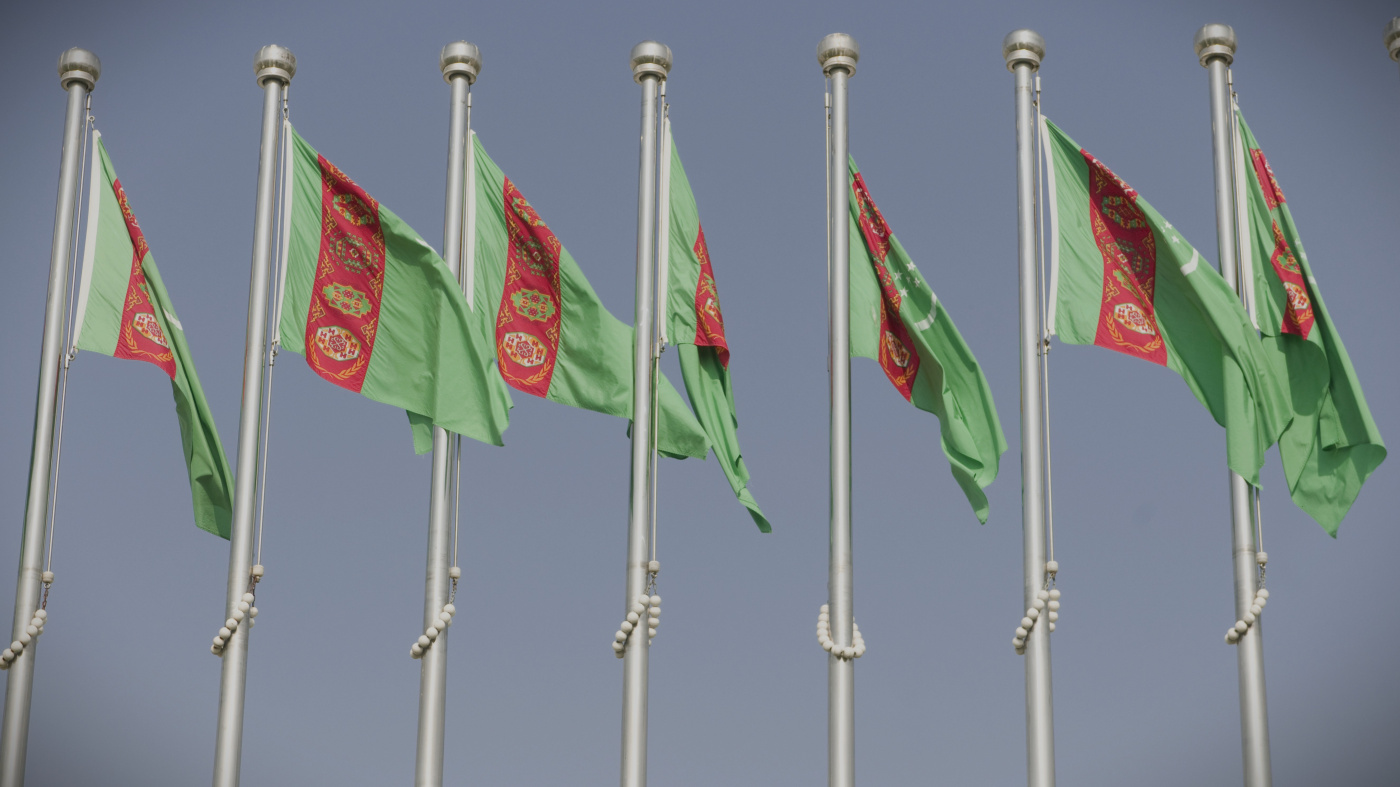
Turkmen national flags, Ashgabat, Turkmenistan. © 2009 imageBROKER/Shutterstock
Turkmenistan is one of the world’s most repressive and closed countries. Independent journalists, bloggers, lawyers, and civic activists who speak truth to power are routinely imprisoned, silenced, harassed, or forced into exile in retaliation for their activism. Any peaceful expression of discontent or criticism of government policies — whether voiced inside the country or from abroad — is treated by authorities as a threat to be quashed.
For decades, Turkmen authorities have sought to eliminate dissent through arbitrary detention, enforced disappearances, and politically motivated prosecutions. Security services also use pervasive surveillance and overt threats of retaliation against activists’ family members to stifle independent activity both at home and abroad.
Dozens of individuals remain incarcerated or forcibly disappeared in Turkmen prisons on politically motivated charges. Even for those who have survived the prison system, punishment has not ended upon their release. Former detainees are almost never exonerated, despite the lack of evidence against them. They often face arbitrary travel bans, monitoring by local police, and a persistent threat of re-arrest.
Turkmen government repression has in recent years increasingly extended beyond Turkmenistan’s borders through transnational repression, a practice whereby state actors reach beyond their territory to intimidate, silence, or punish human rights defenders, journalists, political opponents, or other critics abroad, predominantly nationals or former nationals, in violation of their rights. Transnational repression includes abductions, unlawful removals or threats of forced return, surveillance, abuse of consular services, digital harassment, and reprisals against family members and associates in the country of origin, creating a broader chilling effect on freedoms of expression and of association. Transnational repression denies individuals genuine safety in exile.
Turkmen authorities routinely deny passport issuance and renewal through consular channels abroad, compelling applicants to return to Turkmenistan to renew their documents. This practice compounds the vulnerability of Turkmen nationals who have left Turkmenistan and have no plans to return, including activists and government critics, leaving some unable to regularize their legal status abroad.
Turkmen activists in exile — particularly in Türkiye, where until September 2022, Turkmen nationals had been able to travel visa-free — report experiencing surveillance, threats, harassment, and pressure on relatives back home. In recent years, Turkish authorities have arbitrarily assigned “restriction codes” to some Turkmens, among other migrants, designating them as “public security threats,” often without reasonable justification and without evidence that they pose any threat.
Some activists, including those whose passports had expired, have been detained abroad at Turkmenistan’s behest and subjected to deportation proceedings despite credible evidence of torture, arbitrary imprisonment, and unfair trial, if forcibly returned to Turkmenistan. In several cases, individuals have been forcibly returned to Turkmenistan from Türkiye and Russia, only to face closed-door trials and heavy sentences. In 2025, at least two activists disappeared in Türkiye under highly suspicious circumstances. To date, their whereabouts remain unknown.
The Turkmen government also targets critics’ loved ones to compel their silence, including by summoning relatives for questioning, arbitrarily detaining them, or coercing public denunciations. These tactics are designed to isolate activists, spread fear, and deter others from speaking out.
The cases documented below demonstrate the scale, severity, and persistence of Turkmen government repression, both at home and beyond its borders. Each human story underscores the urgent need for meaningful action by Turkmen authorities, foreign governments with diplomatic and economic ties to Turkmenistan, international institutions, including the United Nations, and human rights organizations, to pursue accountability for human rights violations in Turkmenistan and protect those who have dared to speak the truth.
Click on the photos below to learn more about the activists.
Activists Imprisoned for Peaceful Expression
Case Details:
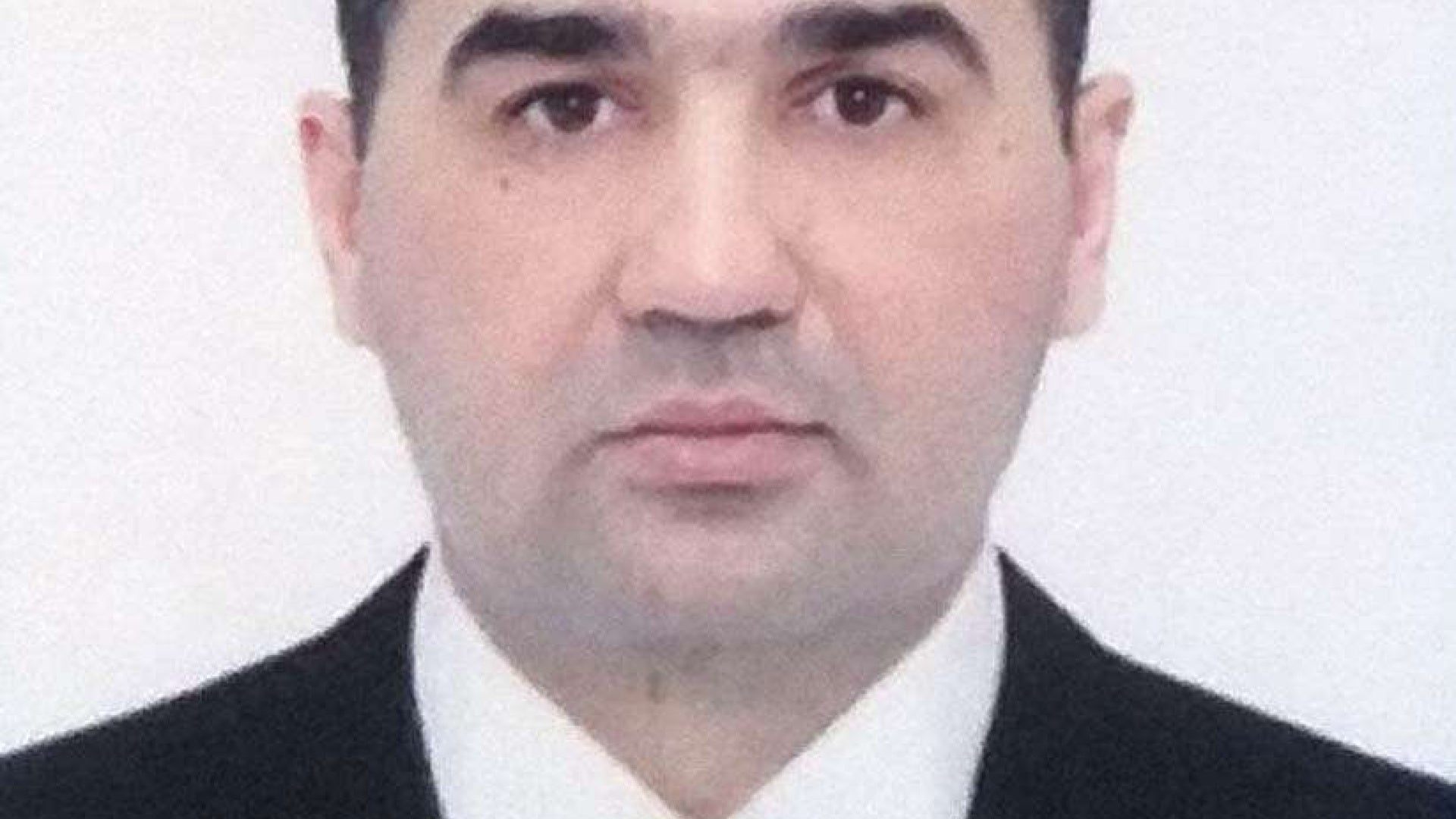
On June 6, 2012, police detained Mingelov in connection with a criminal investigation into his brother, whom police had arrested the previous day. In the two weeks following Mingelov’s arrest, security services reportedly beat him. He also witnessed security officers beating his brother during interrogations.
Upon Mingelov’s release on June 22, 2012, he filed complaints with the Prosecutor General and at the Presidential Administration regarding allegations of torture and ill-treatment by law enforcement officials. On August 2, 2012, in an apparent act of reprisal for filing complaints, police re-arrested him. In September 2012, following a closed and unfair trial, a Turkmen court sentenced Mingelov to 22 years imprisonment on fabricated drug and pornography charges.
While in prison, Mingelov’s health has severely deteriorated due to the dire conditions and continued ill-treatment. He also suffers from bone tuberculosis in both knees.
In March 2023, the UN Human Rights Committee found that Mingelov’s detention violated international law and called on Turkmen authorities to ensure his immediate release. The Committee Against Torture reiterated this call in April 2025. Despite these high-level interventions and a 2023 government “pledge” to consider a pardon, authorities in December 2025 rejected a petition for Mingelov’s early release on health grounds.
For more information about Mingelov, visit Turkmen.news, a Netherlands-based independent outlet.
Case Details:
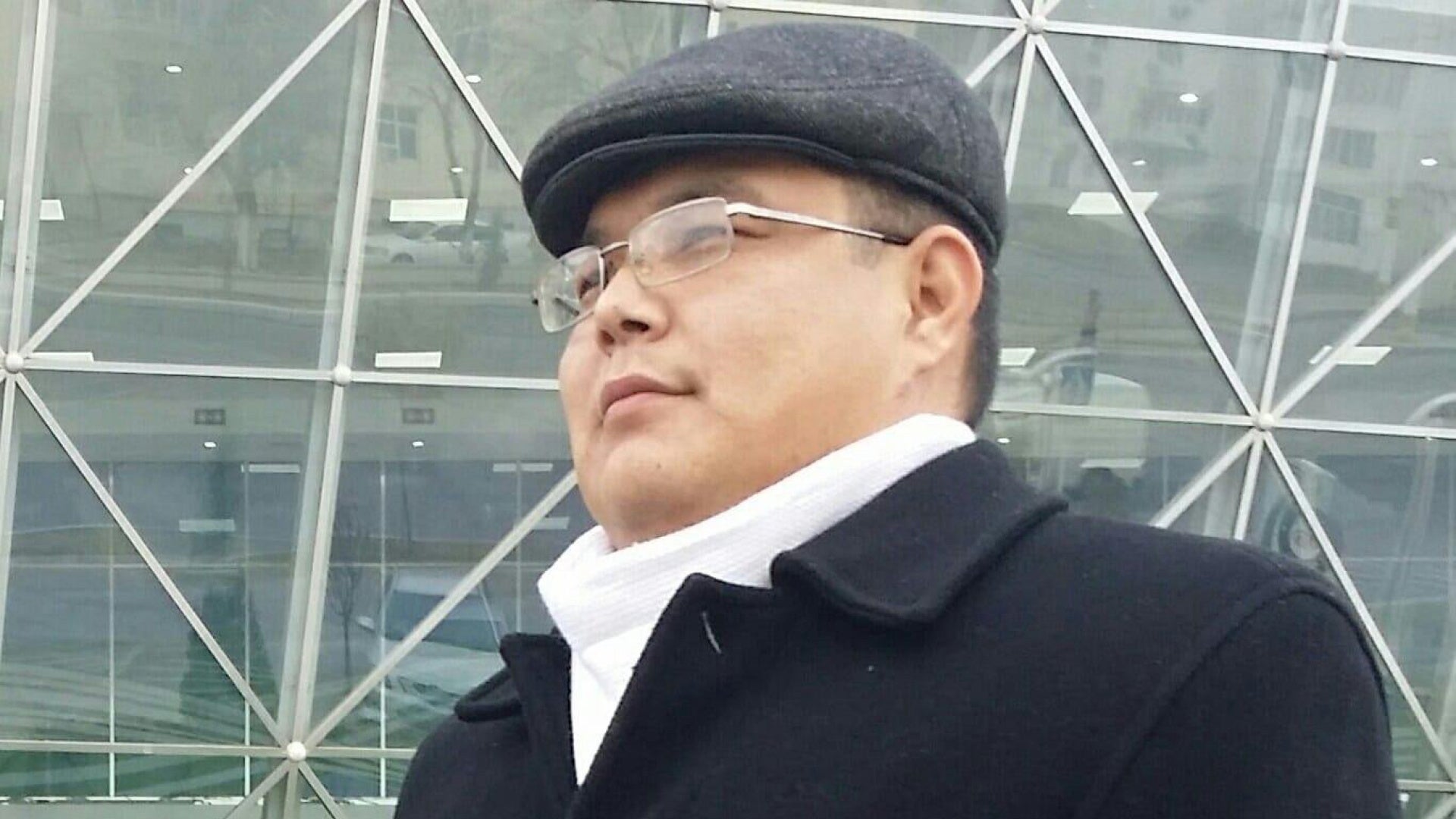
In July 2021, after he publicly criticized the Turkmen government’s COVID-19 policies and related requirements, Dushemov had a verbal dispute with police. He was subsequently arrested on “petty hooliganism” charges and sentenced to 15 days’ detention. A Dashoguz court then sentenced Dushemov in August 2021 to a four-year prison term on trumped-up charges of extortion and intentional infliction of moderate bodily harm. The charges were reportedly linked to a fight with a cellmate and a separate complaint by a hospital doctor accusing Dushemov of attempted extortion over a video filmed at the hospital.
Days before Dushemov’s scheduled release on June 14, 2025, authorities transferred him to pre-trial detention on new charges related to an alleged altercation with another inmate. Dushemov claimed that the inmate was placed in his cell to falsely accuse him of assault. In September 2025, a court in Turkmenabad sentenced Dushemov to an additional seven years in prison following a closed trial.
In July and September 2025, UN Special Rapporteur on the situation of human rights defenders Mary Lawlor called on the Turkmen authorities to release Dushemov immediately.
His family has faced repeated pressure, including arbitrary travel bans on his brother and sister in apparent retaliation for his activism.
For more information about Dushemov, visit Turkmen.news.
Activists Persecuted, Under Surveillance, and Subject to Travel Bans
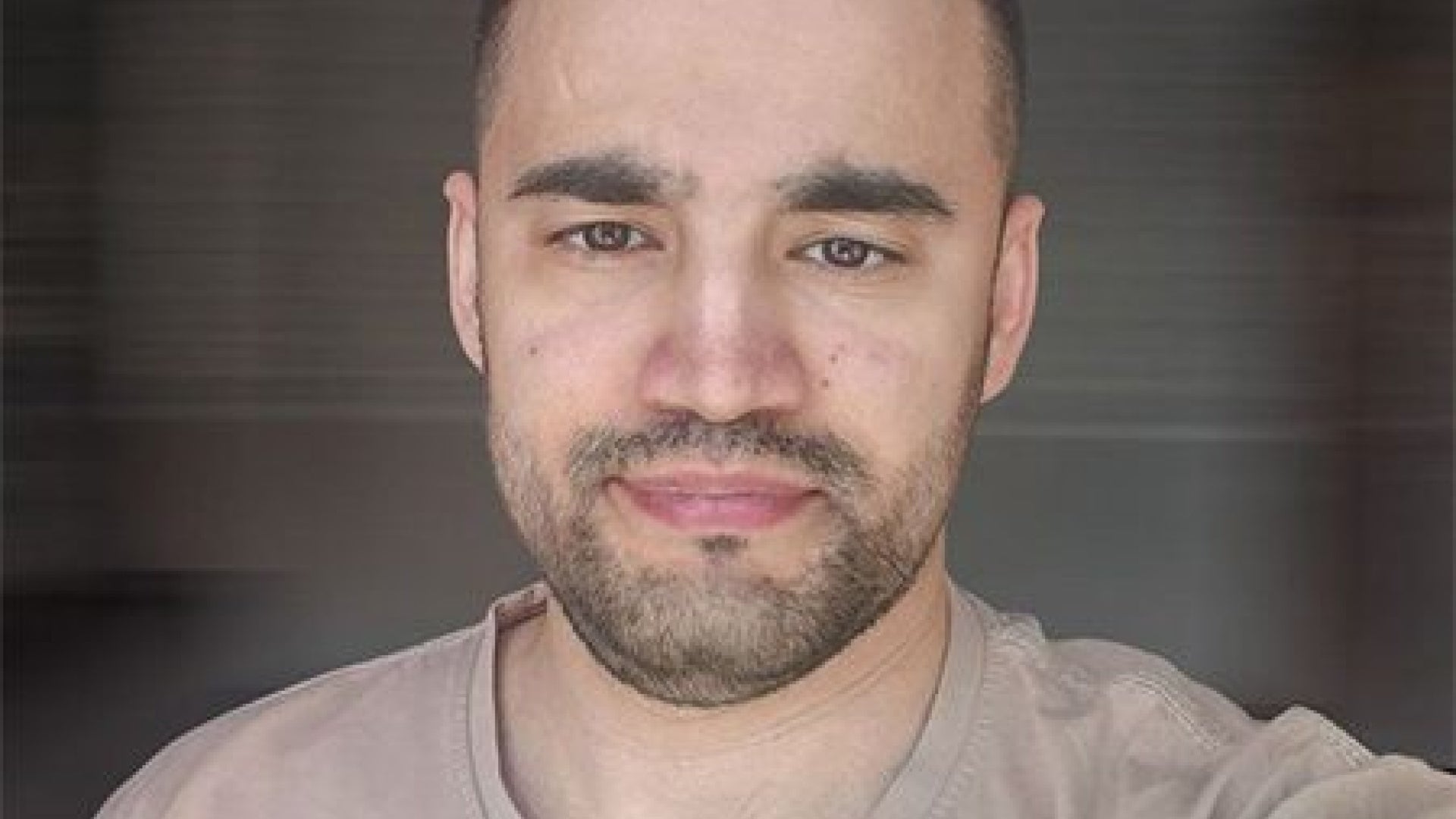
Case Details:
Police arrested Khalykov on July 13, 2020, after he shared a photograph of a World Health Organization delegation visiting Ashgabat, the capital of Turkmenistan, with the editorial team of an exiled media outlet. In September 2020, an Ashgabat court sentenced Khalykov to four years in prison on bogus criminal fraud charges for allegedly failing to repay a debt.
Between late 2020 and June 2024, while in detention, prison officials repeatedly placed Khalykov in solitary confinement and reportedly subjected him to harsh treatment, including sleep deprivation and physical abuse.
Authorities released Khalykov in June 2024, after he had served his full sentence, but imposed a travel ban upon him. The ban has no legal basis and undermines Khalykov’s ability to work and resume his life. Although he had obtained a work visa for the United Arab Emirates, Turkmen customs and border officials in January 2025 subjected Khalykov to prolonged searches and questioning at the airport before barring his exit.
In December 2025, Turkmen State Migration authorities informed Khalykov that his departure from Turkmenistan would “contradict national security,” citing the Migration Law. They provided no further explanation as to the basis of Khalykov’s travel ban.
For more information about Khalykov, visit Turkmen.news.
Case Details:
Police arrested Allaberdyev in September 2020 after he was allegedly provoked into a fight by another man. After police arrived at the scene, the man accused Allaberdyev of instigating the altercation. In what appeared to be retaliation for his alleged ties to activists abroad, a court in Balkanabad sentenced Allaberdyev to six years in prison on charges of hooliganism and intentional infliction of moderate bodily harm. The closed trial lasted only two hours; Allaberdyev was denied any legal representation.
In April 2022, the United Nations Working Group on Arbitrary Detention determined that Allaberdyev’s detention was arbitrary and violated international law. The Working Group called for his immediate release and for his conviction to be quashed.
While authorities released Allaberdyev under presidential amnesty in December 2022, they imposed a five-year travel ban and placed him under administrative supervision, which requires him to regularly report to police. Authorities have repeatedly denied Allaberdyev’s requests to travel abroad for medical treatment, and no employer has agreed to hire him as a lawyer.
For more information about Allaberdyev, visit the website of the Turkmenistan Helsinki Foundation for Human Rights, a human rights organization in exile.
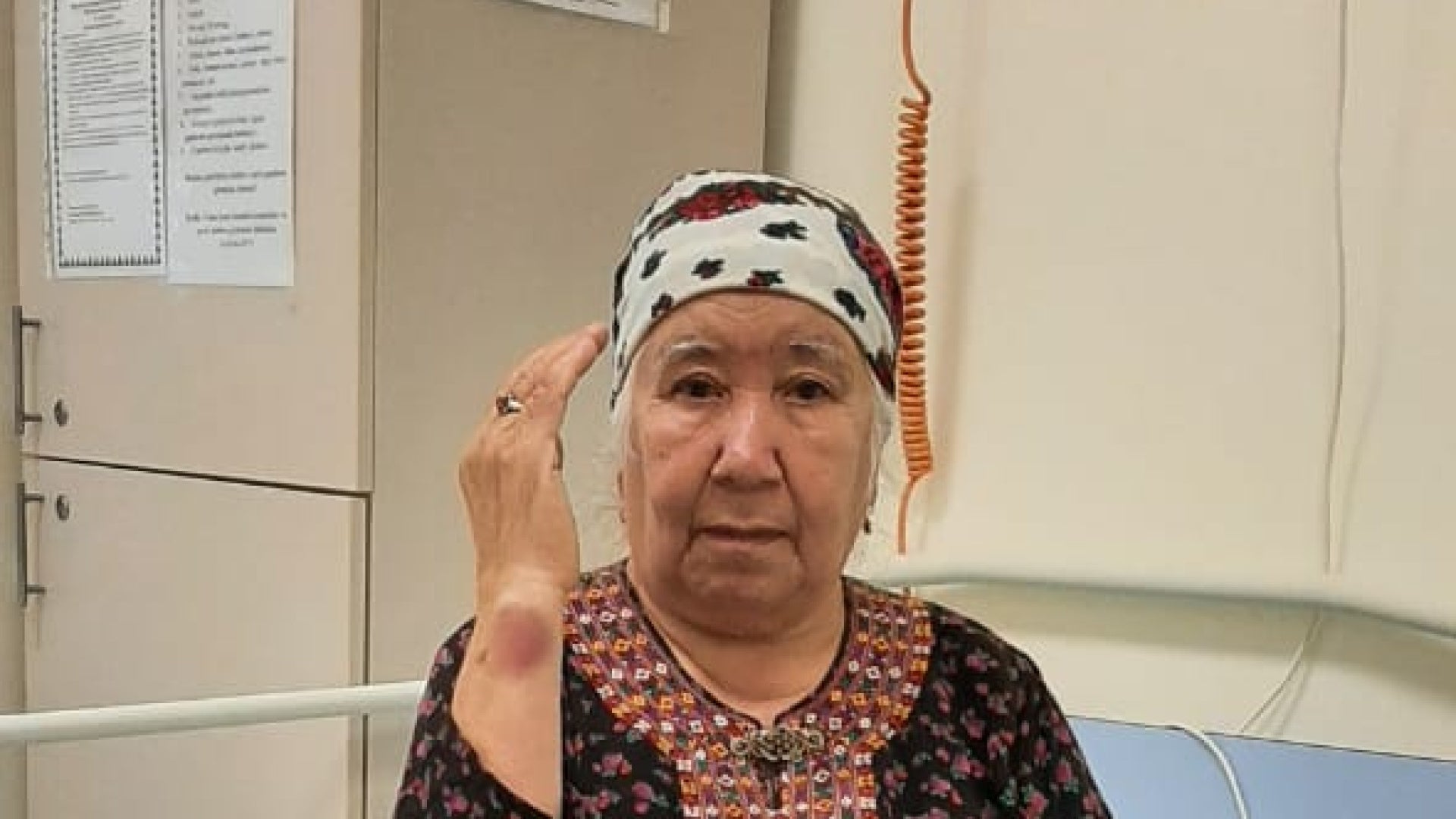
Case Details:
Achilova has contributed to independent media outlets based in exile, including Radio Free Europe/Radio Liberty’s Turkmen service (Radio Azatlyk) and Chronicles of Turkmenistan, helping to ensure that reporting from inside the country reaches audiences abroad.
For years, authorities have subjected Achilova to surveillance, harassment, assaults, and travel restrictions in retaliation for her work. In November 2023, border officials at Ashgabat airport prevented her from traveling abroad for a human rights award ceremony by arbitrarily invalidating her passport. Authorities also subjected her to intrusive security checks at the airport.
In November 2024, officials forcibly removed Achilova from her home and detained her at an infectious disease hospital in Ashgabat, Turkmenistan’s capital, to prevent her from traveling to a human rights event in Geneva. There was no apparent medical justification for the intervention. Later, Achilova publicly claimed the incident was a poisoning attempt.
In April 2025, the UN Special Rapporteur on the situation of human rights defenders, Mary Lawlor, urgedTurkmenistan to investigate the alleged November 2024 poisoning attempt. To date, authorities have not opened a formal investigation into the incident; they continue to surveil and restrict Achilova’s movements.
For more information about Achilova, visit the website of the Chronicles of Turkmenistan, the news outlet of the independent Vienna-based group Turkmen Initiative for Human Rights.
Activists Forcibly Returned and Imprisoned
Case Details:
At Turkmenistan officials’ request, Russian authorities forcibly returned Gulamov to Turkmenistan on March 1, 2024, according to Turkmen.news.
Upon his forced return, Turkmen authorities arrested Gulamov and, in May 2024, an Ashgabat city court sentenced him to five years in prison in closed proceedings on unknown criminal charges. Gulamov is reportedly being held in the LB‑E/12 correctional colony in Lebap province under restrictive conditions, including prolonged solitary confinement in a disciplinary isolation cell. He has reportedly been denied family visits and parcels and is allowed outside only once a day, late at night, for a brief period.
For more information about Gulamov, visit Turkmen.news.
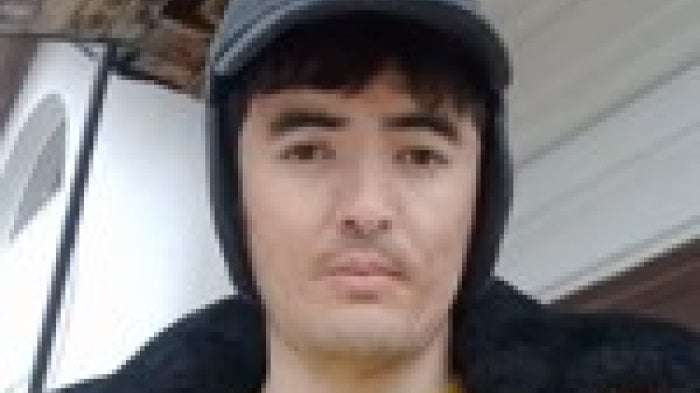
Case Details:
According to media reports, in early December 2023, Allamuradov went missing under suspicious circumstances in Russia, where he had been living and studying. Russian police informed his acquaintances in Russia that he had left the country. Allamuradov was later reported to be in Turkmenistan, where he had allegedly been transferred on December 5, 2023. Prior to these events, in mid-November 2023, Allamuradov expressed concerns in an interview with Radio Azatlyk about his safety and the risk of forced return or abduction.
Upon Allamuradov’s apparent involuntary return, Turkmen authorities appear to have detained and prosecuted him in a closed trial in connection with an alleged assault on a cellmate while in detention. Human Rights Watch does not have further details about the circumstances of Allamuradov’s return to Turkmenistan and his subsequent prosecution due to the limited publicly available reliable information about his case.
According to public reporting, Allamuradov is being held in solitary confinement at the LB-E/12 correctional colony in Lebap region. The facility is widely reported to have harsh conditions. Human rights groups have expressed grave concerns about Allamuradov’s physical safety, as well as the conditions of his imprisonment, including the risk of incommunicado detention and lack of due process.
For more information about Allamuradov, visit Turkmen.news.
Activists Disappeared
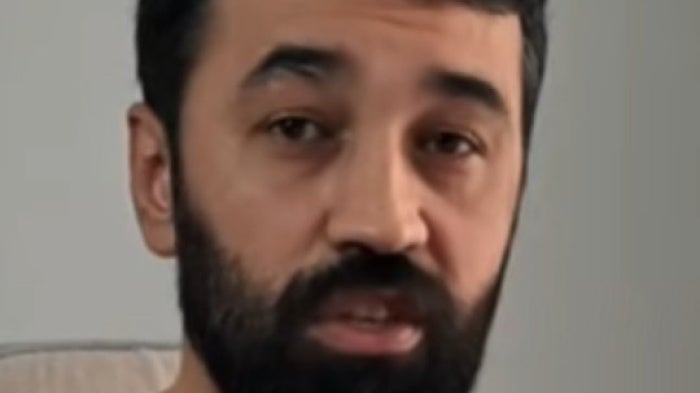
Case Details:
Turkish authorities detained Sakhatov in April 2025 on vague "national security" grounds, transferred him to a deportation center, and assigned him a restriction code. In May 2025, disregarding credible evidence that Sakhatov would face arbitrary detention and torture if returned to Turkmenistan, Türkiye denied him international protection.
Although a Turkish court upheld his deportation order in June 2025, Türkiye’s Constitutional Court issued a ruling in July 2025 temporarily suspending his deportation pending an assessment of the risks Sakhatov would face if deported to Turkmenistan. The ruling also warned that deporting Sakhatov without proper review could cause him irrevocable harm. On July 24, 2025, contrary to usual procedures, the deportation center in Edirne issued documents for his release.
The same day, Sakhatov vanished under highly suspicious circumstances. Turkish police subsequently stated that Sakhatov was not in their custody and that there is no record of his exit from the country. No official information about his whereabouts has been issued by either the Turkish or Turkmen governments. The restriction code was lifted in November 2025. In the same month, Türkiye reaffirmed the rejection of his international protection claim. According to a December 2025 decree by the Edirne Prosecutor’s Office, Sakhatov has been listed as a “missing person” in Türkiye’s police system.
An investigation into Sakhatov’s disappearance has not led to any meaningful outcomes —raising grave concerns that he may have been subject to incommunicado detention, ill-treatment, or enforced disappearance. According to some unconfirmed reports, Sakhatov may have been secretly returned to Turkmenistan. Human Rights Watch could not independently verify these claims.
For more information about Sakhatov, visit the Turkmenistan Helsinki Foundation for Human Rights website.
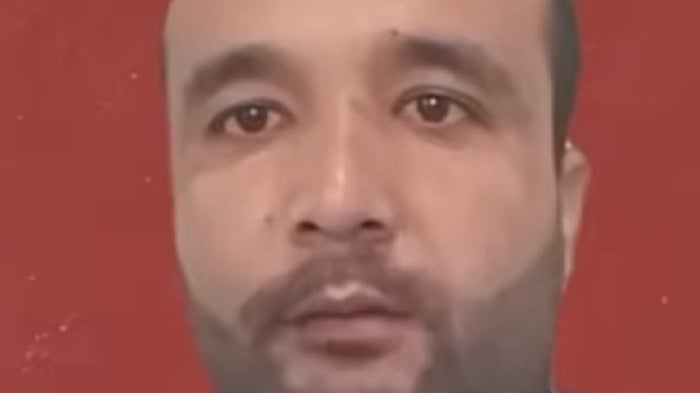
Case Details:
In April 2025, Turkish migration authorities detained Orusov in the city of Sinop after summoning him for a routine check-in. Following his detention, Turkish authorities claimed he was a "threat to public order and public security," transferred him to a deportation center, and assigned him a restriction code. They subsequently cancelled his international protection applicant status that was valid through July 2025, citing violations of residence requirements, and claimed that he posed a threat to public order. While in deportation detention, Orusov submitted a new application for international protection, which Turkish authorities denied in May 2025.
A Turkish court upheld the deportation order in June 2025, despite credible evidence that deportation would expose Orusov to persecution, arbitrary detention, and torture in Turkmenistan. On July 14, 2025, Türkiye’s Constitutional Court temporarily suspended his deportation, pending a risk assessment, noting that removal without proper investigation into potential risks against him could cause irrevocable harm.
Despite this legal stay, Orusov vanished under highly suspicious circumstances on July 24, 2025. He has not been seen or heard from since. His last known contact with friends in Türkiye was on June 12, 2025. Orusov has also been officially listed as a "missing person" in Turkey’s national police system.
There has been no meaningful outcome from the prosecutor’s investigation initiated upon Orusov’s lawyer’s complaint about his disappearance. Neither the Turkish nor Turkmen authorities have provided any official information on his current whereabouts.
There are grave concerns that Orusov may be in danger of serious harm in Türkiye or could have been secretly returned to Turkmenistan in violation of the Constitutional Court's order. Unconfirmed reports suggest that he may have been secretly transferred back to Turkmenistan. Human Rights Watch was unable to verify these claims.
For more information about Orusov, visit the Turkmenistan Helsinki Foundation for Human Rights website.
Activists at Risk of Deportation to Turkmenistan

Case Details:
In late 2024, Turkish authorities arbitrarily canceled Bekchanova’s residence permit, a decision she discovered only by chance in early 2025 and which was reportedly made at the behest of Turkmen authorities. Turkish migration authorities subsequently rejected her application for international protection; this decision was upheld by a court and is now under appeal.
Turkish police detained Bekchanova on May 29, 2025, in Istanbul. A deportation order issued the following day stated that Bekchanova is a threat to Türkiye’s public order and public security and that she had been involved in “provocative” actions. Her legal team in Türkiye challenged these claims as unsubstantiated. A court dismissed her challenge to the deportation decision. However, Türkiye’s Constitutional Court suspended execution of her deportation to Turkmenistan pending an assessment of the risk she would face upon return.
Bekchanova was released on May 31, 2026, after a year in detention. While the Constitutional Court’s suspension remains in effect and Bekchanova’s appeal against the rejection of international protection is still pending, Turkish authorities require Bekchanova to wear an electronic monitoring tag, restricting her movement to Istanbul, and to report weekly to police. Bekchanova remains at risk of deportation, should the suspension be lifted and her appeal be unsuccessful. If returned to Turkmenistan, she would likely face arbitrary detention, unfair trial, torture, and incommunicado detention in retaliation for her peaceful activism.
The Turkmen government’s campaign of transnational repression has also extended to Bekchanova’s family in Turkmenistan. Authorities detained and allegedly tortured her older son in 2020 after he shared information about long bread lines with her, reportedly using electric shocks during his 15-day detention. In 2024, her younger son was sentenced to three years in prison on what she claims were fabricated robbery charges, in apparent retaliation for her work.
Key Recommendations
To the Government of Turkmenistan:
- Immediately and unconditionally release all individuals imprisoned for their peaceful expression, quash any fabricated convictions and end efforts to silence Turkmen government critics for exercising their freedom of expression abroad.
- Lift all arbitrary travel bans and cease harassment, surveillance, and retaliation against activists and their family members.
- Provide effective consular support to Turkmen nationals within their jurisdiction, including the timely issuance and renewal of identity and other essential documents without undue barriers.
To Türkiye, Russia, and Other Countries Hosting Turkmen Nationals:
- Uphold the principle of non-refoulement and halt all forced returns and/or deportations of Turkmen activists at risk of persecution, arbitrary detention, torture, or other serious human rights violations. Ensure that any extradition and related requests from Turkmenistan’s authorities are carefully assessed with due regard to political motivation and the risk of ill-treatment and torture, unfair trial, or other forms of persecution.
- Ensure that Turkmen diaspora members are not penalized and/or left without legal status due to Turkmenistan’s denial of consular services abroad, including in relation to requesting or renewing residency permits (outside of the asylum procedure), and obtaining civil status documents, such as birth certificates, and take proactive measures to address gaps in documentation, including through temporary or alternative identification mechanisms.
- Turkish authorities should ensure that the ongoing investigation into the 2025 disappearances of Alisher Sakhatov and Abdulla Orusov is prompt, thorough, transparent, and effective and leads to accountability for those responsible.
- Türkiye must also protect asylum seekers from arbitrary detention based on vague national security claims, and ensure that the use of restriction codes are subject to clear legal safeguards, do not automatically lead to the cancellation of residence or protection status, denial of applications, or deportation, and are applied only on the basis of concrete evidence with full due process guarantees.
- Türkiye must also protect asylum seekers from arbitrary detention based on vague national security claims, and ensure that the use of restriction codes are subject to clear legal safeguards, do not automatically lead to the cancellation of residence or protection status, denial of applications, or deportation, and are applied only on the basis of concrete evidence with full due process guarantees.
To Turkmenistan’s International partners:
- Condition deepening of bilateral relations with Turkmenistan on concrete and measurable human rights improvements, including releasing activists and critics from prison and ending government harassment of their families.
- Insist that Turkmenistan’s authorities provide proper effective consular support to Turkmen nationals within their jurisdiction, including the timely and streamlined issuance and renewal of identity and other essential documents.
- Support independent media, civil society, and human rights defenders inside Turkmenistan and in exile, including through technical and financial assistance.
More Reading
November 11, 2024
“It’s Like I Live in a Cage”
Turkmen Authorities’ Denial of Passports to Turkmen Citizens in Türkiye

June 3, 2025
Türkiye: Free Turkmen Activist; Halt Deportation
Risk of Detention, Torture in Turkmenistan