

• Oct 10, 2011
    Press release
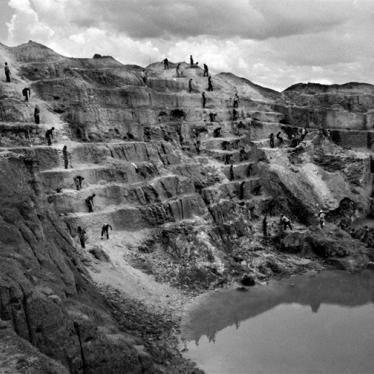
    Governments around the world should intensify efforts to bring to justice those responsible for grave abuses documented in the United Nations’ October 2010 “mapping report,” Human Rights Watch said today. One year after the UN Office of the High Commissioner for Human Rights published the report, there has been insufficient follow-up by governments in Africa’s Great Lakes region and by the UN itself.
  • Jun 7, 2011
    Oral statement
    Human Rights Watch welcomes the outcome of the UPR of Rwanda, in particular its recommendations on freedom of expression, legal reforms and the independence of the judiciary. However, Human Rights Watch remains seriously concerned that freedom of expression is not respected in practice.
  • May 31, 2011
    Press release
    Rwanda’s community-based gacaca courts have helped communities confront the country’s 1994 genocide but have failed to provide credible decisions and justice in a number of cases, Human Rights Watch said in a report released today. As the gacaca courts wind down their work, Rwanda should set up specialized units in the national court system to review alleged miscarriages of justice.
  • May 2, 2011
    Q & A
    On Wednesday, May 4, 2011, judges in a local court in Stuttgart, Germany, will start hearing evidence against two Rwandan rebel leaders, Ignace Murwanashyaka and Straton Musoni, for war crimes and crimes against humanity carried out thousands of kilometers away, in the Democratic Republic of the Congo (DRC).
  • May 2, 2011
    Press release
    On May 4, 2011, judges in Stuttgart, Germany, will begin hearing evidence against Ignace Murwanashyaka and Straton Musoni, respectively president and vice president of the Democratic Forces for the Liberation of Rwanda (Forces Démocratiques de Libération du Rwanda, FDLR).
  • Oct 11, 2010
    Press release
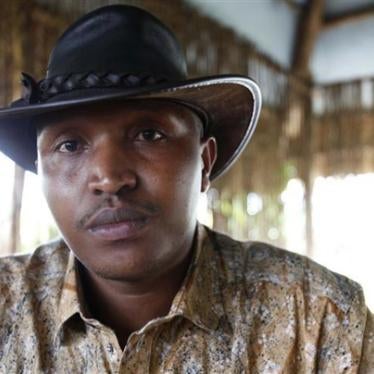
    The arrest in France of a Rwandan rebel leader for serious crimes in the Democratic Republic of Congo sends a strong signal that the International Criminal Court is at work investigating crimes in the Kivus and will pursue abusive commanders.
  • Oct 1, 2010
    Q & A
    In these Questions and Answers, Human Rights Watch explains the background and significance of the UN mapping report, its main findings, options for justice, government responses to the report, and Human Rights Watch’s recommendations.
  • Oct 1, 2010
    Backgrounder Briefing
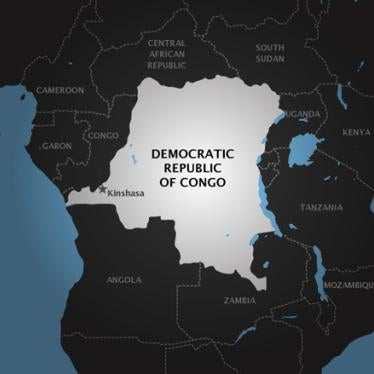
    On October 1, 2010, the United Nations’ Office of the High Commissioner for Human Rights released a report documenting grave human rights violations that occurred between 1993 and 2003 in the Democratic Republic of the Congo. If followed up by strong action nationally and internationally, the report could make a critical contribution to ending impunity and breaking the cycle of violence in Congo and the wider Great Lakes region.
  • Jan 15, 2010
    Press release
    The important judicial decisions of the International Criminal Tribunal for Rwanda (ICTR) have enriched the law on genocide, war crimes, and crimes against humanity. Human Rights Watch today released a comprehensive digest with the judgments of the tribunal presented by topic.
  • Sep 3, 2009
    Commentary
    As a newly minted investigator at the International Criminal Tribunal in Rwanda in 1995, I was not sure how people in Kigali, Rwanda's capital, would respond when I told them my line of work. In casual conversations at local restaurants I was surprised by how often I was asked if the tribunal planned to investigate crimes committed by the Rwandan Patriotic Front (RPF).