


United Kingdom
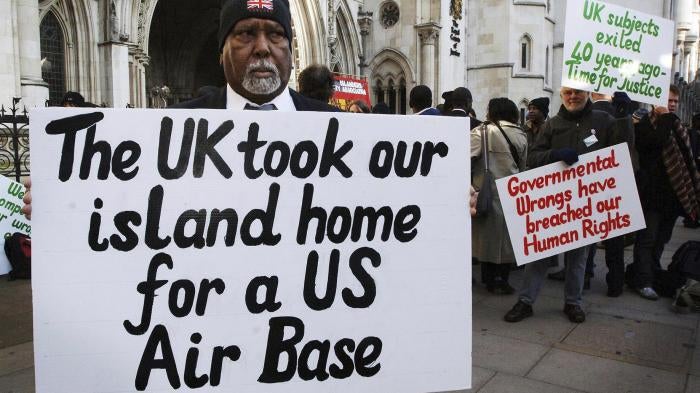
In July 2024, a new UK government was elected, following more than a decade of backsliding on human rights and undermining of the international rules-based order by the outgoing government. The incoming government inherited a host of human rights challenges. The cost of living and inadequate social protections threaten the rights of people on low incomes, including to food and housing. Laws criminalizing protest undermine democratic rights. The new government withdrew the offshore UK-Rwanda asylum plan and resumed processing claims domestically; however, legislation violating refugee rights remain. Restoring the UK’s international standing and ability to promote human rights globally requires improvement to its domestic rights record and action to address its violation of rights in colonial contexts, including against the Chagossian people.
Videos
Videos-
-
September 14, 2023
“I Felt So Stuck”
Inadequate Housing and Social Support for Families Seeking Asylum in the United Kingdom

-
April 17, 2023
UK: “Hostile” Compensation Scheme Fails ‘Windrush’ Victims
Independence, Legal Aid, Appeals Rights Needed to Provide Effective Remedy

-
February 15, 2023
“That’s When the Nightmare Started”
UK and US Forced Displacement of the Chagossians and Ongoing Colonial Crimes

News
-
September 8, 2026
UK, France, Canada Ban Trade With Israel’s Illegal Settlements
Other States, Institutions Should Follow Suit
-
July 24, 2026
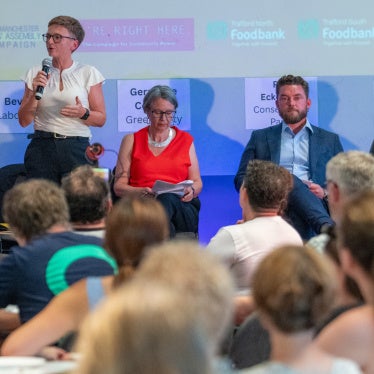
Joint Letter to Greater Manchester Mayoral Candidates on the United Arab Emirates and Human Rights Concerns
-
June 19, 2026
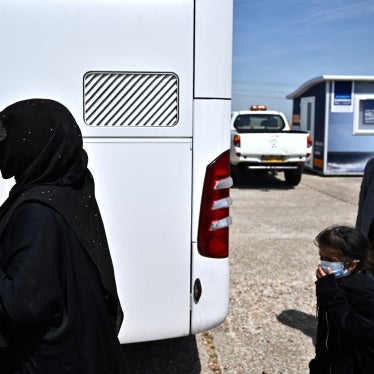
The UK’s Discriminatory AI Experiment on Child Refugees
Apparent World-First Experiment Risks Harming Vulnerable Children
-
June 18, 2026
UK: Home Office Should Halt AI Experiment on Children Seeking Asylum
Rights Groups Unite Against Unproven Facial Age Estimation Technology
-
June 15, 2026
UK Court Upholds ‘Terrorism’ Ban on Palestine Action
Britain among Several Countries Backsliding on Protest Rights

-
June 10, 2026
Human Rights Watch submission to the CERD Committee
Follow Up Procedure on its Concluding Observations on the United Kingdom
-
June 5, 2026
Is Europe Failing on Free Speech?
-
June 3, 2026
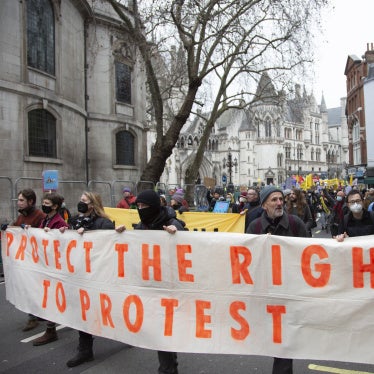
New UK Law Includes Stifling New Protest Measures
New police powers risk disproportionate and arbitrary restrictions

-
May 13, 2026
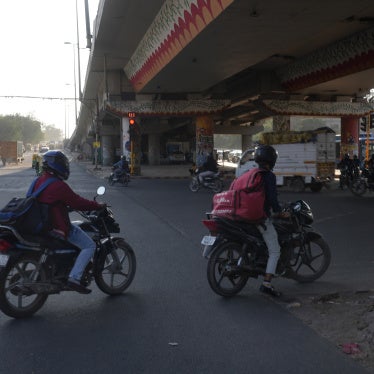
ILO Labor Treaty Should Protect All Gig Workers
Negotiating Governments Should Ensure Fair Pay, Safe Conditions, Social Security
-