



August 27, 2024
Politically Targeted, Economically Isolated
How Kazakhstan’s Financing Terrorism List Compounds Human Rights Harms

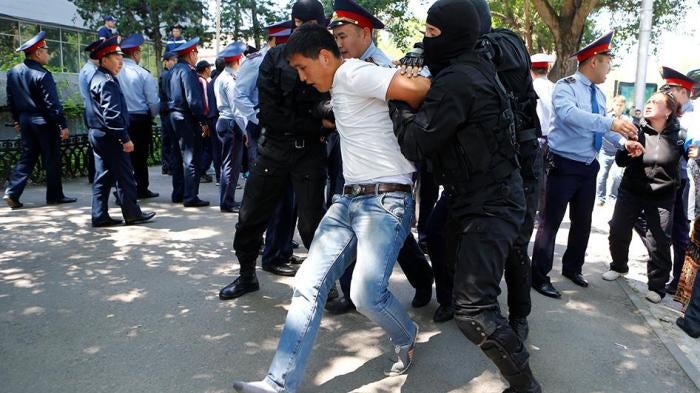
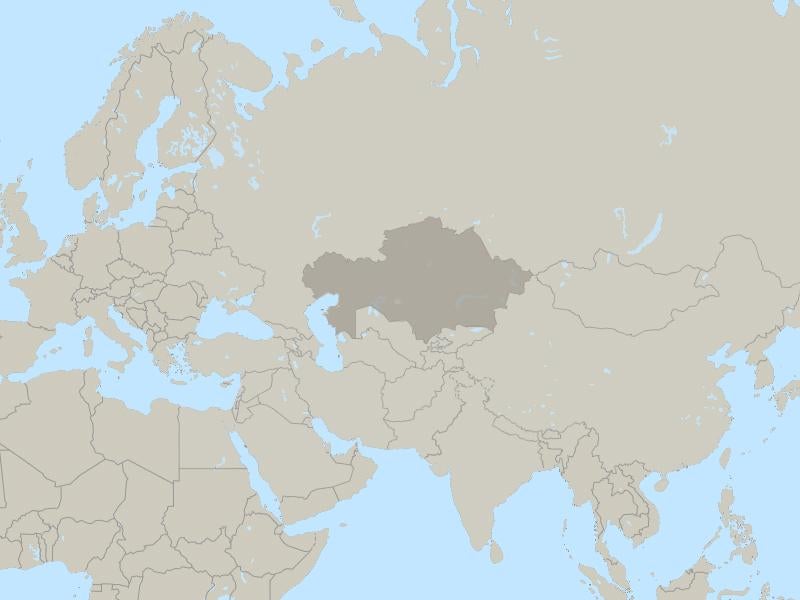
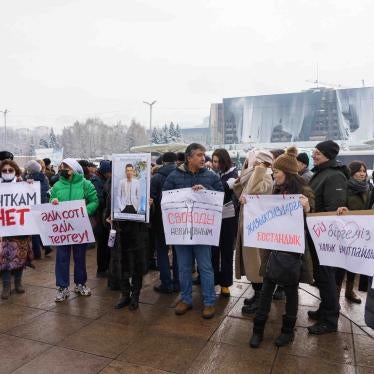
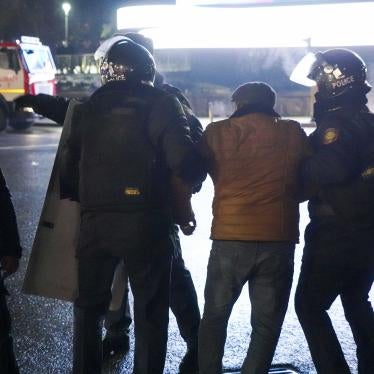
Large-scale anti-government protests rocked Kazakhstan in January 2022, setting off a cascade of human rights violations by the authorities, including excessive use of force against protesters, arbitrary arrest and detention, and ill-treatment and torture of detainees. Political reforms promised by Kazakhstan’s President Kasym-Jomart Tokaev in recent years have not led to meaningful improvements in the country’s poor human rights record. Free speech and the right to peaceful protest are suppressed. Kazakh authorities have used politically motivated prosecutions to silence government critics, including on the vague and overbroad charge of “inciting discord,” and banned political opposition groups as “extremist.” Independent trade unions face harassment and interference. Impunity for torture and ill-treatment persists. Kazakhstan has ratified the Convention on the Rights of Persons with Disabilities, but children with disabilities are largely denied a quality, inclusive education.
How Kazakhstan’s Financing Terrorism List Compounds Human Rights Harms
Expand Social Protection; Reform ‘Targeted Social Assistance’ Program
Set Independent Investigation with International Experts
End Abuses, Interference with Lawyers; Investigate Torture Allegations
Release War Critic, Ensure Due Process, Uphold Freedom of Religion
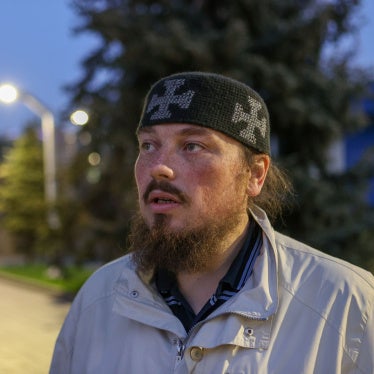
LGBT Advocates Face Increasing Climate of Retaliation, Discrimination

Convictions Serve Beijing’s Transnational Repression
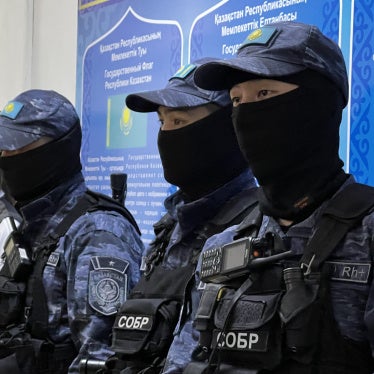
End Harassment of Human Rights Defenders

Intimidation, Arrests Chill Public Debate
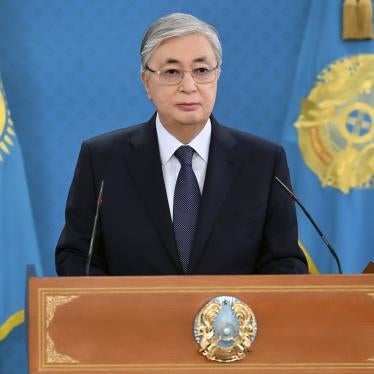
Unprecedented Mass Prosecution of Xinjiang Protesters
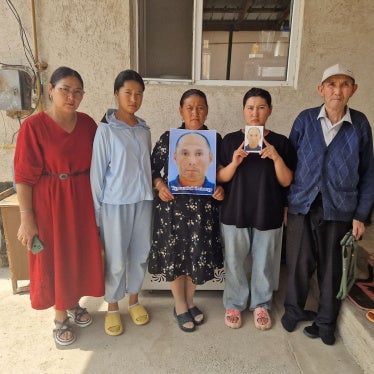
Vague Provisions Put Freedom of Expression at Risk

End Attacks on Journalism, Withdraw Bill Curbing Freedom of Expression

Parliamentary Vote on Draft Amendments Imminent

Human Rights Should be Key to Economic, Security Ties