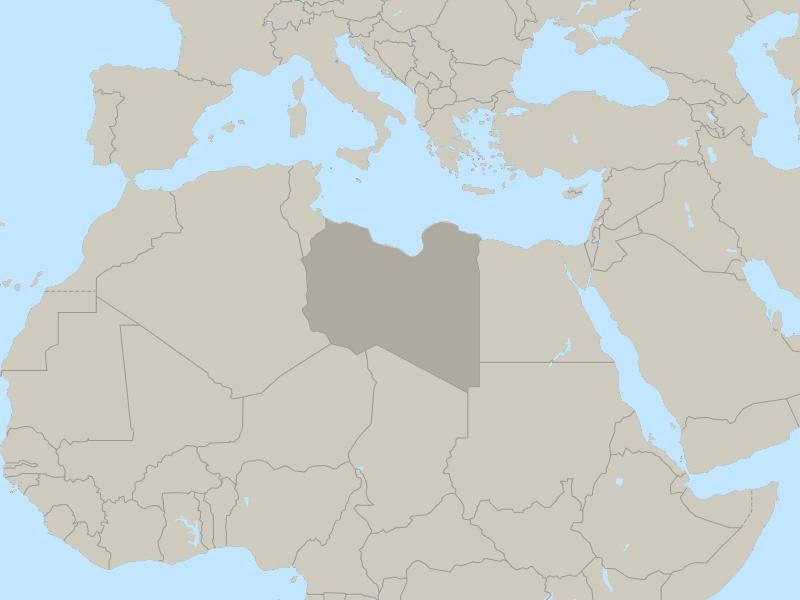
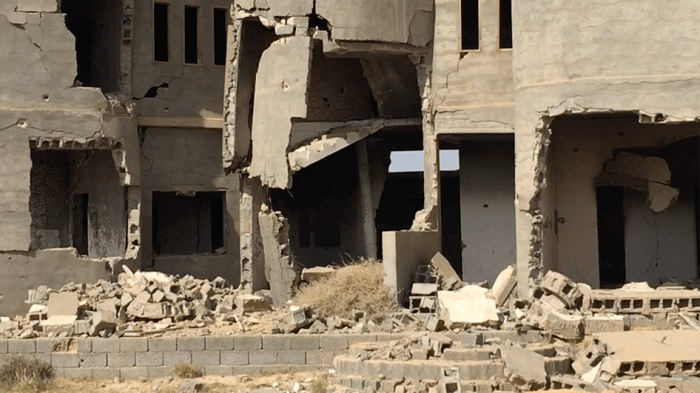
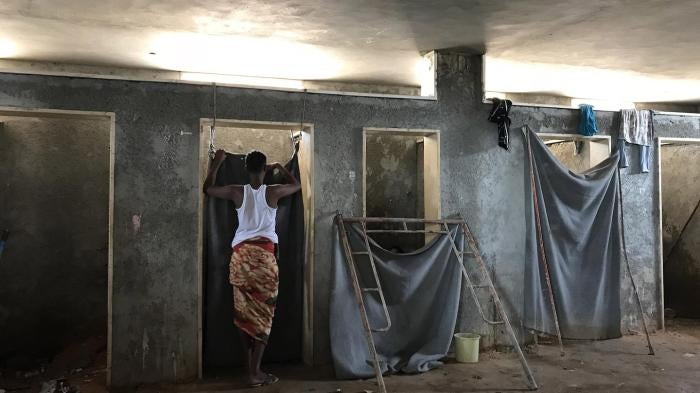
• After more than 40 years of dictatorship under Muammar Gaddafi, Libya held elections in July. However, a weak interim government failed to disband an array of armed groups that had emerged around the country. Nor was it able to end arbitrary detention and the torture of detainees, or address the forced displacement of groups perceived to be pro-Gaddafi. Libyans suffer from ongoing violence, including tribal clashes and deadly attacks on foreign diplomatic missions and international organizations. Kidnappings for financial and political reasons persist along with targeted killings of former Gaddafi security officers. Sufi religious sites have been destroyed. Migrants from sub-Saharan Africa face arrests, beatings, and forced labor.
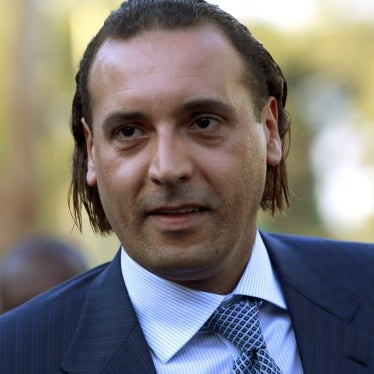
  • Saif al-Islam Gaddafi is seen sitting in a plane in Zintan.

    On February 26, 2011, the United Nations Security Council adopted resolution 1970 by a vote of 15-0 referring the situation in Libya to the ICC. Under the Rome Statute, the ICC's founding treaty, the Security Council may refer a situation in any country to the ICC prosecutor under its Chapter VII mandate if it determines that the situation threatens international peace and security.

Featured Content

Reports

Libya

  • May 13, 2013

    On February 26, 2011, the United Nations Security Council adopted resolution 1970 by a vote of 15-0 referring the situation in Libya to the ICC. Under the Rome Statute, the ICC's founding treaty, the Security Council may refer a situation in any country to the ICC prosecutor under its Chapter VII mandate if it determines that the situation threatens international peace and security.

  • May 4, 2013
    ibya’s General National Congress (GNC) should vote down the latest draft of a new law to bar Gaddafi-era officials from holding public office. The proposed law’s provisions and procedures for exclusion are too sweeping and vague, Human Rights Watch said. Further, a recent amendment to the provisional constitution would prohibit judicial review of the law. A vote is expected in congress on May 5, 2013.
  • Apr 17, 2013
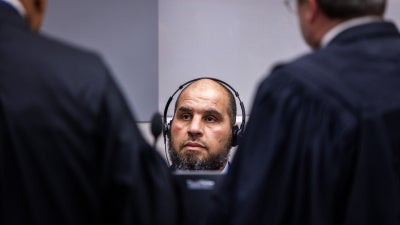
    Abdallah Sanussi, the long-time intelligence chief for Muammar Gaddafi, told Human Rights Watch in a prison visit on April 15, 2013, that he has not had access to a lawyer or been informed of the formal charges against him during almost eight months in Libyan detention. He did not complain of physical abuse and said his conditions in custody have been “reasonable.”
  • Apr 12, 2013
    Libyan authorities should immediately drop criminal defamation charges and free Amara Hassan al-Khatabi, editor of al-Ummah daily. Al-Khatabi, who has been in detention since December 19, 2012, is on trial for “insulting” and “slandering” members of the judiciary. His private lawyer was not allowed to visit him while he was detained in prison and says he was transferred to a medical facility due to his fragile health on April 6, 2013, where he remains detained under guard.
  • Mar 30, 2013
    Libya should ensure that two Libyans with ties to the previous government of Muammar Gaddafi who were extradited from Egypt on March 26, 2013, are treated humanely and granted their full due process rights. Libya should grant humanitarian and human rights organizations access to them to monitor their detention conditions and treatment and respect for their basic rights as detainees – including giving them access to a lawyer and promptly taking them before a judge.
  • Mar 25, 2013
    All civilians deserve protection, but some civilians deserve more protection than others. Or so it seems in Libya today.
  • Mar 20, 2013
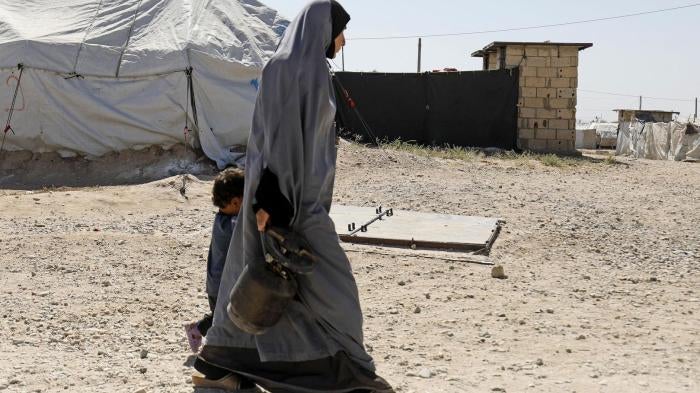
    The Libyan government should take urgent steps to stop serious and ongoing human rights violations against inhabitants of the town of Tawergha, who are widely viewed as having supported Muammar Gaddafi. The forced displacement of roughly 40,000 people, arbitrary detentions, torture, and killings are widespread, systematic, and sufficiently organized to be crimes against humanity and should be condemned by the United Nations Security Council.
  • Feb 12, 2013
    The international ministerial meeting in Paris on security in Libya on February 12, 2013, should include building a strong justice system as an integral part of its discussions. The Paris meeting, hosted by the French foreign minister, Laurent Fabius, will bring together senior Libyan officials and foreign ministers from the US, UK, Italy, Denmark, Turkey, the UAE, and Qatar, as well as representatives of the UN and EU.
  • Feb 6, 2013
    Libya is still plagued by serious rights abuses, including arbitrary arrests, torture, and deaths in detention nearly a year-and-a-half after the overthrow of Muammar Gaddafi, Human Rights Watch said today at a news conference for its World Report 2013.
  • Feb 5, 2013
    The United States government should promptly carry out the recommendations of a United Nations committee of experts to improve protection of children abroad from armed conflict, Human Rights Watch said today. The UN Committee on the Rights of the Child released a report and recommendations to the US government on February 5, 2013.