

Historic Step Toward Justice in the Philippines with Duterte ICC Arrest
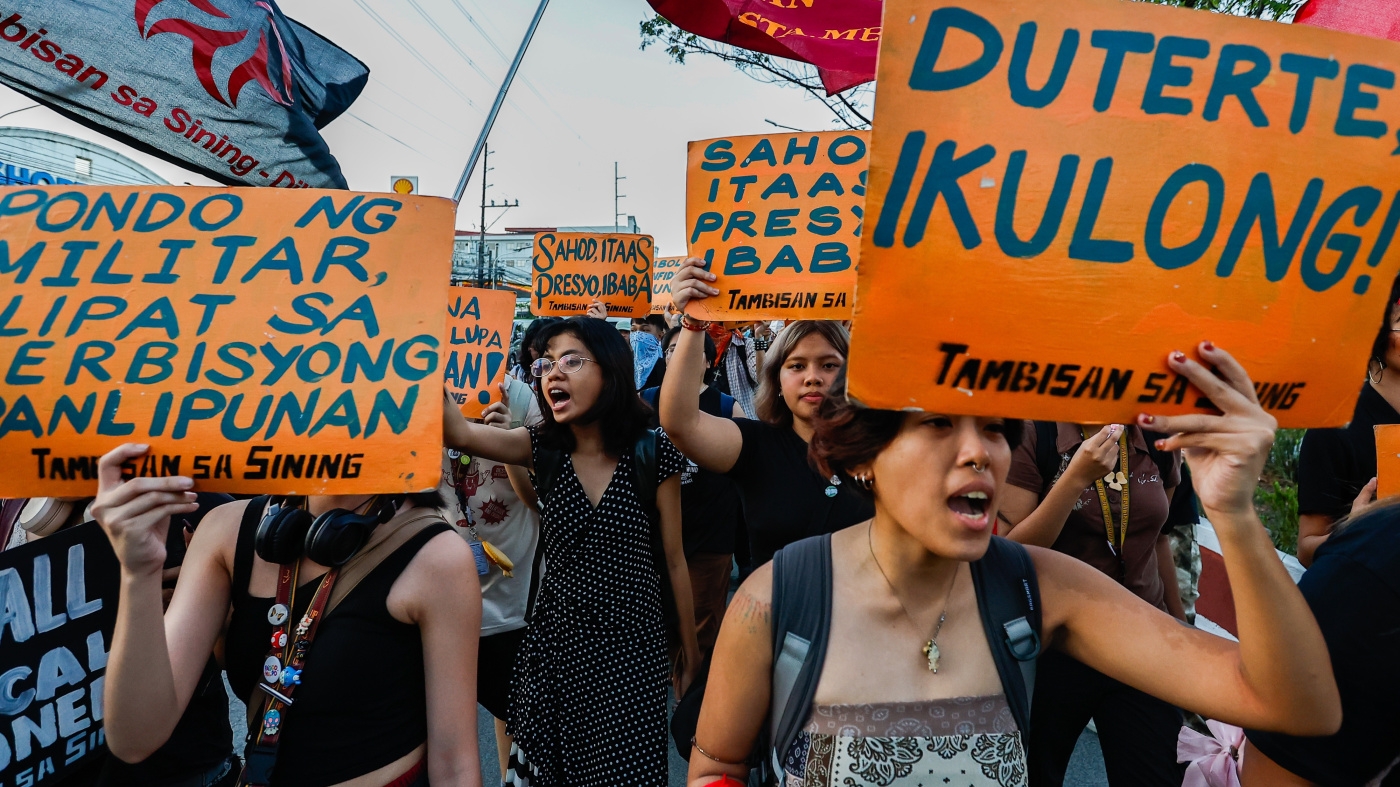
Thousands of Filipinos were killed in former President Rodrigo Duterte's abusive “drug war.” His arrest and transfer to the International Criminal Court to face charges of crimes against humanity is a historic step toward justice, sending a message to human rights abusers everywhere that one day they too could be held to account.
“Gen Z” Support Human Rights in Youth-Led Protests
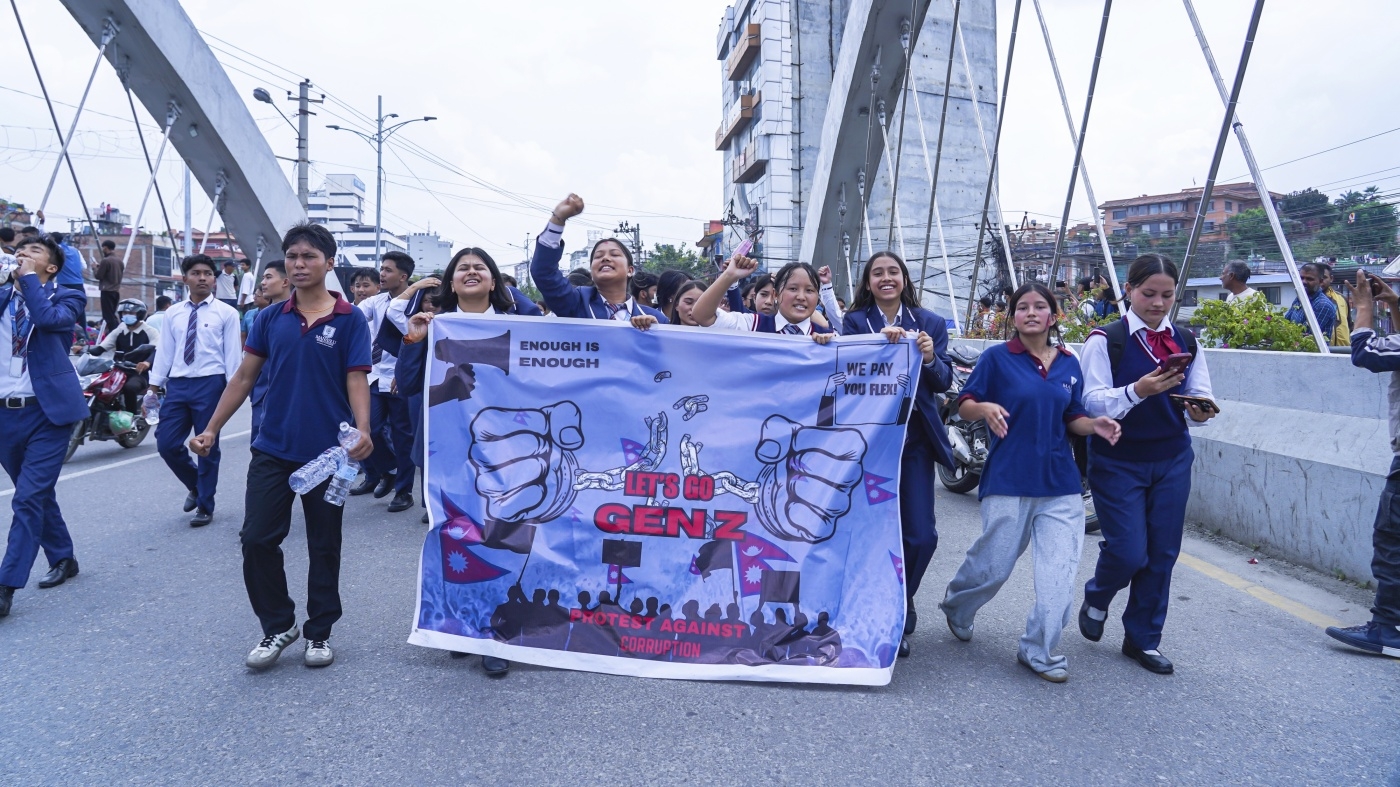
Youth-led protests spread around the world in 2025, with “Gen Z” protesters demanding reforms to protect rights. In both Morocco and Nepal, these protests were met with repression and violence. Governments should respect the right to peaceful protest, and authorities should investigate police use of excessive force.
Saint Lucia Decriminalizes Same-Sex Conduct
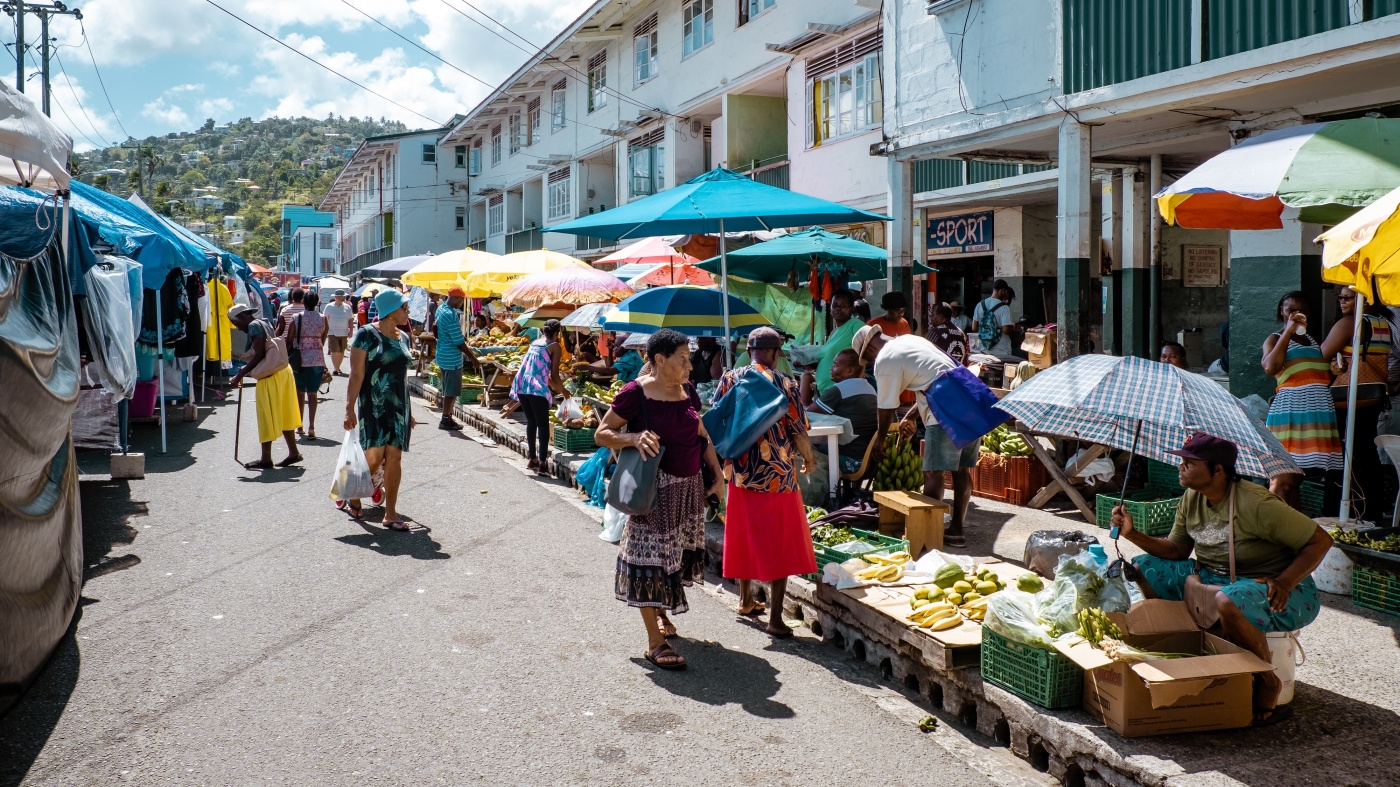
In a landmark victory for human rights, the Saint Lucia high court struck down laws that criminalized intimacy between same-sex partners in July. The ruling is a powerful reminder that upholding human rights for LGBT people strengthens democracy and justice for all.
Exposing Abuses and Seeking an End to Atrocities in Gaza
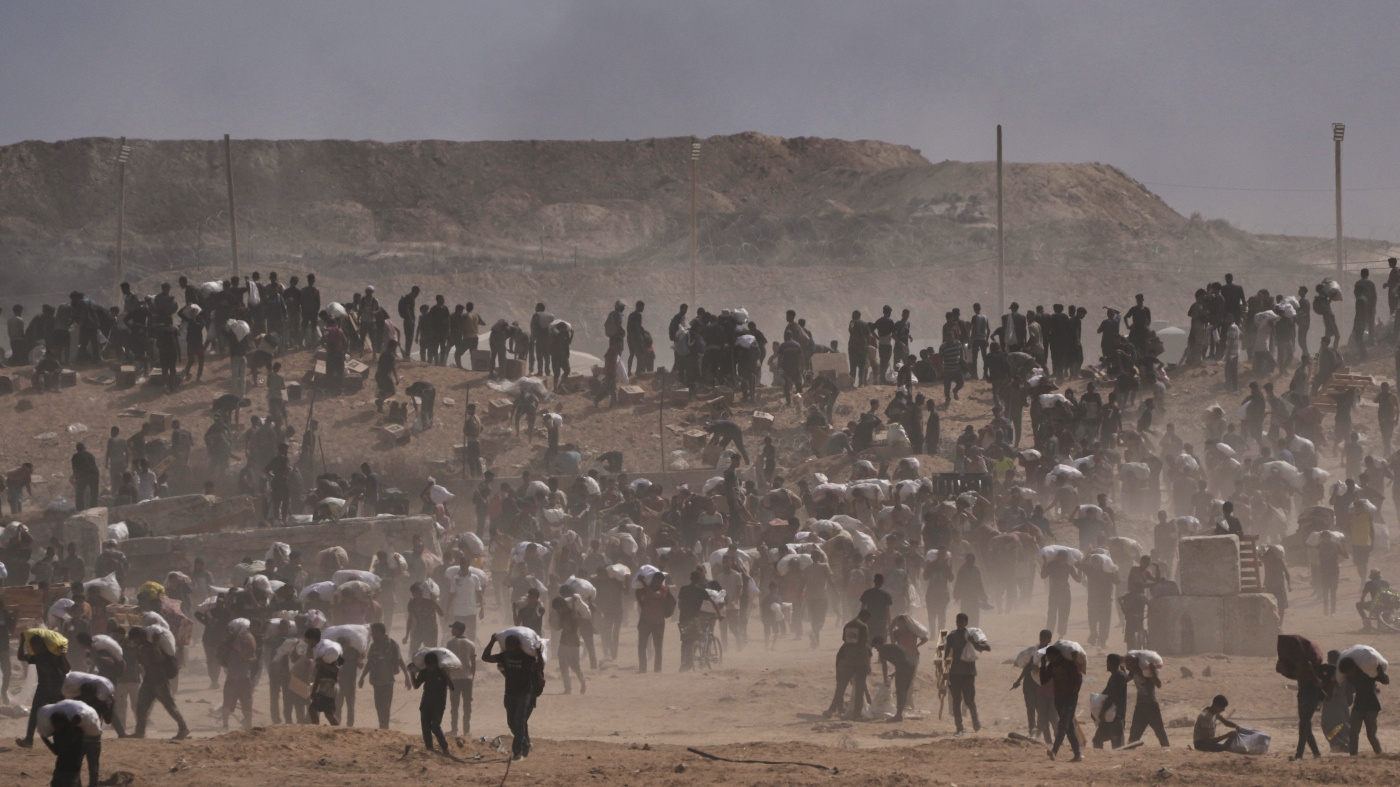
In August, Human Rights Watch criticized the US-backed Gaza Humanitarian Foundation (GHF) aid distribution system and found that Israeli forces routinely opened fire on Palestinians seeking food, killing hundreds, in acts that amount to war crimes. Following our report and our bringing a former US army officer to brief congressional offices about abuses he witnessed, 92 members of Congress called for an investigation and moved to cut funding to GHF. GHF’s Gaza operations were later suspended.
Western Australia Announces Reparations for the “Stolen Generations”
In May, the Western Australia state government announced a new reparations program for Indigenous people who were forcibly removed from their families as children under racist policies. The reparations program, which follows decades of activism by First Nations peoples, is a crucial and long overdue step to providing justice.
Global Treaty to Protect Gig Workers Underway
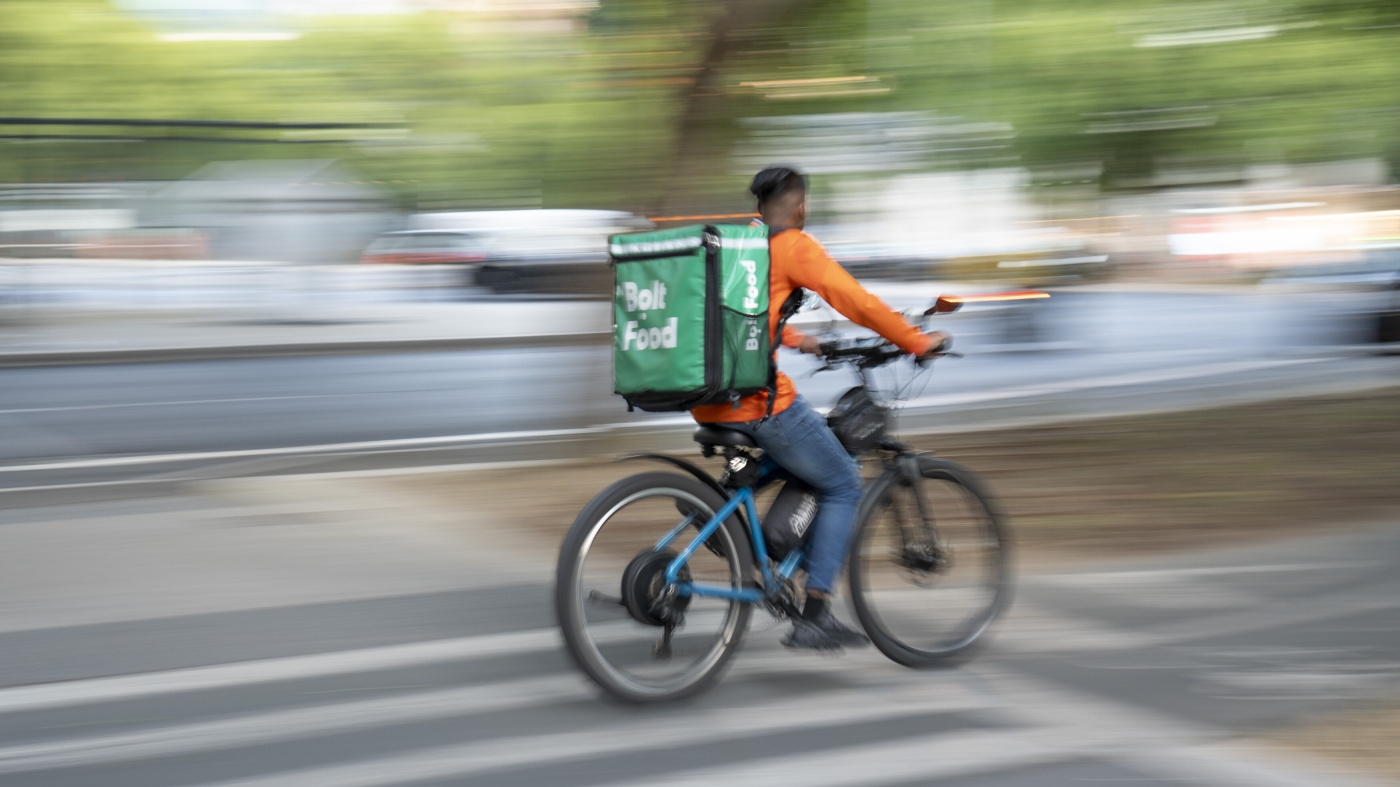
In June, governments agreed to develop the first binding international standards on platform work, creating a milestone in the global campaign for gig workers’ rights. UN treaty negotiations in 2026 should ensure that workers are protected in their pay and working conditions, and can challenge the algorithms that manage them.
Escazú Agreement Moves Forward in Brazil
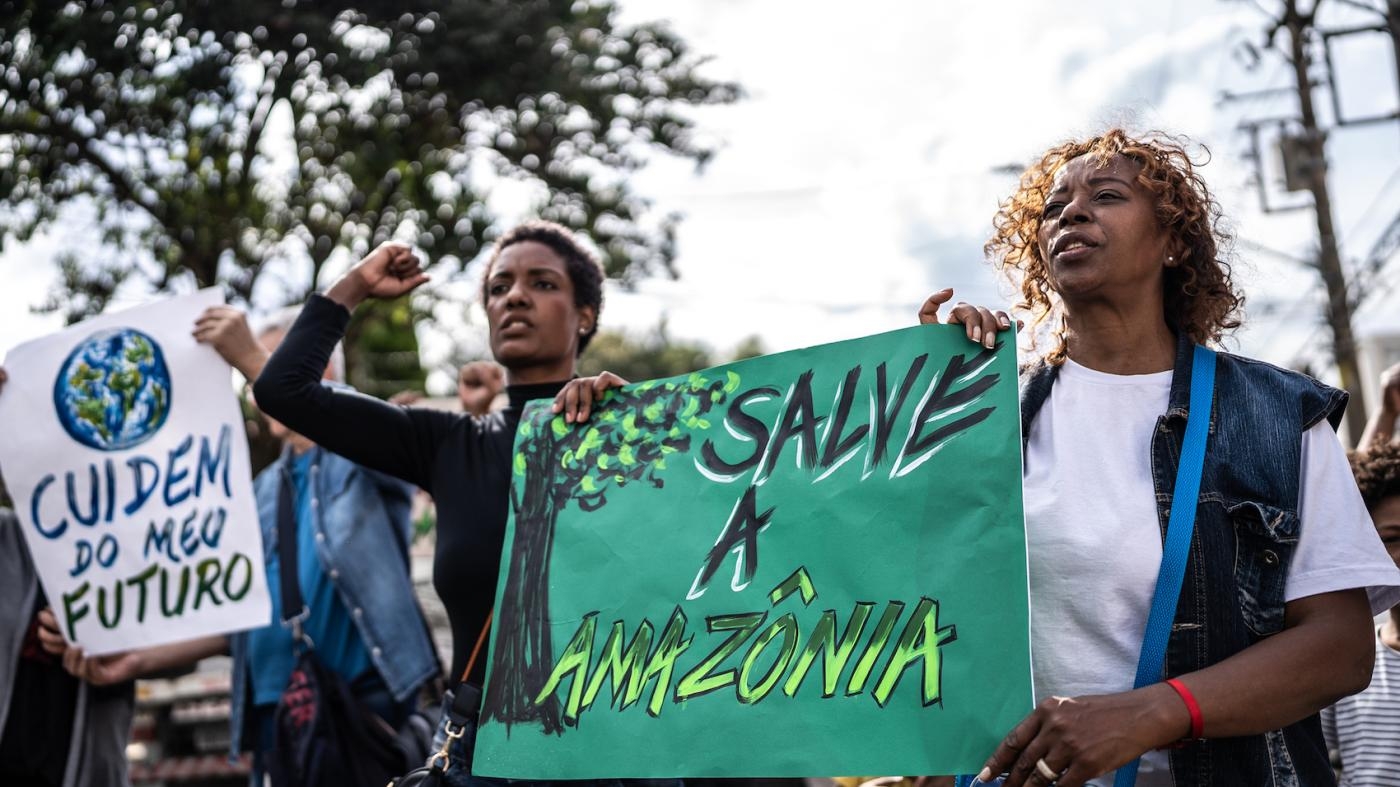
In November, Brazil’s chamber of deputies approved the Escazú Agreement, a landmark treaty for Latin American and Caribbean nations that advances the right to a healthy environment. Brazil’s senate should approve the agreement without delay.