
Impact
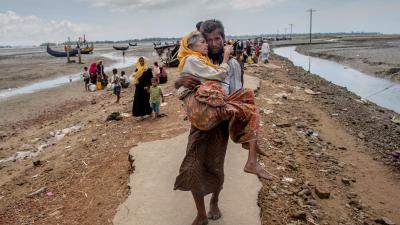
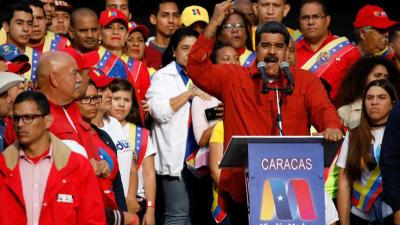
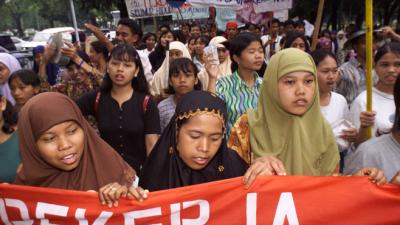
By investigating and exposing human rights abuses, we work to create a world where everyone is treated fairly and equitably, no matter their race, religion, or beliefs. We call for action so that people who disagree with their government can speak their opinions freely, so that children are protected, and refugees cared for. All of us, regardless of who we are, who we love, or the color of our skin, should be able to enjoy fully our human rights.
BROWSE ALL IMPACT ›
Change is sometimes immediate, sometimes incremental. We work on issues for years and know from experience how to transform deep-rooted problems. Here are examples of some of the recent impact we have made, together with our partners, in advancing human rights around the world.
How do we bring about change?
Investigate
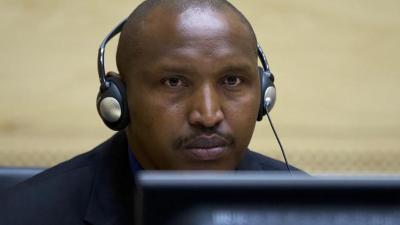
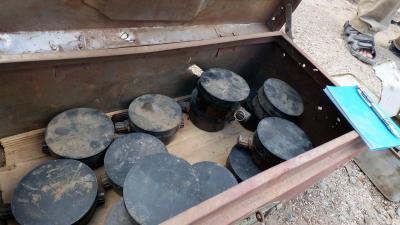
Our researchers investigate human rights abuses, first by speaking with victims or witnesses. We corroborate their stories using a variety of sources, including government records, weapons’ fragments, satellite imagery, and the statements of accused perpetrators – be they members of governments, armed groups, or companies. We often do this work together with partner activists.
Expose
We share this information widely, in multiple languages, to help shape public debate. Our reports, videos, and social media posts show up hundreds of times daily in news media around the world, bringing both global and local attention to our rigorously fact-checked findings.
Change
Often in coalition with local groups, we bring our findings to officials who have the power to change things. For every issue we work on, we make specific, concrete policy recommendations that will bring people justice, prevent future abuses, and protect human rights.
Our work has been instrumental in some foundational victories for human rights, including our work on banning landmines worldwide, for which we and our partners received the 1997 Nobel Peace Prize. Below are some examples of our historic impact.
All impact
-
-

-
August 27, 2025
Brazil One Step Away from Protecting Children Online
Senior Researcher and Advocate, Children's Rights Division
-
June 25, 2025
New Global Coalition Urges Rights-Based Climate Relocation Policies
Researcher, Environment and Human Rights
-

-
May 8, 2025
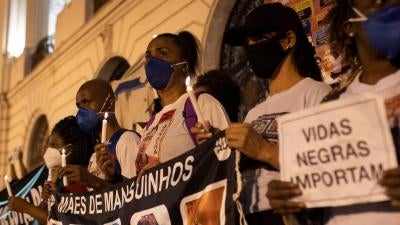
A Glimmer of Hope in Police Killings Cases in Brazil
Brazil Researcher, Americas Division
-
February 25, 2025
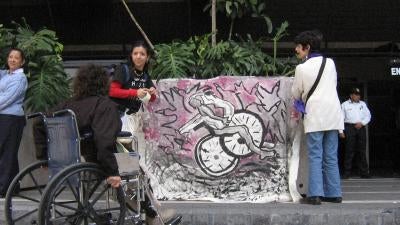
Wins for People with Disabilities in Mexico, Costa Rica
Associate, Media Department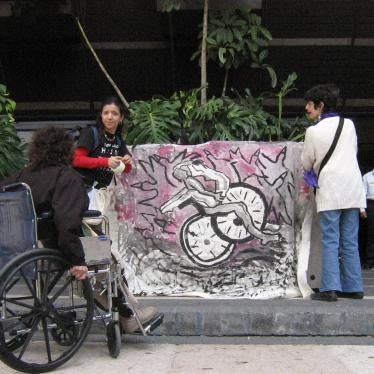
-
January 21, 2025
US Health Agency Calls for Intersex Informed Consent
Associate Director, Lesbian, Gay, Bisexual, and Transgender Rights Program
-
January 16, 2025
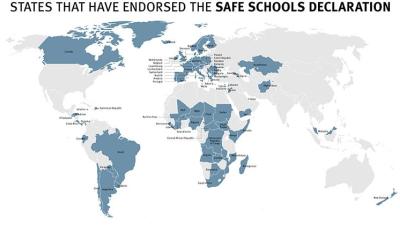
US Commits to Protecting Education during Conflict
Executive Director, Children’s Rights Division
-
January 8, 2025
Jimmy Carter’s Post-Presidential Human Rights Legacy
Advocacy Director, Children's Rights Division