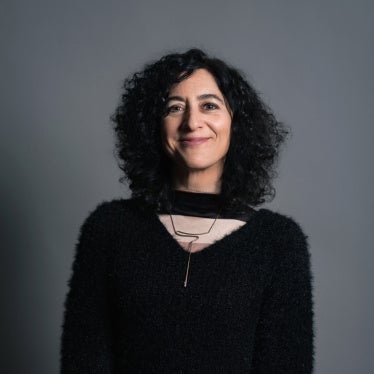
Monique Mujawamariya, a prominent Rwandan human rights activist, delivered an abridged version of this tribute, in French, at the memorial service in honor of Alison Des Forges in New York on May 21, 2009.
Rwanda has a long way to go. Despite the facade of occasional elections, the government essentially runs a one-party state. And ironically, it is the genocide that has provided the government with a cover for repression.
In January 2008 hopes for peace in eastern Democratic Republic of Congo soared when the government and 22 armed groups signed a ceasefire agreement in Goma, capital of North Kivu province. But the fragile peace process is now broken and needs urgently to be fixed.
John Laughland suggests that human rights organisations, including Human Rights Watch, are more concerned about the conviction of former heads of state than about them getting fair trials. Nothing could be further from the truth.
If Condoleezza Rice's testimony this week at her Senate confirmation hearing as secretary of state is an indicator of the Bush administration's plans for Africa, Africans and the human rights community should be worried.
Ten years ago this month, the Rwandan genocide came to an end. For months, the world had stood by and done nothing, while Rwandan leaders organized the murder of more than half a million people. It was a rebel group, not the United Nations or any international force, which finally defeated the genocidal government.
During the 1990s, the international community took unprecedented steps to limit the impunity all too often associated with mass slaughter, forced dislocation of ethnic groups, torture, and rape as a weapon of war.
On the continent of Africa, which President Bush is crisscrossing for the first time this week, the U.S. isn't taking the lead. On his trip, President Bush has a chance to decide if the U.S. will play more than a supporting role.
In her reflections on justice and reconciliation after the Rwandan genocide ("The Legacies of Collective Violence," April/May 2002) Helena Cobban asks how best to restore health to a society smashed by devastating violence. Her prescription—substituting therapy for justice—ventures into dangerous moral territory.
Monique Mujawamariya, a prominent Rwandan human rights activist, delivered an abridged version of this tribute, in French, at the memorial service in honor of Alison Des Forges in New York on May 21, 2009.
Rwanda has a long way to go. Despite the facade of occasional elections, the government essentially runs a one-party state. And ironically, it is the genocide that has provided the government with a cover for repression.
A tribute by Monique Mujawamariya, a survivor of the Rwandan genocide, to Alison Des Forges who helped save her life.
In January 2008 hopes for peace in eastern Democratic Republic of Congo soared when the government and 22 armed groups signed a ceasefire agreement in Goma, capital of North Kivu province. But the fragile peace process is now broken and needs urgently to be fixed.
John Laughland suggests that human rights organisations, including Human Rights Watch, are more concerned about the conviction of former heads of state than about them getting fair trials. Nothing could be further from the truth.
If Condoleezza Rice's testimony this week at her Senate confirmation hearing as secretary of state is an indicator of the Bush administration's plans for Africa, Africans and the human rights community should be worried.
Ten years ago this month, the Rwandan genocide came to an end. For months, the world had stood by and done nothing, while Rwandan leaders organized the murder of more than half a million people. It was a rebel group, not the United Nations or any international force, which finally defeated the genocidal government.
During the 1990s, the international community took unprecedented steps to limit the impunity all too often associated with mass slaughter, forced dislocation of ethnic groups, torture, and rape as a weapon of war.
On the continent of Africa, which President Bush is crisscrossing for the first time this week, the U.S. isn't taking the lead. On his trip, President Bush has a chance to decide if the U.S. will play more than a supporting role.
In her reflections on justice and reconciliation after the Rwandan genocide ("The Legacies of Collective Violence," April/May 2002) Helena Cobban asks how best to restore health to a society smashed by devastating violence. Her prescription—substituting therapy for justice—ventures into dangerous moral territory.